
Top Extreme Sports to Experience in Brazil for Adventure Seekers
Brazil is blessed with extraordinary geography: over 8.5 million square kilometers filled with mountains, waterfalls, dunes, beaches, caves, forests, and mighty rivers. This natural diversity makes Brazil one of the most complete destinations in the world for those seeking adrenaline and intense contact with nature. It’s no wonder that, over the past decades, extreme sports have gained a loyal and growing audience here.
If you’ve ever felt the urge to break out of the routine and try something heart-pounding, know that you don’t need to go far. From the South to the North of the country, there are established destinations and activities for every type of adventurer — from the curious beginner to the experienced athlete. The best part: many of these places combine sports, scenery, and culture in a single experience.
In this article, you’ll learn about the main extreme sports practiced in Brazil, where to find them, what to expect from each activity, and some essential tips before diving headfirst into this adventure.
Free Flying: Paragliding and Hang Gliding in the Heights
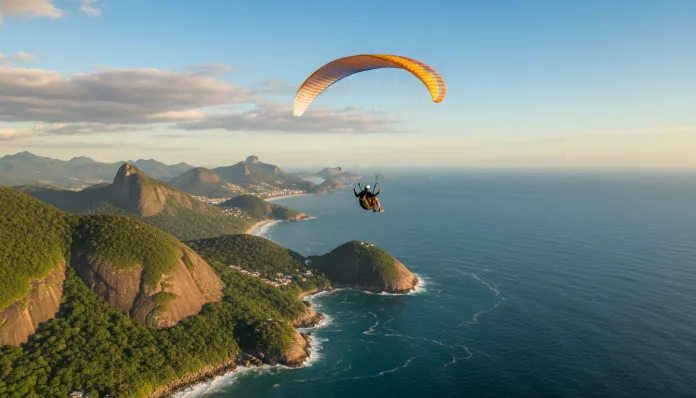
Brazil is internationally recognized as one of the best countries in the world for free flying, which includes paragliding and hang gliding. The tropical climate, with abundant thermal winds and clear skies for much of the year, creates ideal conditions for takeoff.
Where to practice
- Governador Valadares (MG): Known as the world capital of free flying, the city attracts practitioners from dozens of countries. Pico da Ibituruna is the main flight site, with launches at about 1,100 meters altitude.
- São Conrado (RJ): The Pedra Bonita hill in the Tijuca National Park is one of the most iconic flight spots in the country, with São Conrado Beach as the landing area.
- Nova Petrópolis (RS): Ideal for those in the South Region seeking views of valleys and araucaria trees during the flight.
For beginners, tandem flights (also called biplace) are the safest way to try the sport: you fly with a qualified pilot, with no prior training needed.
Rappelling and Climbing: Gravity at Your Favor
Sport climbing and rappelling are sports that test physical strength, balance, and mental control. Rappelling involves descending vertical surfaces — such as cliffs, waterfalls, and rock walls — using ropes and specific equipment. Climbing is the reverse movement: ascending these same surfaces with technique and safety.
Featured Destinations
- Serra do Cipó (MG): One of the largest climbing hubs in the country, with routes for all levels and waterfalls for rappelling.
- Aparados da Serra National Park (RS/SC): The Itaimbezinho Canyon offers trails and rappelling practices in one of the most dramatic settings in southern Brazil.
- Visconde de Mauá (RJ): A region with various cascades and trails that combine hiking and rappelling.
- Bonito (MS): Besides the famous snorkeling, the region offers rappelling in crystal-clear waterfalls within the forest.
Before practicing, ensure that the company or instructor hired is accredited and that the equipment is in good condition. The use of helmets, harnesses, and descenders (descent control devices) is mandatory.
Rafting and Canoeing: The Power of Brazilian Rivers
With one of the largest hydrographic networks on the planet, Brazil offers rivers with rapids of varying difficulty levels — classified in grades from I (calm) to VI (extremely dangerous and rarely navigable). Rafting is practiced in collective inflatable boats, while whitewater canoeing is done in individual vessels.
Main Destinations
- Brotas (SP): Considered the national capital of adventure ecotourism, the city has robust infrastructure for rafting, canoeing, and other water sports on the Jacaré-Pepira River.
- Rio Preto (MG/ES): Offers varied stretches, from beginner to advanced levels.
- Foz do Iguaçu (PR): Besides the famous waterfalls, the region offers rafting options on the Iguaçu River.
- Chapada Diamantina (BA): For those who want to combine trekking with canoe trips in clear rivers.
Group rafting is a great entry point to aquatic extreme sports: it’s fun, relatively safe with a qualified guide, and requires no prior experience.
Sandboarding and Kitesurfing: Adrenaline on the Dunes and Sea
The Brazilian coast and dune regions offer a natural playground for activities that combine wind, sand, and speed.
Sandboarding
Practiced on dunes, sandboarding works similarly to snowboarding — but instead of snow, the board slides on sand. The Lençóis Maranhenses (MA) and the dunes of Natal (RN) are the most sought-after places for the sport, with dunes that can exceed 40 meters in height.
Kitesurfing
Kitesurfing combines a giant kite (the “kite”) with a waterboard, allowing the practitioner to glide over the water at high speed. Brazil has one of the best “wind windows” in the world, especially in the Northeast.
- Cumbuco (CE): One of the world’s most popular destinations for kitesurfing, with constant winds from July to January.
- Jericoacoara (CE): Internationally recognized, this beach village is a world reference point for the sport.
- Atins (MA): A more remote and still little-explored destination at the entrance to the Lençóis Maranhenses.
Kitesurfing requires a training course with a certified instructor before flying solo, as it involves real risks of accidents without proper training.
Cave Tourism and Cave Diving
For those who prefer adventures less exposed to the sun — literally — Brazil hides a fascinating underground world. Cave tourism is the exploration of caves for recreational and educational purposes, and the country has thousands of cataloged grottos.
- Chapada dos Guimarães (MT): Rich in sandstone caves with surprising geological formations.
- Petar — Alto Ribeira Tourist State Park (SP): One of the largest cave complexes in South America, with over 300 cataloged cavities.
- Bonito (MS): Diving in the Anhumas Abyss is a unique experience — you rappel 72 meters to an underground lake and dive in crystal-clear waters surrounded by stalactites.
Caves are fragile ecosystems. Always visit with an authorized guide, respect the signs, and never touch the rock formations.
Trekking and High Mountain Trails
Trekking — hiking on natural trails in challenging terrains — is one of the most democratic forms of adventure. In Brazil, the possibilities are vast, from day hikes to multi-day expeditions in the forest or mountains.
Must-Do Trails
- Pico da Neblina (AM): The highest point in Brazil, at 2,994 meters altitude. The expedition is long, requires special authorization, and high physical conditioning.
- Pico dos Marins and Pico do Papagaio (SP/MG): Accessible to hikers with some experience, with spectacular views.
- Diamantina Crossing (BA): A route of approximately 100 km through the Chapada Diamantina, with landscapes of cerrado, mountains, and waterfalls.
- Gold Trail (RJ/SP): A historic path linking Paraty to the Serra da Bocaina, mixing adventure and colonial history.
If you haven’t yet explored Brazil’s national parks, it’s worth reading about how to explore Brazil’s hidden natural gems before planning your expedition.
Essential Tips Before You Start
Regardless of the chosen activity, some precautions are universal and can make all the difference between an incredible adventure and a regrettable incident.
- Research the company or instructor: Check if they are registered with federations like CBME (Brazilian Confederation of Mountaineering and Climbing) or equivalent bodies for the activity.
- Inform your health status: Some medical conditions contraindicate high-adrenaline activities. Consult a doctor before starting any extreme practice, especially if you have a cardiovascular or orthopedic history.
- Always use protective equipment: Helmets, life jackets, certified ropes, and appropriate harnesses are not optional.
- Respect the environment: Trails, caves, rivers, and dunes are natural heritage. Do not litter, stay on marked trails, and do not disturb local wildlife.
- Inform someone about your route: Before any outing, leave the planned itinerary and return time with someone you trust.
- Consider adventure insurance: Specific plans for extreme activities cover difficult access rescues and emergencies in remote locations.
Conclusion
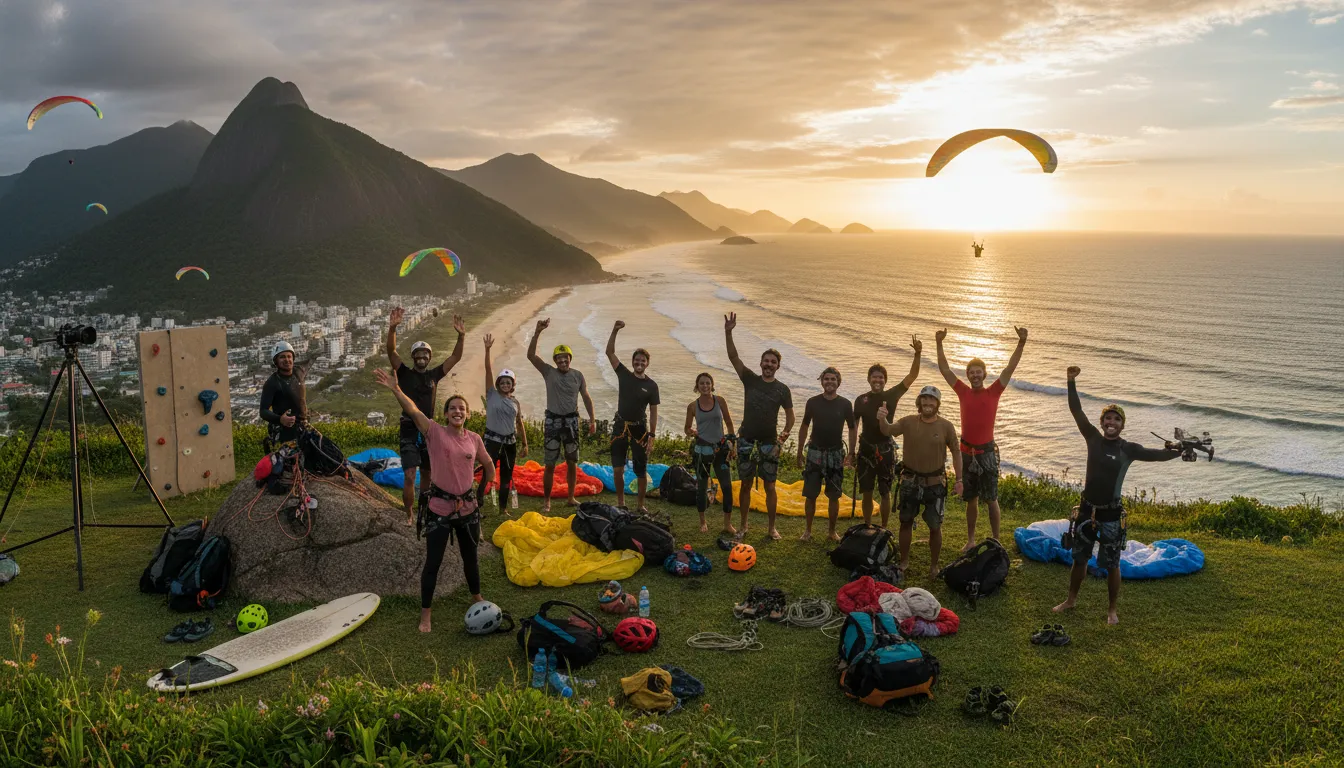
Brazil doesn’t need anything invented to be a top-tier extreme destination — nature has already done that job masterfully. From Governador Valadares to Cumbuco, from the rivers of Brotas to the caves of Petar, the country offers a generous menu of adventures for all profiles and experience levels.
The key to enjoying all this safely and consciously lies in preparation: choosing qualified guides, respecting the limits of your own body and the environment, and approaching each adventure with responsibility as much as enthusiasm. After all, the best adventure is the one you return from to tell the tale — and plan the next one.