
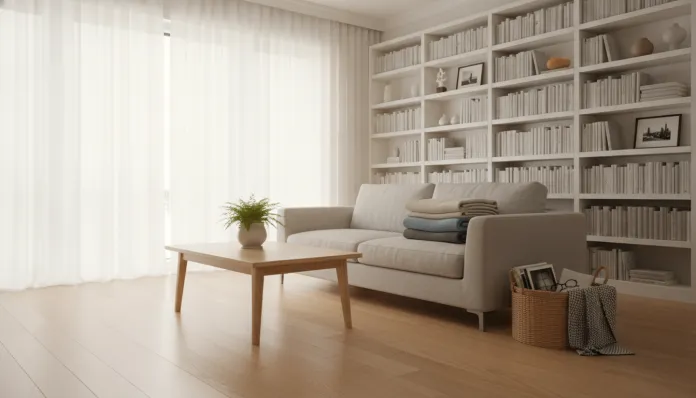
Who hasn’t come home after a long day and felt that invisible weight just by looking at the accumulated mess? The feeling of a disorganized space goes beyond the visual: environmental psychology research has long shown that clutter can increase stress levels and hinder concentration. The good news is that keeping your home tidy doesn’t have to be a monumental weekend project—in fact, the key lies in small daily habits that, combined, make a huge difference.
Most people believe that cleaning and organizing are tasks separate from their routine, reserved for a special moment that, let’s face it, almost never comes. But there is a different approach, adopted by home organization experts worldwide: treating home care as a series of micro-habits, quick and consistent actions that prevent dirt and clutter from accumulating before they take hold.
In this article, you’ll find a practical and straightforward guide to transforming your relationship with household cleaning. From morning routines to tricks for each room, the goal is to show that an organized home doesn’t require perfection—it requires consistency.
Why Small Habits Work Better Than Weekly Cleaning Sessions
The logic behind small daily actions is based on how the human brain forms behaviors. When an action becomes routine, it stops requiring conscious effort and happens almost automatically. This applies perfectly to home organization.
A big weekly cleaning session, although necessary in some aspects, solves the problem temporarily. During the other six days, dirt accumulates, objects move out of place, and the feeling of chaos returns. But when you adopt the habit of, for example, always putting away one item before picking up another, or wiping down the bathroom sink every morning, the environment remains in a state of continuous order—without that concentrated and exhausting effort.
The secret lies in consistency, not intensity. Fifteen minutes a day, every day, easily surpass two concentrated hours on the weekend when it comes to home maintenance.
Establishing a Morning Organization Routine
The morning sets the tone for the rest of the day—and this applies to the home as well. A few simple actions right after waking up create a more pleasant environment and prevent the progressive accumulation of disorder.
- Make the bed as soon as you get up. It may seem small, but a made bed visually transforms the entire bedroom in minutes. Behavioral studies indicate that people who make their beds in the morning tend to keep other areas more organized throughout the day.
- Wash or load breakfast utensils immediately after use. Letting dishes pile up is one of the main sources of a “messy house” feeling.
- Take two minutes to put away items out of place on your way. As you leave the bedroom for the kitchen, grab any object that doesn’t belong on the path and return it to its place.
- Open windows for at least ten minutes. Ventilation is not just a health issue—it reduces humidity, which is a major ally of mold and unpleasant odors.
These four actions together hardly exceed ten minutes, but the visual and psychological impact is immediate.
Room by Room: Specific Habits That Make a Difference
Kitchen
The kitchen is the heart of the home and often the biggest maintenance challenge. Some practices help keep this space functional:
- Rule of “clean as you cook”: while waiting for a pot to boil or something to bake, use that time to wash utensils you won’t use again, clean the stove while it’s still warm (but carefully), or organize the counter.
- Put away groceries and ingredients immediately after use, without letting them accumulate on the counter.
- Once a week, do a quick check of the fridge to discard expired or spoiled food.
- Use organizers inside cabinets—cheap boxes and dividers prevent that avalanche of pot lids every time you open the door.
Bathroom
The bathroom accumulates moisture, product residues, and hair at an impressive speed. Fortunately, it’s also the quickest room to keep in order:
- After a shower, use a squeegee on the shower stall to reduce limescale buildup and prevent mold.
- Keep a cloth or disposable wipe near the sink and quickly wipe down the surface every morning after brushing your teeth.
- Organize hygiene products in baskets or trays—it makes cleaning the shelf easier and prevents a chaotic collection of scattered bottles.
Living Room and Common Areas
- Adopt the rule: no item leaves its place without having somewhere to return. Every object should have a fixed “address” in the house.
- Before bed, do a “five-minute sweep” of the living room: collect glasses, return remote controls to their place, adjust cushions.
- Newspapers, magazines, and loose papers are silent villains. Set up a box or folder for mail and documents, and review weekly.
The Art of Decluttering: Organizing Also Means Letting Go
One of the biggest obstacles to keeping the house organized is not a lack of cleaning but the excess of objects. The more items, the more surfaces to collect dust, the more drawers impossible to close, the more time spent searching for what you need.
The approach of simplifying the home environment has gained enormous global popularity in recent decades, especially from Japanese organization methodologies, like the one developed by Marie Kondo, which proposes keeping only what brings genuine utility or joy.
You don’t need to adhere to any specific methodology to benefit from the basic principle: periodically review your belongings and discard what you don’t use. A good practice is the six-month rule—if you haven’t used an item in the last six months and it doesn’t have a clear seasonal function, it probably won’t be missed.
To organize disposal responsibly:
- Clothes in good condition can be donated to charities or thrift stores.
- Electronics and batteries should be taken to specific collection points—check your city’s municipal website for available locations.
- Furniture and appliances in usable condition can be offered in donation groups on social media.
For more ideas on how to effectively organize every corner of your home, check out the article Organized and Clean Home: Tips That Really Work at Jornal Meia Hora.
Products and Tools: The Basics That Solve Almost Everything
You don’t need a shelf full of specialized products to keep your home clean. In fact, many home cleaning experts recommend a lean and efficient kit:
Product/Tool Purpose Diluted white vinegar General surface cleaning, glass, and odor control Baking soda Deodorizing, sink cleaning, and removing light stains Diluted bleach Disinfecting bathrooms and high-contact areas Microfiber cloth Cleaning without leaving residues on smooth surfaces Rubber squeegee Showers, floors, and windows Soft-bristle broom Daily sweeping without raising much dust The simplicity of the kit ensures that you always have what you need on hand, without wasting time searching for the right product for each situation.
How to Stay Motivated and Involve the Whole Family
Maintaining habits is challenging—especially when the home is shared. Some strategies help distribute responsibilities and keep the environment organized without everything falling on one person:
- Divide tasks by room or day, not by type of task. It’s easier for each person to “be responsible” for a space than to coordinate who cleans what at the same time.
- With children, adapt tasks to their age: children as young as four or five can put away toys, fold simple cloths, and help organize the bookshelf.
- Establish a fixed weekly time for deeper cleaning—a time on Saturday morning, for example—and treat it as a collective commitment.
- Avoid excessive demands. A collaborative environment works better than a constant monitoring atmosphere.
If you’re looking for English references on the topic, the article Effective Home Organization and Cleaning Tips That Truly Work offers complementary perspectives on home organization.
Periodic Deep Cleaning: When and How to Do It
Even with daily habits in place, some tasks require more in-depth periodic attention. A simple calendar helps to remember:
- Monthly: clean inside kitchen and bathroom cabinets, sanitize the fridge, wash rugs and doormats.
- Every three months: wash curtains and blinds, clean fans and air conditioning (especially filters), check drains and traps.
- Every six months: wash blankets and pillows, clean behind large furniture, check the condition of caulking on windows and doors.
- Annually: a general review of the condition of furniture, appliances, and house structures, identifying what needs maintenance or replacement.
Conclusion
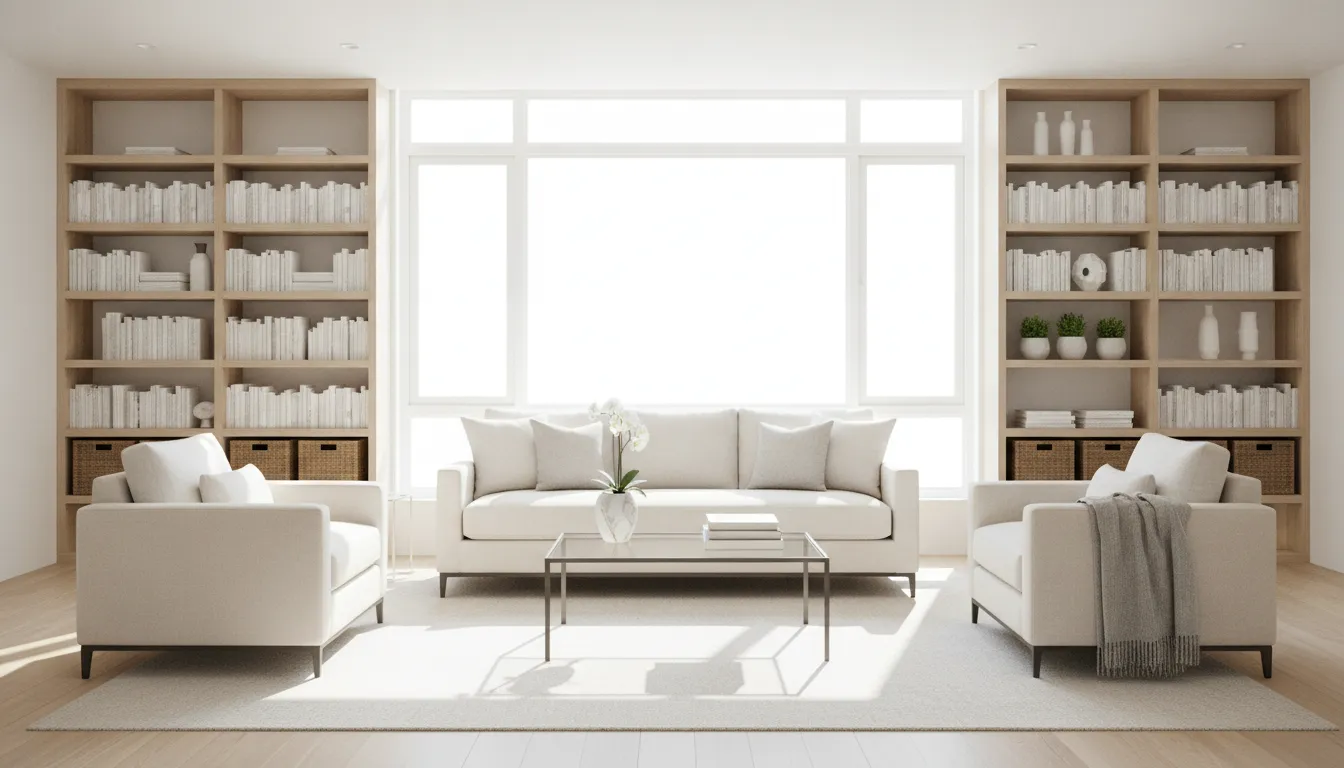
Keeping your home organized and clean in 2026 doesn’t have to mean stress or dedicating entire weekends to exhausting cleaning. As we’ve shown throughout this article, the key is to build a series of small and consistent habits—making the bed in the morning, washing dishes immediately, doing the five-minute nightly sweep—that together create a pleasant and functional environment daily.
Home organization is, at its core, a matter of relationship with your own space. When you start seeing each act of home care as an investment in your well-being, the task stops seeming like an obligation and becomes a natural part of the routine. Start with one habit, incorporate it for a few weeks, and when it becomes natural, add another. The result, over time, is surprising.
Your home doesn’t need to be perfect—it needs to be a place where you feel good.
Mais Lidas
O Jornal Meia Hora é um portal de notícias que oferece informações atualizadas sobre política, economia, esportes, entretenimento e mais. Nosso compromisso é manter nossos leitores informados com notícias precisas e imparciais.
Redação
Trending
Categorias
© Jornal Meia Hora. Todos os direitos reservados.
- Every three months: wash curtains and blinds, clean fans and air conditioning (especially filters), check drains and traps.
- Divide tasks by room or day, not by type of task. It’s easier for each person to “be responsible” for a space than to coordinate who cleans what at the same time.
- Adopt the rule: no item leaves its place without having somewhere to return. Every object should have a fixed “address” in the house.
- Wash or load breakfast utensils immediately after use. Letting dishes pile up is one of the main sources of a “messy house” feeling.