
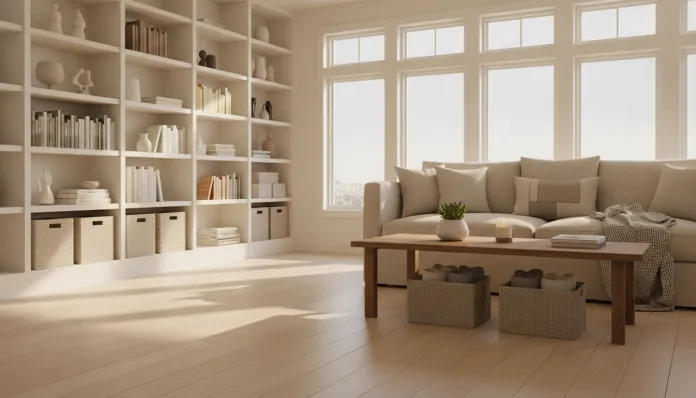
Why Your Home Never Seems Tidy — and What to Do Differently
You tidy up on Saturday morning, spend two hours cleaning, organize the drawers… and by Wednesday, it looks like nothing ever happened. This frustrating cycle is more common than it seems, and it’s not due to a lack of discipline. Most of the time, the problem lies in the method — or the lack thereof.
Keeping your home clean and organized consistently doesn’t require special skills or abundant free time. What truly works is a combination of simple habits, smart systems, and a shift in perspective about what “organizing” means. Instead of viewing cleaning as a monumental task to be done all at once, the key is to spread it out over the days and create routines that fit into your real life.
In this article, we’ve gathered practical, tested tips based on solid principles of home organization — no miracle tricks, no expensive products, and no unrealistic promises. Let’s get straight to the point.
Organize Before Cleaning: Understand the Difference
Many people confuse cleaning with organizing, but they are different processes — and the order matters. Organizing is deciding where everything belongs. Cleaning is removing dirt, dust, and germs. Trying to clean a disorganized space is like sweeping dirt under the rug: you don’t solve the root problem.
Therefore, the first step is always to organize before cleaning. This means:
- Remove everything from the area you plan to clean.
- Sort what stays, what goes, and what moves to another room.
- Return items to their place logically — near where they are used, at accessible heights, without clutter.
- Only then wipe, vacuum, wash.
When organization is in place, cleaning becomes much quicker. A well-organized room can be cleaned in 10 minutes. A messy room can take an hour — and still not be satisfactory.
The Zone Method: Divide to Conquer
One of the most effective strategies for home maintenance is the so-called zone method, popularized by organization consultants worldwide. The idea is simple: divide the house into areas (zones) and focus on a different one each week or each day of the week.
How to Set Up Your Zone Scheme
- Zone 1 — Entryway, living room, and hallway
- Zone 2 — Kitchen and laundry area
- Zone 3 — Bathrooms
- Zone 4 — Bedrooms
- Zone 5 — Outdoor areas (balcony, garage, yard)
With this system, you never leave an area completely unattended for too long. Even if each zone receives only 20 to 30 minutes of attention weekly, over the month, the entire house undergoes a complete review. The result is constant maintenance, without that exhausting weekend cleaning spree.
Daily Routines That Make All the Difference
The secret of homes that always seem tidy isn’t extraordinary cleaning once a week. It’s a set of daily micro-habits that prevent buildup. Here are the most impactful:
- Make the bed early: takes less than two minutes and changes the entire room’s visual tone.
- Wash dishes (or load the dishwasher) before bed: a clean sink in the morning changes the kitchen’s mood.
- “Don’t leave it for later” rule: if something can be done in less than two minutes now, do it now. Hang the coat, put away the scissors, throw the paper in the trash.
- 10-minute nightly sweep: before bed, go through the living room and kitchen, returning each item to its place.
- Clean while cooking: use waiting times (water boiling, oven heating) to wash utensils and clean the counter.
These habits, individually, seem small. Together, they eliminate much of the clutter before it sets in.
Cleaning Products: Less Is More
The cleaning product market is huge, and the temptation to buy a specific product for each surface is real. The truth, however, is that a clean home doesn’t depend on dozens of products — it depends on a few well-chosen and well-used ones.
Basic Kit That Solves Most Problems
| Product | Purpose |
|---|---|
| All-purpose cleaner (neutral or degreasing) | Counters, tables, appliances |
| Disinfectant | Bathrooms, floors, trash cans |
| Glass cleaner | Mirrors, windows, shower doors |
| Baking soda | Odors, stains, surface scrubbing |
| Diluted white vinegar | Limescale removal, deodorizing |
| Microfiber (cloths and mops) | Residue-free cleaning on almost everything |
Baking soda and white vinegar, in particular, are versatile and economical allies. Diluted vinegar (1 to 1 ratio with water) is effective for removing limescale stains on faucets and shower doors — a very common problem in areas with hard water, like many Brazilian cities.
Attention: never mix vinegar with bleach or chlorine-based products. The combination releases irritating vapors and can be dangerous. Use one or the other, never both.
Smart Organization: A Place for Everything
“A place for everything and everything in its place.” The phrase is old, but it remains the most effective principle of home organization. The problem is that many homes have items that don’t have a defined place — and that’s exactly where the mess begins.
How to Define Places That Make Sense
- Group by use, not by type. Pens, scissors, and post-its used in the home office stay there — even if they are “different” types of objects.
- Store near where you use. The phone charger stays near the bed or the outlet you use. The can opener stays near the pantry.
- Avoid excessive stockpiling. Buying in bulk saves money, but only if you have adequate space to store without creating confusion.
- Boxes and organizers are tools, not solutions. Buying pretty boxes without first deciding what will go in them is wasteful. First, decide the system, then buy the support.
- Periodic review. Every three to six months, review drawers and cabinets. Discard what you don’t use, donate what’s in good condition, and reorganize what has changed function.
Deep Cleaning: When and How to Do It
Daily and weekly maintenance takes care of most of the work, but some items need more intense periodic attention. Here’s what shouldn’t be forgotten:
- Monthly: inside the oven, kitchen drawers, air conditioner filters (if applicable), behind large appliances.
- Quarterly: clothing cabinets (to check what you still use), inside the refrigerator with shelf removal, windows from the outside.
- Semi-annually or annually: gutter cleaning (if applicable), mattress sanitization, curtain washing, ceiling cleaning (fans, light fixtures, corners with cobwebs).
A practical tip: note these tasks on a calendar. It doesn’t have to be anything fancy — a paper agenda or a phone reminder will do. Simply recording it greatly increases the chance of execution.
Living with Others: How to Share Without Fighting
One of the biggest challenges of home organization is when the house is shared — whether with a partner, children, or roommates. One person’s mess impacts everyone’s space, and this can lead to conflict.
Some strategies that help:
- Agree on rules, don’t impose. Reaching an agreement on basic rules (dishes washed, trash taken out, shoes at the entrance) is much more effective than complaining later.
- Clearly distribute responsibilities. Task rotation or fixed division by area — any system works, as long as it’s clear to everyone.
- Create individual “controlled chaos” spaces. Each person can have a drawer, shelf, or corner that is just theirs, where mess is tolerated. This relieves pressure on common areas.
- Include children from an early age. Young children can already put toys in colorful boxes and place dirty clothes in the basket. Habits formed early last a lifetime.
Conclusion: Organization Is a Process, Not a State
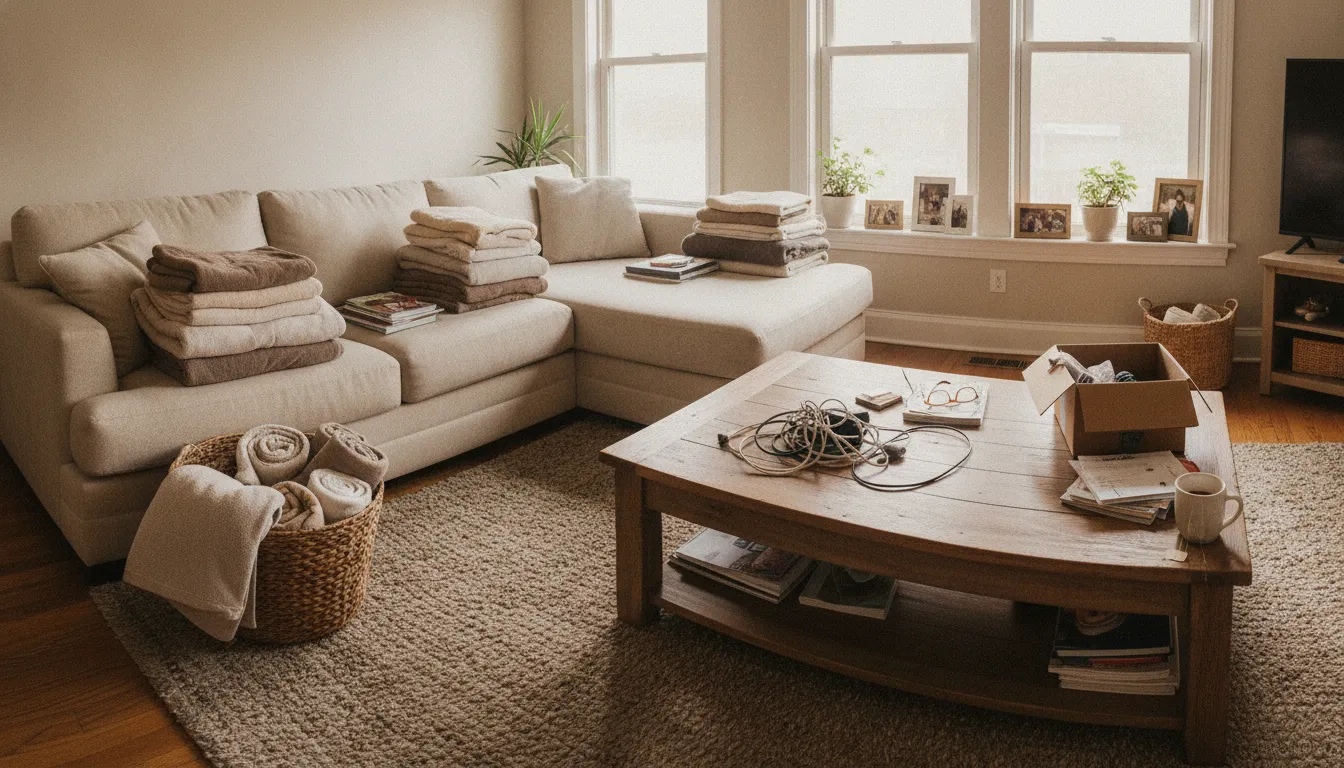
A clean and organized home is not a destination you reach once and for all. It is a continuous process, made of small choices and habits built over time. There is no perfect method that works the same for everyone — what matters is finding a system that fits your routine, your space, and your way of living.
Start with the simplest: choose one new habit this week. It could be making the bed every day, washing the dishes before bed, or dedicating 10 minutes at night to the living room. Once this habit is established, add another. Gradually, the home will reflect this care — and maintaining the result will require much less effort than you imagine.
And remember: organization is not about having a magazine-worthy home. It’s about having a space that works for you and makes you feel more at ease daily. That, indeed, is worth every effort.
Enjoyed practical tips for daily life? Also check out our content on effective workplace communication, which can transform your professional routine just as good habits transform your home.