
Why a Well-Spent Weekend Makes All the Difference
Two days. Forty-eight hours. For many, this is the time available between one workweek and the next — and wasting it scrolling through your phone in bed no longer satisfies anyone. The weekend getaway emerged as a response to this need: to break the routine without long vacations, without spending a fortune, and without being away from daily responsibilities for too long.
The concept gained traction especially among people living in large urban centers. The logic is simple: within a two to four-hour drive or bus ride, it’s almost impossible not to find a destination with waterfalls, trails, historic centers, beaches, mountains, or simply a small town with good food and a more relaxed pace. The key lies, above all, in planning — knowing what to do, how to organize your time, and how to avoid the common mistakes that turn a getaway into stress.
This guide brings together practical tips to help you make the most of a short trip, whether traveling alone, as a couple, with friends, or with family. From choosing the destination to arriving home on Sunday night, every detail counts.
Choosing the Right Destination for Two Days
The first decision — and perhaps the most important — is deciding where to go. The number one criterion for weekends is distance. Tourism experts usually recommend destinations no more than four hours away from your city. When the journey takes more time than this limit in each direction, the accumulated fatigue tends to compromise the rest you sought.
Popular Short-Duration Destinations
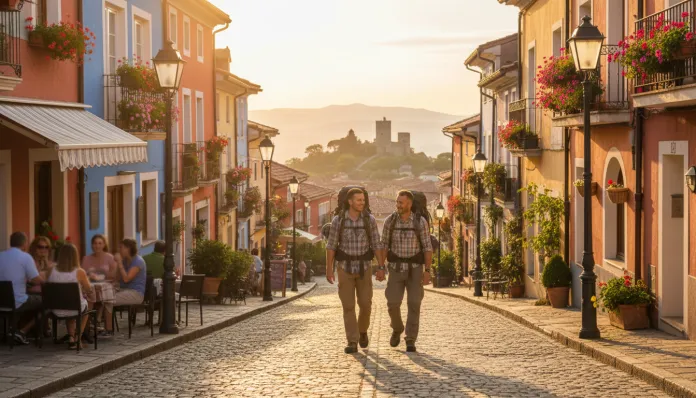
- Historic cities: Ouro Preto (MG), Paraty (RJ), Lençóis (BA), and Tiradentes (MG) are classic examples in Brazil — walkable, culturally rich, and well-structured for weekend visitors.
- Nature destinations: Chapada dos Veadeiros (GO), Bonito (MS), Visconde de Mauá (RJ/MG), and the Serra Gaúcha offer stunning landscapes without requiring many days.
- Nearby beaches: Depending on your base city, beaches like Ilhabela (SP), Morro de São Paulo (BA), or Garopaba (SC) are accessible within a few hours.
- Neighboring cities: Sometimes the best trip is exploring a city less than two hours away that you never properly visited — museums, local cuisine, and charming accommodations can surprise you.
A practical tip is to research the destination at least two weeks in advance. Check for local events during the period (festivals, municipal holidays), as these directly impact movement, prices, and lodging availability.
How to Plan the Itinerary Without Overdoing It
A very common mistake in short trips is trying to do everything. The result is an exhausting itinerary that feels more like a marathon than a rest. The balance lies in choosing two to three main attractions per day and leaving room for spontaneity — after all, spontaneous discoveries often become the best memories.
Sample Weekend Itinerary
- Friday night: Arrival at the destination. Dinner locally to feel the city’s atmosphere. No long tours — save your energy.
- Saturday morning: Main attraction (trail, historic center, waterfall visit). Opening hours are generally more favorable early in the day, with fewer lines and milder temperatures.
- Saturday afternoon: Secondary attraction or free time to walk without a set plan, explore markets, fairs, and local shops.
- Saturday night: Dinner at a local restaurant — preferably with regional cuisine — and rest.
- Sunday morning: Hearty breakfast and one last light attraction (small museum, viewpoint, central square).
- Sunday noon: Lunch and start the return trip, avoiding peak traffic in the late afternoon.
This model avoids excessive fatigue and still leaves room for unforeseen events — which always happen when traveling.
Accommodation: How to Choose Well for Short Stays
For weekend trips, the type of accommodation has a direct impact on the experience. Large hotel chains can be convenient, but family-run inns and small boutique hotels tend to offer a more authentic immersion in the local culture — often at more affordable prices.
What to Consider When Choosing
- Location: Prioritize accommodation in the historic center or near the main attractions. In short weekends, internal commutes waste precious time.
- Breakfast included: It seems like a detail, but it saves time in the morning and helps start the day with energy.
- Recent reviews: Platforms like Booking.com and Google Reviews gather reviews from real guests. Pay special attention to comments on cleanliness, service, and noise.
- Cancellation policy: For weekends, unforeseen events are common. Prefer accommodations with free cancellation up to 24 or 48 hours before check-in.
Another option that has grown significantly in recent years is glamping (camps with comfortable structures) and houses rented through digital platforms, ideal for groups of friends or families who prefer more privacy.
What to Pack for Two Days
Traveling light is one of the great virtues of frequent weekend travelers. A suitcase that’s too large means more time lost at disembarkation, more weight to carry, and a higher risk of forgetting something important.
Essential Weekend Packing List
- Two changes of clothes for the day + one more elegant piece for dinner
- Comfortable walking shoes and a spare pair
- Compact toiletry bag: hygiene items in small packages (less than 100ml facilitate air travel)
- Insect repellent and sunscreen (essential in nature or beach destinations)
- Portable phone charger (power bank)
- Identity document and bank card
- An extra layer of clothing (light fleece or windbreaker) — temperatures change, especially in mountains and historic cities at altitude
- Plastic bag for wet or dirty clothes
Leave at home what you “think you might need.” In two days, the likelihood of using that extra item is very low, and the weight in the bag is very real.
Local Cuisine: Eating Well is Part of the Trip
One of the most genuine pleasures of any trip, even a short one, is trying local food. In a weekend, gastronomy can (and should) be treated as an attraction in itself — not just as a break between tours.
Research the most recommended restaurants in the city before you leave, especially those with typical regional cuisine. In the interior of Minas Gerais, for example, the feijão-tropeiro and chicken with okra are cultural heritage as much as the baroque churches. On the northeastern coast, fresh moqueca and grilled fish tell the story of a people.
Street fairs and municipal markets are excellent options for breakfast or lunch: they tend to be cheaper, lively, and offer an experience closer to the daily life of the locals.
Tips to Avoid Stress During the Trip
Short trips have a silent trap: the pressure to “make the most of it” can turn rest into an obligation. If you feel the need to photograph everything, visit all the map points, and return home with the agenda strictly fulfilled, the trip stops being a break and becomes another task.
Research in the field of well-being psychology consistently indicates that new experiences and moments of contemplation have a positive effect on mood and the feeling of rest — regardless of how many attractions were visited. The simple act of sitting in an unfamiliar square, having a coffee, and watching the movement is, in itself, a legitimate way to travel.
If you want to learn more about how small perspective changes can reduce everyday stress — including during trips — check out this article with simple strategies to reduce daily stress.
Budget: How to Travel Well Spending What’s Necessary
A weekend trip doesn’t have to be expensive. With planning, it’s possible to have a rich experience for quite affordable values. The biggest expenses are usually accommodation and transportation — and both can be optimized.
How to Reduce Main Costs
- Book in advance: Accommodations and bus tickets purchased 10 to 15 days in advance are usually significantly cheaper than those bought last minute.
- Avoid long holiday dates: Prices rise considerably during holiday periods. Common weekends offer better cost-benefit.
- Carpool: If driving with friends, sharing fuel and tolls significantly reduces the cost per person.
- Prioritize local meals: Restaurants aimed at tourists tend to charge more. A bakery or snack bar frequented by locals usually serves food just as good (or better) for less.
- Research free attractions: Most historic cities have churches, squares, viewpoints, and public fairs without entrance fees.
Conclusion: The Art of Traveling in a Short Time
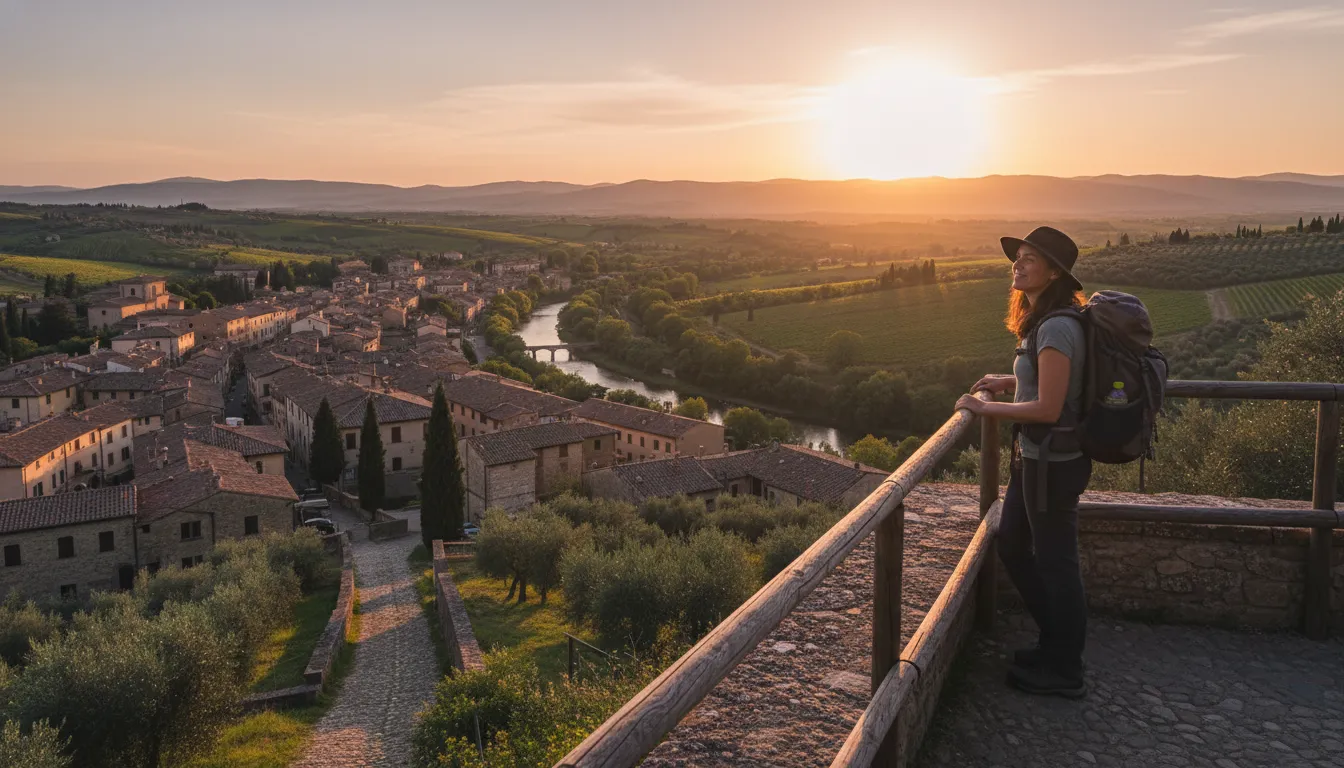
A well-planned weekend trip has the power to renew energy, broaden perspectives, and create memories that last much longer than the two-day duration. You don’t need to go far, spend a lot, or have an elaborate itinerary. The essential thing is to leave the usual environment, slow down the pace, and allow yourself to discover — whether it’s a new city, a different landscape, or simply a more relaxed version of yourself.
The secret of frequent weekend travelers is not in any sophisticated technique: it’s in consistency. Doing this regularly, even once a month or every two months, tangibly transforms the quality of life. Each getaway adds another layer of experience, culture, and rest — and Brazil, with its extraordinary geographical and cultural diversity, rarely disappoints those who decide to explore what’s just a few hours away.
Plan, go, and return. The next destination is waiting.


