
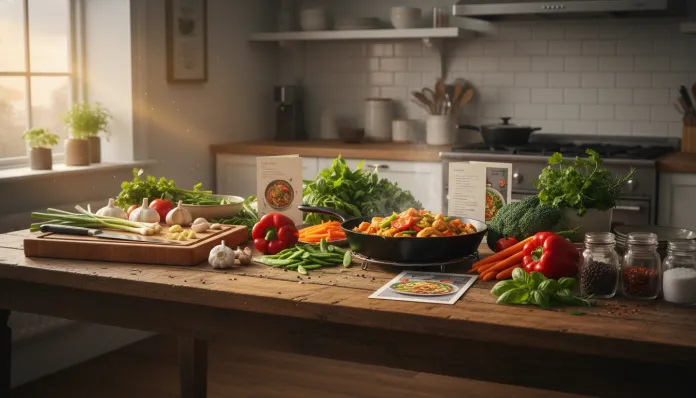
Who hasn’t come home after a long day, hungry, tired, and with no desire to spend hours in the kitchen? This is a reality for many people balancing work, studies, family, and numerous other commitments of modern life. The good news is that cooking well doesn’t have to be complicated — and a simple, nutritious, and delicious menu is more within your reach than you might think.
Quick recipes are not just a convenience: they help reduce food waste, save money on delivery, and maintain a more balanced diet than most ready-made orders offer. With some organizational tricks and a basic repertoire of dishes, anyone — even without culinary experience — can put tasty meals on the table in less than 30 minutes.
In this article, we’ve gathered practical recipes and organizational tips to make the kitchen a less intimidating and more enjoyable place in everyday life. From breakfast to dinner, including options to take in your lunchbox, you’ll find concrete ideas to start today.
Why Investing in Quick Recipes Makes a Difference
Cooking at home, even simply, offers advantages beyond taste. Financially, preparing your own meals usually costs significantly less than ordering food through apps or eating out frequently. Health-wise, you can control the ingredients, reduce sodium, sugar, and ultra-processed foods — which makes a difference in the medium and long term.
> Note: the information in this article is general and educational. People with specific health conditions, dietary restrictions, or particular nutritional needs should consult a nutritionist or doctor for individualized guidance.
Another less obvious benefit is emotional. Well-being studies have linked the act of cooking with a sense of control over one’s routine and even with stress reduction — especially when the experience shifts from being a heavy obligation to a manageable activity.
Organization is Key: The Concept of Mise en Place
Before talking about recipes, we need to talk about organization. In professional restaurant kitchens, there’s an essential concept called mise en place — a French expression that literally means “putting in place.” The idea is simple: before you start cooking, separate, wash, peel, and measure all the ingredients you will use.
This habit, which may seem laborious at first, actually saves time and avoids that panic moment when you discover you’re missing an ingredient in the middle of a recipe. At home, mise en place can be adapted quite simply:
- Set aside 10 minutes before starting to gather everything you’ll use
- Read the entire recipe before turning on the stove
- Keep the sink clean and have cloths and utensils at hand
- Use small bowls to keep spices and ingredients organized
Over time, this habit becomes automatic and completely transforms the kitchen experience.
Breakfast in Under 10 Minutes
Breakfast is, for many people, the most neglected meal of the day — usually due to lack of time. But there are options that are quick, nutritious, and can be prepared while you heat the coffee.
Simple Omelet
The omelet is a classic for good reasons: it’s protein-rich, versatile, and ready in minutes.
- Crack 2 eggs into a bowl and beat with a fork
- Season with salt, black pepper, and herbs to taste (parsley, chives)
- Heat a non-stick skillet with a drizzle of olive oil over medium heat
- Pour the eggs and let them set for about 2 minutes
- Add optional filling (cheese, diced tomato, spinach) over half of the omelet
- Fold in half and serve
Total time: about 7 minutes.
Yogurt with Granola and Fruits
For those who prefer something even quicker (and without a stove):
- 1 pot of natural or Greek yogurt
- 2 tablespoons of granola
- Chopped fruits to taste (banana, strawberry, papaya)
Layer in a bowl and it’s ready. Quick, satisfying, and full of nutrients.
Lunch and Dinner: Practical Recipes for the Week
Garlic and Olive Oil Pasta with Tuna
A complete, inexpensive, and very tasty dish that combines carbohydrates, protein, and healthy fats.
- Cook 200g of spaghetti pasta according to package instructions (usually 8 to 10 minutes)
- While the pasta cooks, slice 3 garlic cloves and sauté in olive oil over low heat until lightly golden
- Add 1 can of drained tuna and mix well
- Drain the pasta and add to the skillet with garlic and tuna
- Season with salt, pepper, and chopped parsley
- Serve immediately
Total time: about 20 minutes.
Skillet Rice with Vegetables
An excellent recipe to use up leftover rice from the day before — very common in Brazilian daily life.
- Heat a drizzle of olive oil or oil in a large skillet
- Sauté chopped vegetables to taste: carrot, zucchini, peas, bell pepper
- Add cooked rice and mix well
- Season with soy sauce, salt, and pepper
- Add 1 beaten egg and stir until incorporated (optional, but adds protein)
- Finish with chopped chives
Total time: about 15 minutes. It’s almost like a Brazilian-style “fried rice.”
Simple Grilled Chicken
Practical and versatile protein for any meal.
- Season chicken fillets with salt, garlic, lemon, and herbs (oregano, thyme, or rosemary)
- Let marinate for at least 10 minutes (or overnight, in the fridge)
- Grill in a covered skillet over medium heat for about 5 to 7 minutes on each side
- Ensure it’s fully cooked inside before serving
Grilled chicken can be sliced and used in salads, wraps, with vegetables, or with rice and beans.
Smart Meal Prep: Plan for the Whole Week
One of the most efficient strategies for those who don’t have time during the weekdays is batch cooking. The idea is to set aside a few hours on the weekend (Sunday usually works well) to prepare bases that can be combined in different ways throughout the week.
What to Prepare in Advance
- Proteins: cooked or grilled chicken, boiled eggs, seasoned ground beef
- Carbohydrates: rice, pasta, boiled sweet potatoes
- Roasted or sautéed vegetables: carrots, zucchini, broccoli, beets
- Basic sauces: vinaigrette, simple tomato sauce
With these elements ready and stored in containers in the fridge, assembling a meal becomes a matter of minutes. Additionally, you can vary the combinations to avoid food monotony.
Easy Snacks and Nibbles
Snacks between meals are often the weak point for those who want to maintain a balanced diet — the temptation of ultra-processed foods is great when hunger strikes and there’s nothing ready. Here are some simple options:
- Whole grain toast with peanut butter: source of energy and protein
- Cheese and fruits: a classic combination that works very well
- Roasted chickpeas: can be seasoned and roasted in batches on the weekend and stored for days
- Banana with cinnamon: simple, sweet, and satisfying
- Nut mix: cashews, walnuts, and almonds are practical and nutritious
The key is to have these items available and visible in the kitchen or on the table, making healthy choices easier when hunger strikes.
Spices That Make All the Difference
A common complaint from those starting to cook is that the food tastes bland. The secret, most often, lies in the spices. Building a basic stock of spices and condiments transforms any simple recipe into something much more flavorful.
Essential Spices to Have at Home
Spice Main Use Garlic (fresh or powdered) Base for almost all savory recipes Olive oil Sautéing, salad dressing, finishing dishes Salt and black pepper Universal base seasoning Oregano Pasta, meats, vegetables Turmeric Rice, soups, eggs Smoked paprika Meats, chicken, roasted vegetables Lemon Marinades, salads, fish Parsley and chives Finishing almost everything With these ingredients on hand, you can add personality and flavor to any basic preparation without needing anything elaborate.
Conclusion: Everyday Cooking is About Consistency, Not Perfection
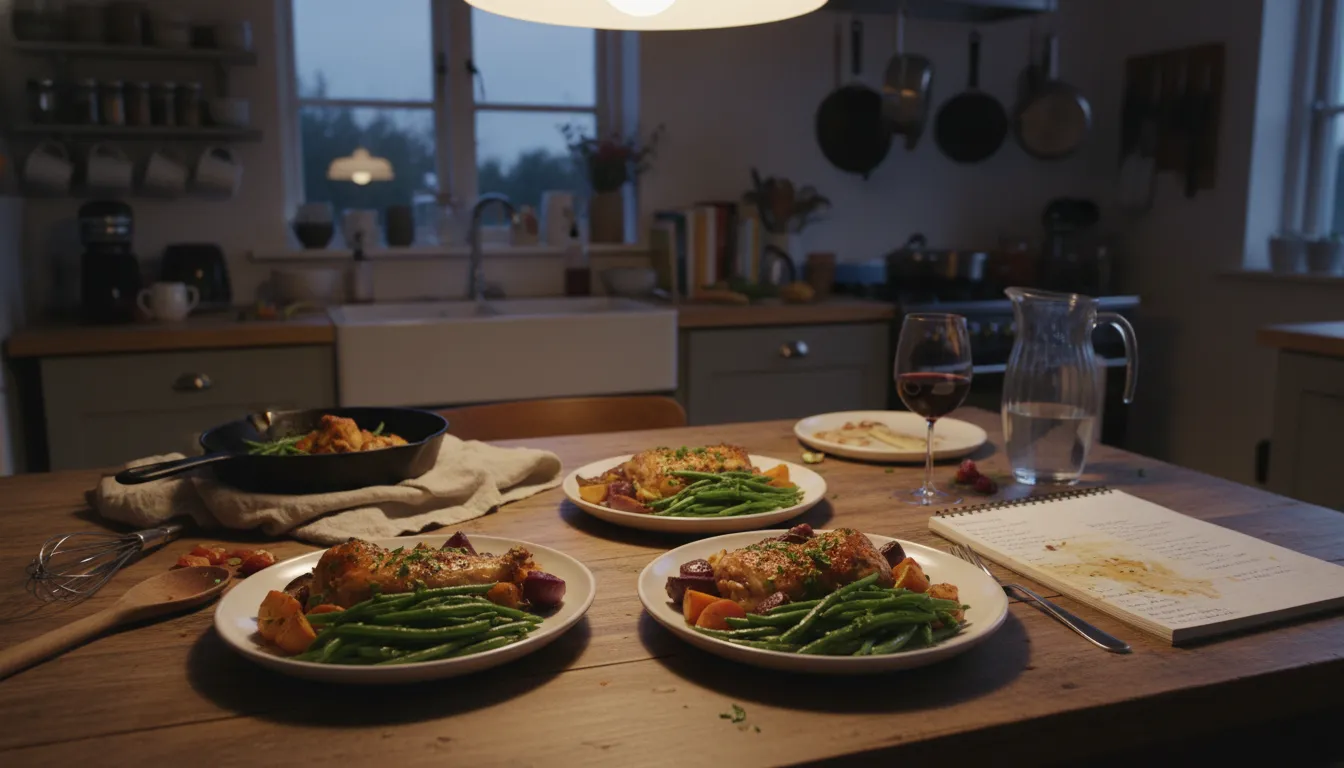
Cooking well in everyday life doesn’t require innate talent, expensive equipment, or available hours. It mainly requires a bit of organization, a basic repertoire of recipes, and the willingness to improve with practice. Every meal prepared at home is a small victory — for the wallet, for health, and for well-being.
Start with the simplest: choose one or two recipes from this article to try this week. Gradually, you’ll gain confidence, discover your favorite spices, and create your own variations. The kitchen is, above all, a space of creativity accessible to everyone.
And if you like making your home more pleasant and functional, you might also be interested in easy-to-care-for indoor plants: where to start — another simple way to enhance the quality of the environment you live in daily.
Mais Lidas
O Jornal Meia Hora é um portal de notícias que oferece informações atualizadas sobre política, economia, esportes, entretenimento e mais. Nosso compromisso é manter nossos leitores informados com notícias precisas e imparciais.
Redação
Trending
Categorias
© Jornal Meia Hora. Todos os direitos reservados.
- Cheese and fruits: a classic combination that works very well
- Carbohydrates: rice, pasta, boiled sweet potatoes
- Proteins: cooked or grilled chicken, boiled eggs, seasoned ground beef
- Read the entire recipe before turning on the stove


