
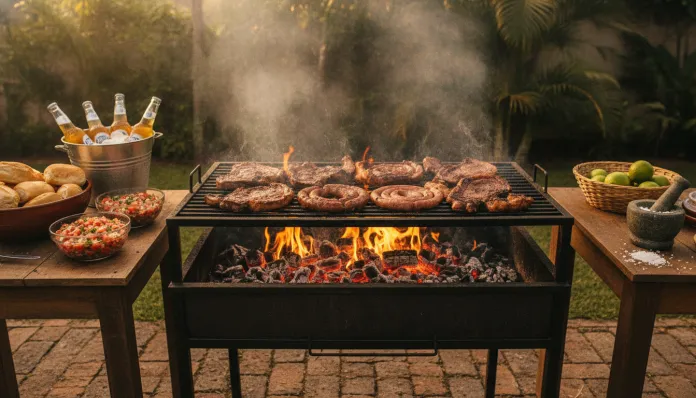
Essential Tips for the Perfect Brazilian Barbecue
Is there anything more Brazilian than gathering family and friends around a grill? Barbecuing goes beyond just putting meat on fire—it’s a social ritual that spans generations, regions, and social classes, uniting the country from north to south with the unmistakable aroma of roasting meat. Whether on a relaxed Sunday with family, a lively birthday, or a get-together with friends, barbecue holds a special place in Brazilian culture.
The difference between an average barbecue and an unforgettable barbecue lies in the details. Choosing the right cuts, preparing the coals, executing the perfect sides, and even the order in which the meat hits the grill all make a difference in the final result. Who hasn’t been to a barbecue where the meat was tough, burned on the outside and raw inside—or so overcooked it seemed like shoe leather?
The good news is that mastering barbecuing is a skill that can be learned and perfected. In this comprehensive guide, you’ll find everything you need for the perfect barbecue: from essential cuts to the ideal charcoal, classic sides, and tips that seasoned grill masters keep under wraps.
Must-Have Meat Cuts
Meat is, of course, the star of the barbecue. And here, variety is a virtue. In Brazil, the gaucho barbecue tradition has influenced the entire country, popularizing cuts now found from Oiapoque to Chuí.
Indispensable Classics
- Picanha: considered the most noble and beloved cut in Brazilian barbecue, picanha comes from the rear of the cow and is distinguished by the fat cap that covers it. It should be roasted as a whole piece, with the fat facing up initially, so the heat melts it and moistens the meat.
- Ribs: require patience but reward those who wait. Slowly roasted for 4 to 6 hours on low heat, beef ribs melt in your mouth and are one of the greatest pleasures of barbecue.
- Flank Steak: with long fibers and intense flavor, flank steak has gained popularity in recent decades and is highly appreciated for its juiciness when well-prepared.
- Rump Tail: tender and flavorful, it’s a good option for those who prefer less fatty meat without sacrificing flavor.
- Sausage: artisanal sausages—especially Tuscan and Calabrese—are a must, usually served as an appetizer while the main meat is still on the grill.
- Chicken: thighs and drumsticks marinated with garlic, lemon, and herbs are a versatile option that pleases almost everyone.
For the Adventurous
Cuts like short ribs, flap meat, ribeye (equivalent to the American ribeye), and tomahawk are gaining ground in Brazilian barbecues, bringing innovations without abandoning tradition.
Charcoal, Coals, and Fire: The Foundation
Many people underestimate this step, but the fuel and fire management are just as important as the quality of the meat. A mistake at this stage can compromise all your efforts.
Choosing the Right Charcoal
There are two main types on the Brazilian market:
- Vegetable Charcoal: the most common and accessible. Quality varies greatly depending on its origin. Prefer certified brands, as illegally sourced charcoal contributes to deforestation.
- Charcoal Briquettes: denser and more uniform, they burn longer and at a more consistent temperature. Ideal for long barbecues like ribs.
How to Light the Coals Properly
- Stack the charcoal in a pyramid shape in the center of the grill.
- Use gel starter or paste alcohol—avoid liquid alcohol, which is extremely dangerous.
- Wait for the flame to extinguish naturally and for the charcoal to be covered with a gray-white layer. This indicates the coals are ready.
- Distribute the charcoal evenly before placing the meat.
The secret is to never place meat on live flames. The ideal is always to work with already formed coals, which transmit heat by radiation in a more controlled way.
Seasoning: Simplicity is Best
One of the biggest debates in the Brazilian barbecue world is about seasoning. And the experts’ answer is often surprising: less is more.
Coarse salt applied at the moment is enough to enhance the natural flavor of quality beef. Apply it to the piece before taking it to the grill and let the heat do the work. To remove excess before serving, lightly tap the meat with your hand or use a culinary brush.
For chicken and pork, marinating makes more sense. A classic combination includes:
- Crushed garlic
- Lemon or orange
- Olive oil
- Salt, black pepper, and herbs to taste (rosemary, thyme, and parsley are great options)
Let marinate for at least 2 hours in the fridge—or ideally, overnight.
Sides: The Supporting Cast That Makes a Difference
A perfect barbecue doesn’t rely solely on meat. The sides are a fundamental part of the experience and can transform a good meal into something memorable.
Timeless Classics
- Vinagrete: chopped tomato, onion, bell pepper, and parsley, seasoned with olive oil, vinegar, and salt. Simple and refreshing.
- Farofa: can be simple (butter, salt, and toasted cassava flour) or enhanced with bacon, eggs, and chives.
- Garlic Bread: slices of French bread or baguette with garlic and herb-infused butter, grilled over coals. Hard to resist.
- White Rice: a discreet but essential presence to complete the dish.
- Green Salad: a fresh salad balances the meat’s fat and adds lightness to the meal.
- Homemade Mayonnaise: especially the herb or potato version, which pleases all tastes.
Beverages to Match
Cold beer is the most traditional companion of Brazilian barbecue. But other options are gaining ground, such as medium to full-bodied red wine (which pairs well with beef cuts), caipirinha, and non-alcoholic options like natural juices and soft drinks.
Essential Equipment for the Grill Master
You don’t need a professional grill to make a good barbecue, but some items make a real difference in the experience.
| Equipment | Purpose |
|---|---|
| Grill or Rotating Skewer | Supports the meat over the coals |
| Long Stainless Steel Tongs | Turn and handle the meat safely |
| Sharp Barbecue Knife | Cut and slice with precision |
| Honing Steel or Sharpener | Keep the knife’s edge sharp |
| Cooking Thermometer | Check the internal temperature of the meat |
| Large Wooden Board | Support for cutting and presentation |
The cooking thermometer deserves special mention: it eliminates guesswork when determining the doneness of the meat. Generally, for rare beef, the internal temperature should be between 52°C and 57°C; for medium, between 60°C and 65°C; and well done, above 70°C.
Organization and Timing: The Secret Few Reveal
A good grill master is, above all, a good organizer. The order in which items go on the grill determines whether your guests will be satisfied or impatient.
Suggested Order for a Complete Barbecue
- Ribs (if making): start first, as they take hours on low heat.
- Sausages and chicken: go before the main beef cuts and serve as appetizers.
- Garlic bread: can go along with the sausages, on medium heat.
- Picanha, flank steak, and rump tail: the main cuts, which go on when guests are “warmed up” by the appetizers.
- Grilled desserts: banana with cinnamon and sugar or grilled pineapple are delicious and simple endings.
Plan the quantity carefully. A practical rule often used is to calculate between 400g and 500g of meat per person in a complete barbecue with sides.
Conclusion: The Perfect Barbecue is a Complete Experience

In the end, the perfect barbecue isn’t about a specific cut or secret technique. It’s the sum of careful choices: the right meat, well-prepared coals, perfectly measured seasoning, well-crafted sides, and, most importantly, good organization so everything reaches the table at the right time.
More than a meal, barbecue is a gathering. The coals that heat the meat also warm relationships—and that’s why this tradition remains so vibrant and beloved in Brazil. With the tips in this guide, you have everything you need to turn your next barbecue into an experience your guests will remember for a long time.
And if you’re thinking of creating a garden to have fresh herbs and seasonings for marinades and sides, check out this complete guide: Home Garden: How to Start from Scratch in a Small Space. Homegrown rosemary, thyme, and parsley make all the difference in the final flavor.


