
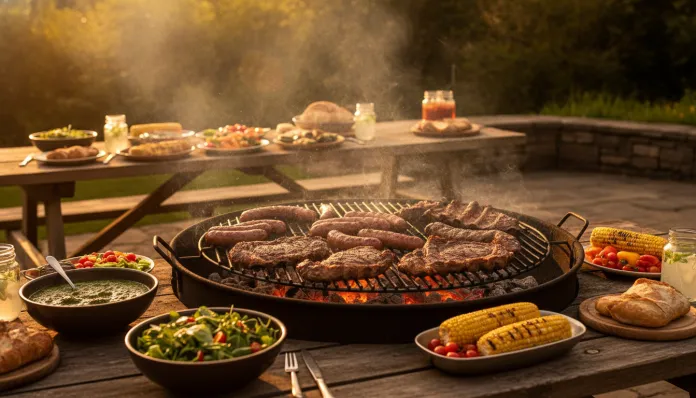
Few things bring family and friends together like a barbecue. The aroma of meat on the grill, the sound of fat sizzling on the coals, and the casual conversation around the grill make barbecuing one of the most cherished social rituals in Brazilian culture. It’s no surprise that Brazil is one of the largest consumers of beef in the world, and the tradition of grilling meat outdoors spans generations, regions, and social classes.
However, the difference between a barbecue that becomes a fond memory and one that ends with tough meat, poorly lit coals, and guests waiting hours for the first skewer lies in the details. Mastering the art of barbecuing doesn’t require being a professional chef—it requires basic knowledge, organization, and some tricks that experienced grillers keep under wraps. That’s exactly what you’ll find here.
From planning to dessert, including choosing the right cut, preparing the coals, cooking the meat to perfection, and setting the table, this guide compiles everything you need to turn any gathering into an unforgettable barbecue.
Planning: The Barbecue Begins Before Lighting the Fire
The most common mistake for those organizing a barbecue is underestimating the planning. Most failures—insufficient meat, running out of charcoal, missing side dishes—occur due to lack of prior organization, not lack of skill.
Amount of meat per person: The general rule used by experienced grillers is to calculate between 400g and 500g of meat per adult, considering a variety of cuts. If the event is long (more than four hours) or if there aren’t many side dishes, increase to 600g. For children, half that amount is usually sufficient.
How much charcoal to buy: The most practical calculation is to use 1kg of charcoal for every 2kg of meat. For a medium barbecue for ten people, this means approximately 2.5kg to 3kg of charcoal—but always have a spare bag.
Checklist before the day:
- Clean and well-maintained grill
- Sufficient charcoal or wood
- Lighter (never use gasoline or liquid alcohol—they are dangerous)
- Skewers, grill, tongs, and heat-resistant gloves
- Coarse salt and seasonings
- Enough plates, cutlery, and cups
- Cooler or icebox with ice for drinks
- Trash bags and paper towels
Choosing the Right Cuts for Each Moment
The choice of meat is where many barbecues go wrong before they even begin. In Brazil, the variety of cuts is enormous, and each has characteristics that require different preparation techniques.
Cuts for the Grill (High and Direct Heat)
- Picanha: The most iconic cut of Brazilian barbecue. It has a fat cap that should be kept—it protects and moistens the meat during cooking. It works well on skewers or directly on the grill.
- Ribeye: Tender, with marbled fat, great for thick steaks on the grill.
- Flank Steak: Thin and flavorful cut, ideal for those who prefer lighter meat. Cooks quickly.
- Tri-Tip: Tender and juicy, especially when prepared whole and sliced at serving.
Cuts for Slower Cooking
- Ribs: Require patience. Ideally roasted for four to six hours on low, indirect heat. The result is meat that easily falls off the bone.
- Hump: Full of marbled fat, requires long time on the grill to fully tenderize.
To Vary and Surprise
- Chicken Hearts: A classic of popular barbecue, well-seasoned and quick to cook.
- Artisanal Sausage: Opens the appetite while larger cuts roast.
- Grilled Cheese: An option for vegetarians and those who want a different snack.
The Right Fire: How to Make the Perfect Coals
Lighting the grill seems simple, but it’s a step that determines the outcome of everything that follows. Poorly made coals result in raw meat on the outside and burnt on the inside, or insufficient heat to properly sear.
Step-by-step for ideal coals:
- Place the charcoal in the center of the grill, forming a compact pile.
- Use a gel or solid tablet lighter—never flammable liquids like alcohol or gasoline, which are extremely dangerous and can cause serious accidents.
- Light the lighter at the base of the charcoal pile and wait.
- Do not blow directly on the initial flames. Use a fan or manual fan to gently stimulate the fire.
- Wait for the charcoal to be covered by a layer of white ash—this indicates the coals are ready. This process takes between 25 and 40 minutes.
- Spread the charcoal evenly over the grill and wait another five minutes before placing the meat.
Essential tip: Never place meat over live flames. You want coals without flames—they provide even heat and don’t burn the surface of the meat before cooking it inside.
Seasoning: Less is More (Most of the Time)
One of the biggest controversies in Brazilian barbecue is seasoning. Traditional gauchos advocate coarse salt as the only and sufficient seasoning. In other regions, marinades, garlic, and chimichurri are part of the tradition. There’s no single truth—but there are good practices.
For premium cuts like picanha and ribeye: Coarse salt applied just before going to the grill is sufficient. Coarse salt creates a protective crust that helps seal the juices inside the meat. After cooking, shake off the excess before serving.
For firmer cuts like flank and tri-tip: A light marinade of garlic, lemon, olive oil, and fresh herbs for two to four hours in the fridge helps tenderize and add flavor.
For sausage and chicken: Salt, garlic, smoked paprika, and a drizzle of olive oil work very well.
What to avoid: Sugar and honey directly on the grill tend to burn quickly, creating a bitter layer. If you want to use them, apply only in the last minutes of cooking.
The Perfect Doneness: How to Get It Right Without Mistakes
Doneness is a serious matter for barbecue enthusiasts. Knowing how to identify the right doneness without cutting the meat (which causes juice loss) is a skill that comes with practice—but can be accelerated with some references.
Doneness Internal Temperature Appearance When Cut Rare 50°C to 55°C Bright red in the center Medium Rare 55°C to 60°C Deep pink Medium 60°C to 65°C Light pink Medium Well 65°C to 70°C Slightly pink Well Done Above 70°C No pink, uniform Practical tip: A culinary probe thermometer is a small investment that eliminates guesswork. It’s inexpensive and highly effective.
Another popular technique among grillers is the touch test: Press the meat with your finger. The firmer it is, the more well-done it is. Medium meat has medium resistance, similar to the firmness of the palm of your hand with the thumb touching the middle finger.
Important: After removing the meat from the grill, let it rest for three to five minutes before cutting. This time allows the juices to redistribute throughout the piece, resulting in much juicier meat.
Side Dishes That Elevate the Barbecue
A good barbecue isn’t just about meat. The right side dishes balance the palate, feed those who don’t eat meat, and complete the meal harmoniously.
Classic side dishes that never disappoint:
- Vinaigrette: Tomato, onion, bell pepper, parsley, olive oil, and vinegar. Fresh and acidic, it cuts the fat of the meat.
- Farofa: Can be simple (butter, flour, and salt) or elaborate, with bacon, eggs, and herbs.
- Garlic Bread: Easy to prepare on the grill itself, it pleases almost everyone.
- Mayonnaise Salad: Versatile and easy to prepare in advance.
- White Rice: Indispensable in many regions of Brazil.
- Cooked or Fried Cassava: An excellent choice, especially for children.
For drinks: Chilled soft drinks, craft beers, natural juices, and sparkling water are favorites. For adults who prefer something different, a full-bodied red wine or a well-chilled draft beer pairs very well with red meats.
After the Barbecue: Cleaning and Preservation
The less glamorous phase—but essential. Cleaning the grill while it’s still warm (never too hot) is much easier than trying to scrape off hardened grease days later.
Quick cleaning and preservation tips:
- Use a steel brush to clean the grill while it’s still warm.
- Never pour water directly on hot charcoal—the steam can be dangerous.
- Leftover roasted meat keeps well in the refrigerator for up to three days in a sealed container.
- Raw meat that didn’t go on the grill can be frozen without problems, as long as it’s still within the expiration date.
- Properly dispose of cold charcoal in a plastic bag before throwing it away.
Conclusion: The Art of the Perfect Barbecue is in the Details
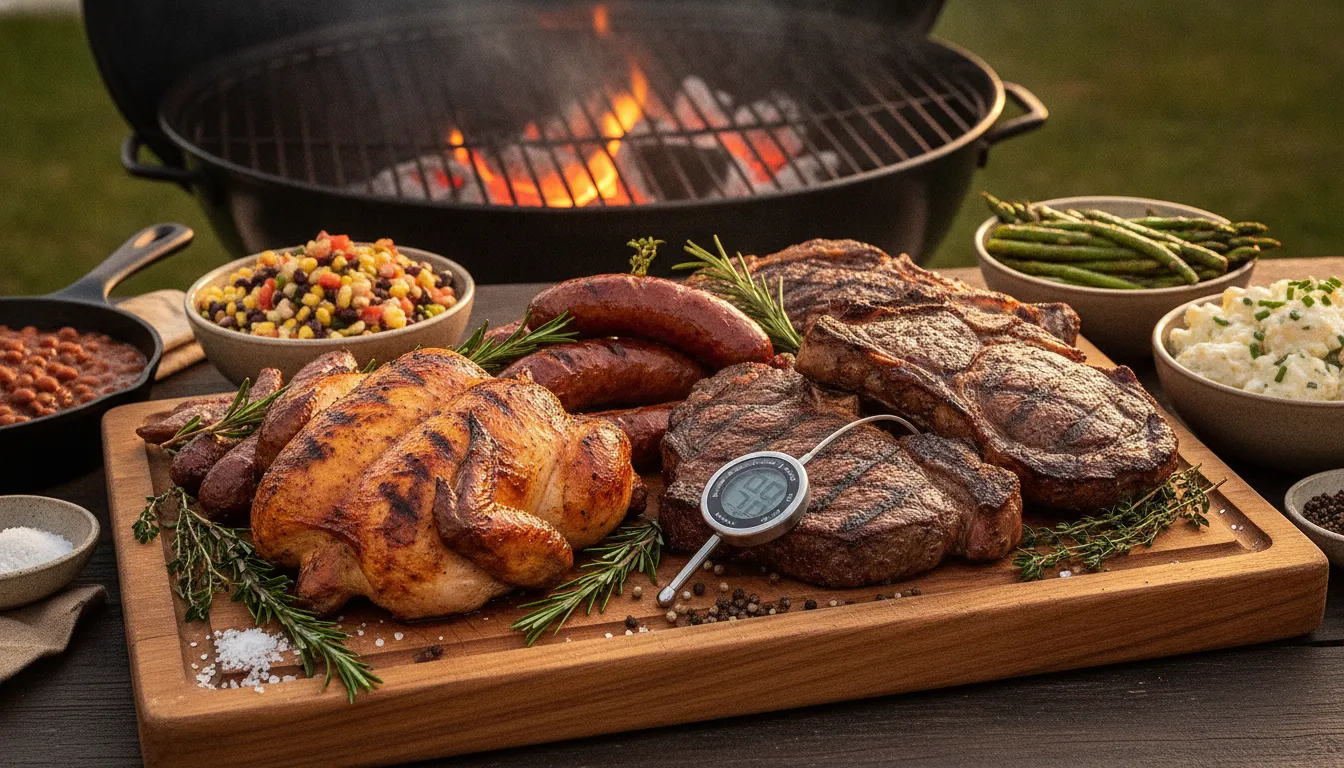
A memorable barbecue doesn’t happen by chance. It results from careful planning, the right choice of cuts, patience with the coals, respect for the meat’s doneness, and attention to side dishes. Each of these elements contributes to the overall experience—and it’s their combination that turns a simple Sunday lunch into something people will remember for years.
The good news is that these secrets don’t require expensive equipment or hard-to-find ingredients. They require, above all, attention and practice. The more you do it, the more natural the process will become—and the more enjoyable too.
Next time you gather people around the grill, remember: you light the fire, but it’s the care at each stage that makes the barbecue truly perfect.
Mais Lidas
O Jornal Meia Hora é um portal de notícias que oferece informações atualizadas sobre política, economia, esportes, entretenimento e mais. Nosso compromisso é manter nossos leitores informados com notícias precisas e imparciais.
Redação
Trending
Categorias
© Jornal Meia Hora. Todos os direitos reservados.
- Farofa: Can be simple (butter, flour, and salt) or elaborate, with bacon, eggs, and herbs.
- Vinaigrette: Tomato, onion, bell pepper, parsley, olive oil, and vinegar. Fresh and acidic, it cuts the fat of the meat.
- Artisanal Sausage: Opens the appetite while larger cuts roast.
- Hump: Full of marbled fat, requires long time on the grill to fully tenderize.
- Ribeye: Tender, with marbled fat, great for thick steaks on the grill.
- Picanha: The most iconic cut of Brazilian barbecue. It has a fat cap that should be kept—it protects and moistens the meat during cooking. It works well on skewers or directly on the grill.


