
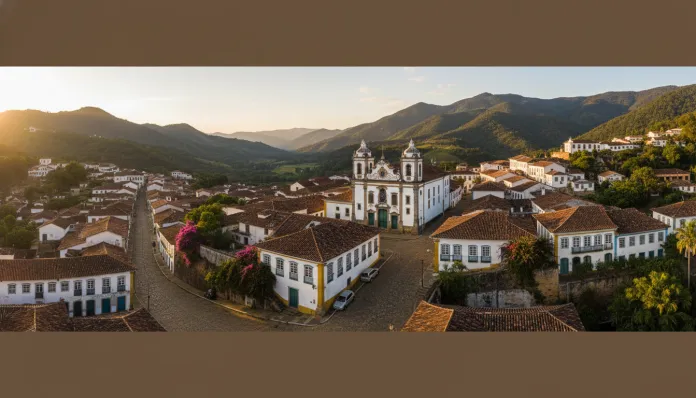
Brazil is a country of continental dimensions and rich history, marked by centuries of colonization, cultural blending, and transformations that have left deep marks on its urban landscape. Travelers venturing through the country’s interior encounter cities that seem frozen in time — cobblestone streets, gilded baroque churches, colonial mansions, and traditional festivals that withstand the test of time. Visiting these cities is like diving into another era without leaving the national territory.
For many travelers, large metropolises are the obvious destination. However, it is in the so-called historic cities that Brazil reveals its most authentic soul. These are places where architecture tells stories that textbooks barely manage to reproduce, where every stone on the sidewalk carries centuries of collective memory. In 2026, cultural tourism in Brazil continues to grow, and these destinations increasingly feature in the itineraries of those seeking experiences beyond the conventional.
This guide gathers some of the most remarkable historic Brazilian cities, offering a brief portrait of each — their origins, highlights, and what makes each visit an irreplaceable experience.
Ouro Preto (MG): The Jewel of Brazilian Baroque
Few places in Brazil concentrate so much historical wealth in such a small territorial extension as Ouro Preto, in the state of Minas Gerais. Founded in the late 17th century during the gold rush, the city was the epicenter of colonial Brazilian mining and was one of the most populous in the Americas in the 18th century.
Declared a UNESCO World Heritage Site in 1980, Ouro Preto preserves a practically intact baroque architectural and urban ensemble. The churches are the main postcard: the Church of São Francisco de Assis, with works by sculptor Antônio Francisco Lisboa, known as Aleijadinho, is considered one of the masterpieces of American baroque. The Museum of Inconfidência, housed in the former Town Hall and Jail, holds relics from the 1789 Inconfidência Mineira, a movement that attempted to proclaim the independence of the then captaincy.
The city is also the stage for the famous Ouro Preto Carnival, one of the most traditional in Minas Gerais, and the celebrations of the Week of Inconfidência in April. For those traveling from Belo Horizonte, the journey takes about an hour and a half by car via BR-356.
Paraty (RJ): Between the Atlantic Forest and Colonial Sea
Nestled between the Serra da Bocaina and the Bay of Ilha Grande, Paraty is one of the best-preserved colonial cities in Brazil. Officially founded in the 17th century, it served as a point for exporting gold from Minas Gerais to the coast and later as a hub in the coffee cycle.
The historic center of Paraty is listed by the National Institute of Historic and Artistic Heritage (IPHAN) and, in 2019, was included in the UNESCO World Heritage List along with the Serra da Bocaina, as part of the joint nomination of the Discovery Coast — Atlantic Forest Reserves. Its cobblestone streets, known as pé-de-moleque, intentionally flood during high tide periods — a natural drainage system planned by the Portuguese during the colonial period.
Paraty is also home to the FLIP (Paraty International Literary Festival), one of the largest literary events in Latin America, held annually since 2003. The combination of culture, gastronomy, natural beauty, and colonial architecture makes the city a complete destination for all traveler profiles.
São Luís (MA): The Tile that Covers History
São Luís, the capital of Maranhão, holds one of the most impressive collections of colonial architecture in the country. Founded by the French in 1612 and later dominated by the Dutch before being definitively incorporated into Portuguese rule, the city has a unique historical trajectory in the Brazilian context.
The historic center of São Luís was declared a UNESCO World Heritage Site in 1997. The most characteristic element of its architecture is the Portuguese tiles that cover the facades of colonial mansions — a tradition that has spanned centuries and can still be appreciated on streets like Rua Portugal and Rua do Giz. The city is also the birthplace of the bumba-meu-boi, a cultural manifestation recognized by IPHAN as Intangible Cultural Heritage of Brazil.
The capital of Maranhão is also a significant gastronomic center, with typical dishes such as arroz de cuxá, shrimp pie, and the famous Maranhão coconut milk integrating local cuisine with African, indigenous, and European influences.
Olinda (PE): Carnival, Churches, and Folk Art
Neighboring Recife, the city of Olinda was founded by the Portuguese in 1535 and became one of the first centers of colonial power in Brazil. Its historic ensemble, listed as a UNESCO World Heritage Site in 1982, includes churches, convents, chapels, and mansions spread across hills with views of the sea.
The Olinda Carnival is one of the most famous in the country, marked by the giant puppets parading through narrow streets and the frevo, a Pernambucan rhythm recognized as Intangible Cultural Heritage of Humanity by UNESCO since 2012. Throughout the rest of the year, the city maintains a vibrant artistic scene, with studios, galleries, and craft fairs scattered throughout the historic center.
The Church and Monastery of São Bento, founded in the 16th century, and the Church of the Sé, one of the oldest in Brazil, are must-see stops for visitors to the city. Olinda is small enough to be explored on foot, allowing for a complete immersion in its unique atmosphere.
Diamantina (MG): The City that Inspired a President and Named a Heritage
Diamantina, in the Jequitinhonha Valley, in Minas Gerais, owes its name and existence to diamond mining in the 18th century. The city was one of the main centers for extracting precious stones in colonial Brazil and still holds an impressive architectural collection, earning it the title of UNESCO World Heritage Site in 1999.
The city is also known for being the birthplace of Juscelino Kubitschek, the president who governed Brazil from 1956 to 1961 and was responsible for the construction of Brasília. The house where JK was born is now a museum visited by tourists from all over the country.
Among the historical highlights of Diamantina are the House of Chica da Silva — a historical figure linked to the history of slavery and colonial society in Minas Gerais —, the Metropolitan Cathedral of Santo Antônio, and the Municipal Market, built in the 19th century. The Vesperata, a traditional serenade held on the city’s historic balconies, is a unique musical and cultural experience that regularly attracts visitors.
Alcântara (MA): Grandeur in Ruins
Less than an hour by boat from São Luís, the city of Alcântara is a destination that impresses with the melancholic atmosphere of its declining grandeur. Founded in the 17th century, it was one of the richest cities in colonial Brazil, thanks to cotton production and enslaved labor. With the end of slavery and economic decline, the city lost population, and some of its mansions and churches turned into ruins.
These ruins, however, are now the main tourist attraction of Alcântara. The Praça da Matriz, surrounded by mansions in various stages of deterioration, and the Church of Nossa Senhora do Carmo, partially destroyed, create a scene of rare melancholic beauty. The city is listed by IPHAN and is on Brazil’s tentative list for UNESCO candidacy.
Practical Tips for Visiting Brazilian Historic Cities
Those planning a tour of these destinations should consider some important points:
- Appropriate Footwear: Cobblestone streets are charming but require comfortable shoes with good grip.
- Respect for Heritage: Many monuments and churches have specific visitation rules. Check opening hours before visiting.
- Season and Climate: Each region has its seasonality. The rainy season can make access to some attractions difficult.
- Local Guides: In cities like Ouro Preto and Diamantina, guides accredited by the Ministry of Tourism offer historical context that greatly enriches the visit.
- Support Local Commerce: Buying crafts, gastronomy, and lodging from local businesses directly contributes to the economy of the communities that preserve these heritages.
- Documentation: For foreign travelers or for insurance purposes, it is always advisable to keep documents and records organized — and personal organization techniques can help plan the trip better.
Conclusion: Travel Back in Time Without Leaving Brazil
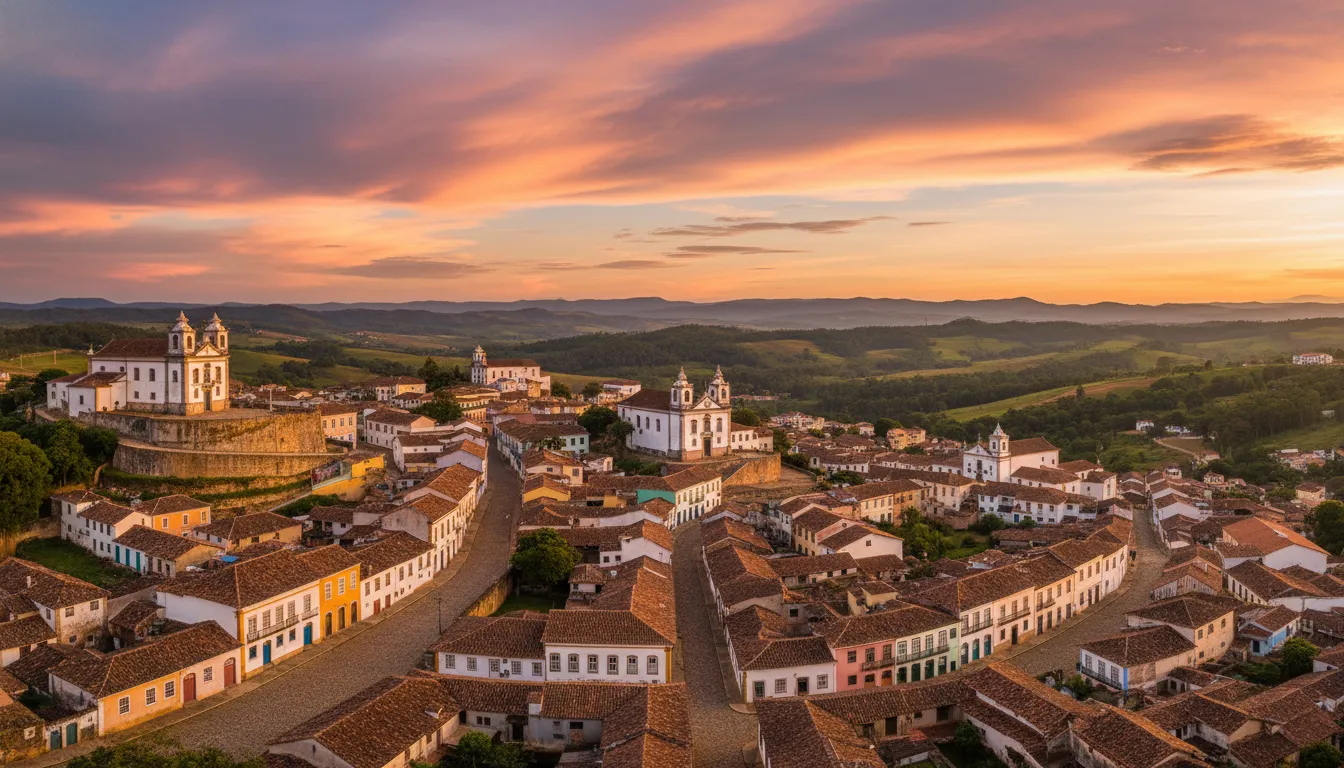
Brazilian historic cities are much more than beautiful settings for photographs. They are living repositories of memory, cultural resistance, and national identity. From Ouro Preto to Alcântara, each of these cities carries layers of history that reveal the contradictions, beauties, and complexities of Brazil’s formation process — from Portuguese colonization to the cultural blending that gave rise to a unique culture in the world.
Visiting these destinations in 2026 is also an act of valuing collective heritage. Each tourist who walks the streets of Paraty, contemplates the tiles of São Luís, or listens to the Vesperata in Diamantina contributes, even indirectly, to ensuring these places continue to be preserved for future generations.
Brazil has much more history than many of its own inhabitants know. And the best way to discover this is to set foot on the streets — even if they are stone streets, steep and full of centuries.
- Respect for Heritage: Many monuments and churches have specific visitation rules. Check opening hours before visiting.


