
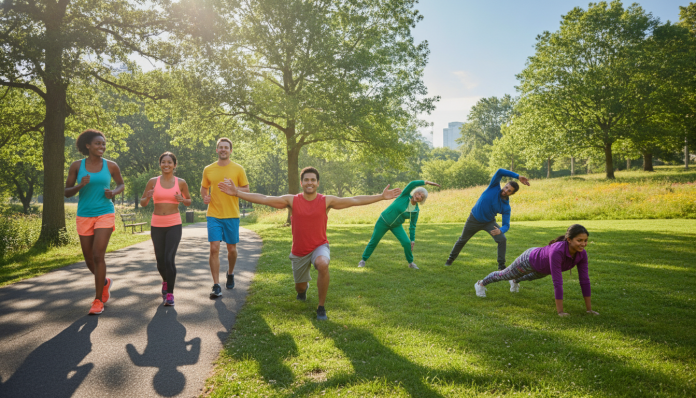
Have you ever stopped to think about what happens inside your body in the minutes, hours, and weeks after a good run, a swimming class, or even a soccer match with friends? Science shows that regular physical movement triggers a series of silent — and powerful — transformations that go far beyond weight loss or muscle gain. Exercise affects hormones, neurons, bones, the intestines, and even the way you sleep and think.
The problem is that in Brazil, much of the population is still far from meeting minimum physical activity recommendations. Data from the World Health Organization (WHO) indicate that about a quarter of adults worldwide don’t exercise enough, and the country faces challenges similar to the global average. At the same time, there have never been so many accessible options to move: workout apps, bike paths, community gyms, and neighborhood sports are increasingly present in urban daily life.
The good news is that you don’t need to become a professional athlete to reap the benefits. Science is clear: any amount of movement already starts to make a difference. In this article, you’ll understand what really changes in your body when you start exercising regularly. Remember that the information here is of a general and educational nature; always consult a health professional before starting or changing your exercise routine.
What happens in your body in the first minutes of exercise
As soon as you start moving with an intensity slightly above rest, your body enters mobilization mode. Your heart accelerates to pump more oxygenated blood to the muscles. Breathing becomes faster and deeper. Blood vessels dilate — a process called vasodilation — to increase blood flow to working regions.
At the same time, the liver and muscles begin to release glucose into the bloodstream, providing immediate fuel for cells. If exercise continues for more than 20 to 30 minutes, the body also begins to burn fat as an energy source — a mechanism called lipid oxidation.
In the first weeks of regular practice, this cardiovascular adaptation process is already noticeable: the heart becomes more efficient, needing to beat fewer times per minute to do the same work. This is why trained athletes have a resting heart rate noticeably lower than sedentary people.
Exercise and the brain: far beyond “good mood”
One of the most studied — and most fascinating — effects of physical exercise occurs in the nervous system. During and after physical activity, the brain releases substances like endorphins, dopamine, serotonin, and noradrenaline. These neurotransmitters are associated with feelings of pleasure, motivation, mood regulation, and stress control.
But exercise’s influence on the brain goes beyond momentary mood. Research in neuroscience has shown that regular physical activity stimulates the production of a protein called BDNF (Brain-Derived Neurotrophic Factor). This substance acts as a “fertilizer” for neurons, favoring the creation of new neural connections and even the birth of new cells in regions like the hippocampus, an area linked to memory and learning.
In practice, this translates into concrete benefits:
- Improved short and long-term memory
- Greater ability to concentrate and focus
- Reduced symptoms of anxiety and depression
- Lower long-term risk of developing neurodegenerative diseases, such as Alzheimer’s
Muscles, bones, and joints: the structural revolution
When you exercise, especially with resistance or moderate-impact activities, your muscles undergo microtrauma — small damage to muscle fibers. It sounds bad, but it’s exactly this process that, during rest, leads to the rebuilding of fibers to be stronger and thicker. This is muscle hypertrophy.
In bones, the effect is equally important. The mechanical impact generated by activities like walking, running, dancing, or weightlifting stimulates bone cells (osteoblasts) to produce more tissue, increasing bone mineral density. This benefit is especially relevant in preventing osteoporosis, a condition that weakens bones and increases fracture risk, especially in women after menopause and in older people.
Joints benefit from increased production of synovial fluid, which functions as a natural lubricant for joints. Low-impact exercises, such as swimming and cycling, are particularly recommended for people with joint problems, as they move the joints without overloading them.
The heart and cardiovascular system in transformation
The heart is a muscle. And like any muscle subjected to regular training, it strengthens. With exercise, the left ventricle — the chamber responsible for pumping blood throughout the body — tends to increase slightly in volume, allowing it to eject more blood with each beat. This phenomenon is known as athlete’s heart and is considered a healthy adaptation.
From a clinical perspective, the cardiovascular benefits of regular exercise include:
- Reduced blood pressure in people with mild or moderate hypertension
- Improved lipid profile: increased HDL (the “good” cholesterol) and reduced LDL (the “bad” cholesterol)
- Lower risk of heart attack and stroke
- Better blood sugar control, reducing the risk of type 2 diabetes or helping manage it in those already diagnosed
The WHO recommends, for adults in general, at least 150 to 300 minutes per week of moderate-intensity aerobic activity — such as brisk walking, cycling, or swimming — or 75 to 150 minutes of vigorous activity, such as running. Additionally, it recommends muscle-strengthening activities on at least two days per week. However, these numbers should be adapted to each person’s reality and health history.
Sleep, immunity, and metabolism: the invisible allies
People who exercise regularly tend to sleep better. Physical exercise helps regulate the circadian rhythm — the body’s internal clock — and increases the proportion of deep sleep, the most restorative phase of the cycle. People who train usually fall asleep faster and wake up more energized.
In the immune system, effects are more nuanced. Moderate-intensity exercises, practiced regularly, tend to strengthen immune response, reducing the incidence of common infections like colds. But exhausting training without adequate recovery can have the opposite effect, temporarily suppressing immunity — a phenomenon observed in high-performance athletes.
Metabolism also undergoes important changes. Increased muscle mass, for example, raises resting energy expenditure: muscles consume more energy than fat tissue, even when you’re at rest. This means a more muscular person burns more calories throughout the day, even without additional effort.
How long does it take to feel the difference?
This is one of the most common questions among those who are starting out. The honest answer is: it depends on your starting point, the modality chosen, and the frequency. But some general milestones are well documented:
- 1 to 2 weeks: noticeable improvement in mood and energy, stress reduction
- 3 to 4 weeks: beginning of cardiovascular adaptations; more efficient heart
- 6 to 8 weeks: visible muscle gains and improved physical endurance
- 3 to 6 months: more significant changes in body composition, sleep, and lab results (blood sugar, cholesterol)
- 1 year or more: consolidated benefits for bones, immune system, and mental health
The key is consistency. Training intensely for two weeks and stopping doesn’t produce the same results as a moderate routine maintained for months.
How to start (or restart) safely
If you’ve been sedentary for a while, the transition needs to be gradual. Overexerting yourself early on is one of the main causes of injury and abandoning the practice. See some basic principles:
- Consult a doctor before starting, especially if you have a history of cardiovascular, orthopedic, or metabolic diseases.
- Start slowly: 20 to 30-minute walks, three times a week, are already a great starting point.
- Choose something you enjoy: the most efficient modality is the one you can maintain. Dancing, soccer, swimming, cycling — it all counts.
- Respect recovery: the body adapts during rest, not during training. Rest days are part of the process.
- Hydrate well before, during, and after exercise.
- Progress gradually: increase load, duration, or intensity little by little, week by week.
- Seek professional guidance: physical educators are qualified to build safe and efficient programs for each profile.
Sport has a long history of transforming not just bodies, but entire cultures — and Brazil has inspiring examples of this. If you want to learn more about this trajectory, it’s worth checking out about the Brazilian athletes who marked the history of sports and understand how human movement has always been at the center of our identity.
Conclusion: Your body was made to move
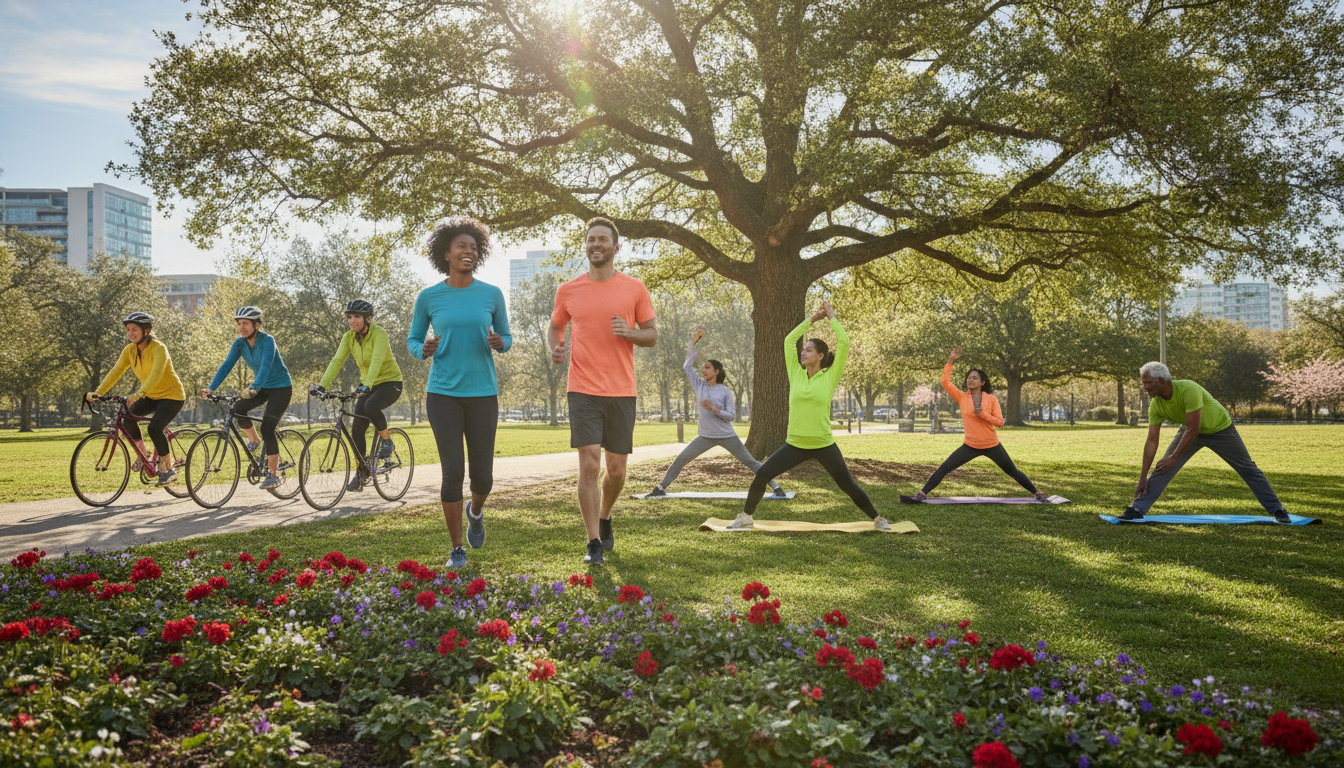
From neurons to bones, from hormones to joints, regular physical exercise is one of the most powerful — and accessible — resources that exist to improve quality of life. There is no medicine that replicates, on its own, the set of effects that physical activity produces in the human organism.
Science leaves no doubt: moving more is one of the best decisions anyone can make for their own health. And the best time to start is now — calmly, with pleasure, and with the support of qualified professionals.
Always remember: this article brings information of an educational and general nature. For specific guidance about your health and physical conditioning, consult a trusted doctor and physical educator.


