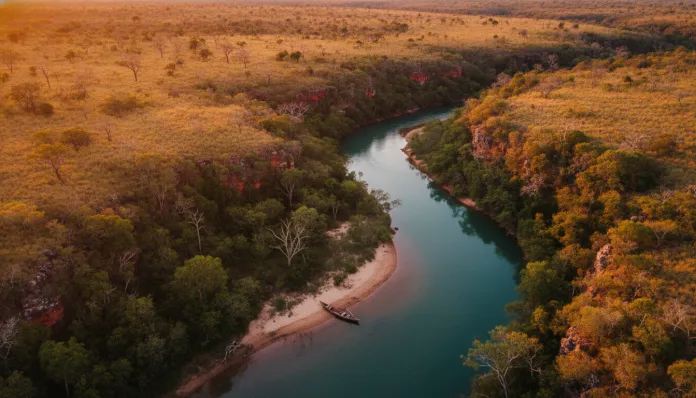
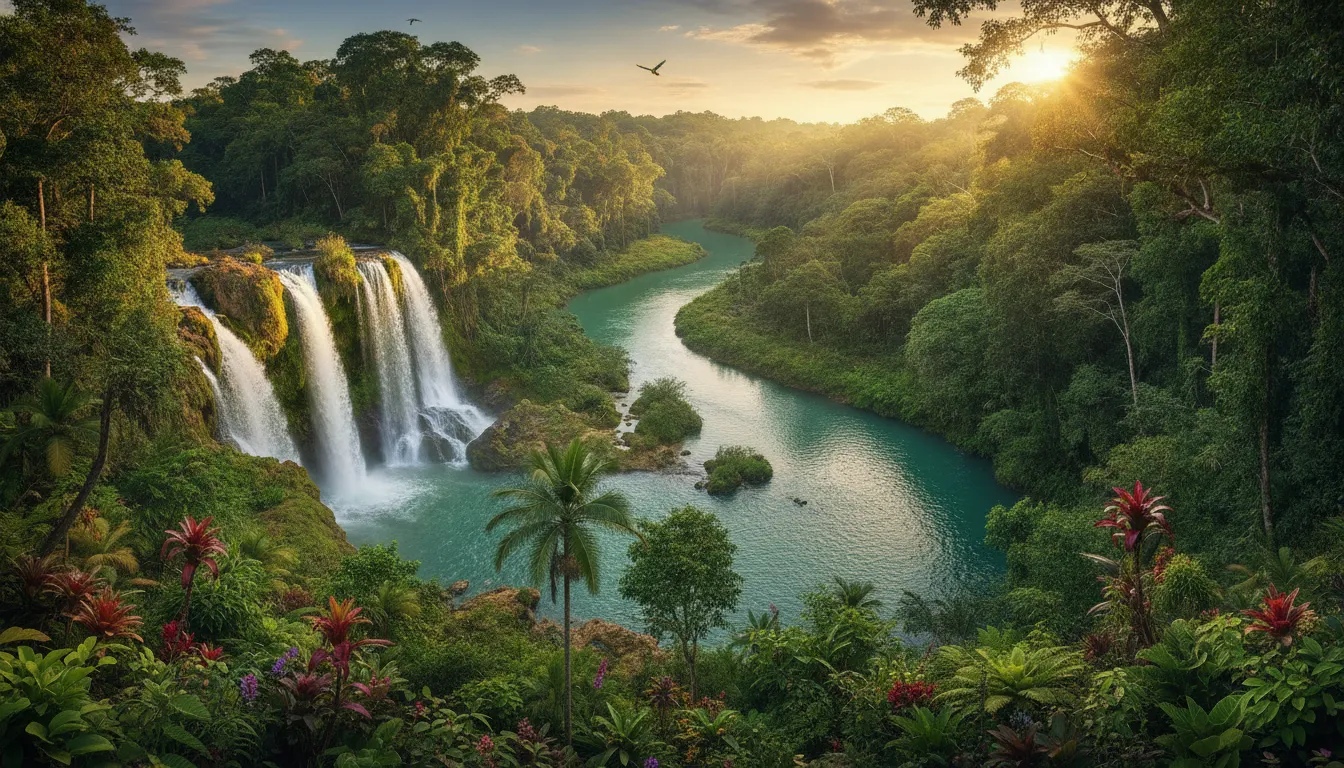
Brazil is globally renowned for its stunning beaches, the lush Amazon rainforest, and the vibrant Rio de Janeiro Carnival. However, those who limit their view of the country to these postcards are missing out on a vast array of experiences this continental land has to offer. With over 8.5 million square kilometers and 26 states featuring diverse landscapes, cultures, and histories, Brazil holds dozens of destinations that rarely appear on conventional tourist itineraries — offering more authentic and often more affordable experiences.
The good news is that interest in this type of tourism is steadily growing. Both Brazilian and international travelers are increasingly seeking to escape the saturation of obvious destinations and discover places where the connection with nature, local cuisine, and regional culture remains almost untouched. If you haven’t ventured beyond the famous Rio-São Paulo-Northeast axis, this guide is for you.
In the following sections, we will introduce destinations that span from the far North to the far South, through the heart of the Cerrado and the interior of the Northeast. Grab your map and get ready to rethink what you know about traveling in Brazil.
Jalapão: The Golden Desert in the Heart of Tocantins
Few names evoke as much adventure as Jalapão, a region located in the state of Tocantins, in Central Brazil. It is one of the country’s most impressive ecotourism destinations, yet unknown to many Brazilians.
Jalapão is characterized by red sand dunes, mountain ranges, buriti palm groves, and the most photogenic feature, the so-called fervedouros — crystal-clear water springs where the natural water pressure prevents bathers from sinking, creating a levitation sensation. This phenomenon is rare worldwide and is one of Brazil’s most unique attractions.
The best time to visit is the dry season, from May to September, when the rivers are at ideal levels and the dirt roads — requiring a 4×4 vehicle — are more passable. The most commonly used base city is Palmas, the capital of Tocantins, from where organized tours depart.
Must-See Attractions in Jalapão
Fervedouro do Ceiça and Fervedouro da Toca: the most famous and accessible
Dunes of Jalapão: perfect for sunset views
Velha Waterfall: one of the largest rock-bed waterfalls in the country
Serra do Espírito Santo: a natural lookout with panoramic views of the Cerrado
Lençóis Maranhenses: The Blooming Desert
Yes, the Lençóis Maranhenses are more well-known than Jalapão — yet they still do not receive the attention they deserve. Located on the western coast of Maranhão, the national park is formed by extensive white sand dunes that, during the rainy season (between July and September), accumulate freshwater lagoons in shades ranging from green to intense turquoise.
The phenomenon is unlikely: heavy rain in a dune region, without the water easily draining due to the impermeable soil. The result is a landscape that seems to have come from another planet.
The most commonly used entry city is Barreirinhas, in Maranhão. From there, you can take jeep and boat tours along the Preguiças River, reaching the village of Caburé, where the river meets the sea. The capital São Luís, just over 250 km away, is a UNESCO World Heritage Site and pairs well with the itinerary.
Serra Gaúcha: A Taste of Europe in Brazil
Visitors to the Serra Gaúcha in Rio Grande do Sul often feel a curious sensation: am I still in Brazil? The Italian and German colonization from the 19th century left deep marks on the region’s architecture, cuisine, and even accent.
Gramado and Canela are the most famous cities, known for the Natal Luz (traditional winter festival) and artisanal chocolate production. But the real secret of Serra lies in its surroundings: the Serra Gaúcha houses internationally renowned wineries concentrated mainly in the Vale dos Vinhedos, which in 2012 became the first Brazilian region to receive a controlled designation of origin for wines.
Why Go Beyond Gramado
Bento Gonçalves: the Brazilian wine capital, with steam train tours through the vineyards
Nova Petrópolis: German colonial architecture and the state’s largest public garden
Cambará do Sul: gateway to the Aparados da Serra National Park, home to the Itaimbezinho and Fortaleza Canyons
Antônio Prado: city with the largest set of historic wooden buildings listed by IPHAN
The Itaimbezinho canyons are, in themselves, one of Brazil’s most imposing geological spectacles: rock walls up to 720 meters high, covered in vegetation, with waterfalls that dissolve into mist before reaching the bottom.
Chapada dos Veadeiros: The Spiritual Heart of the Cerrado
Located in the state of Goiás, the Chapada dos Veadeiros National Park has been a UNESCO natural heritage site since 2001 and is one of Central Brazil’s most special destinations. The region lies in the so-called Central Plateau, at altitudes reaching 1,650 meters, creating a cooler microclimate and notable biodiversity.
The waterfalls are the main attraction: Cariocas, São Bento, Catarata dos Couros, and the natural pool complex of Rio Preto are among the most visited. The village of Alto Paraíso de Goiás serves as a base and has a well-established alternative cultural scene, with hostels, vegetarian restaurants, and craft fairs.
Chapada also attracts long-distance trail enthusiasts: the Caminho dos Veadeiros is a multi-stage route that traverses native Cerrado landscapes, quilombola communities, and historic farms.
Pantanal: The Largest Wildlife Sanctuary in the Americas
The Pantanal is technically known to nature enthusiasts, yet it remains underrated as a tourist destination. The world’s largest floodplain, shared between the states of Mato Grosso and Mato Grosso do Sul and parts of Bolivia and Paraguay, offers the best conditions on the planet for observing jaguars in the wild.
Unlike the Amazon, where dense vegetation makes animal sightings difficult, the Pantanal has more open vegetation that favors photographic ecotourism. The Transpantaneira, a dirt road with over 100 wooden bridges connecting Poconé to Porto Jofre (MT), is a classic route where you can see caimans, capybaras, jabirus, giant otters, and, with patience and luck, the jaguar.
The region’s rural lodges — known as fazenda lodges — are a fundamental part of the experience: many have been operating for decades with guides specialized in local fauna and flora.
Marajó and the Pará Archipelago: Amazon Beyond Manaus
When talking about the Amazon, the collective imagination goes straight to Manaus, in Amazonas. But the state of Pará holds equally impressive treasures that are much less explored by national tourism.
The Island of Marajó, the world’s largest river-sea island located at the mouth of the Amazon River, has a strong cultural identity. The island is known for the buffalo that roam freely through the streets of some towns, the Marajoara ceramic crafts (with pre-Columbian indigenous geometric patterns), and the freshwater beaches.
Further south, the Marajó Archipelago and the river beaches of Alter do Chão, in the municipality of Santarém, are often compared to the best sea beaches of the Northeast — with the advantage of being within the Tapajós River, with clear waters and pleasant temperatures. The “Amazonian Caribbean,” as it is called, attracts more and more visitors arriving via direct flights to Santarém.
How to Plan an Off-the-Beaten-Path Trip: Practical Tips
Traveling to less conventional destinations requires a bit more detailed planning. Here are the main points to consider:
Research the seasonality: each destination has an ideal window. Jalapão and Pantanal work better in the dry season; Lençóis Maranhenses require the rainy season for the lagoons.
Check local infrastructure: in destinations like Jalapão and Pantanal, dirt roads and 4×4 vehicles are necessary. Plan ahead.
Choose local guides: besides supporting the regional economy, local guides know details that no app will show you.
Respect protected areas: many of these destinations are national parks or environmental preservation areas. Learn about the rules before entering.
Book in advance during high season: lodges in remote locations have limited capacity and often sell out months in advance.
Consider itinerary combinations: Lençóis Maranhenses + São Luís, Chapada dos Veadeiros + Brasília, Serra Gaúcha + Southern Canyons are combinations that optimize time and travel costs.
Conclusion: The Brazil You Don’t Know Yet is Waiting
Brazil is a country of continental dimensions, and exploring only its most famous destinations is like reading only the cover of an extraordinary book. From the floating springs of Tocantins to the basalt walls of the gaucho canyons, from the mystical Cerrado of Goiás to the freshwater Caribbean of Pará, there is a Brazil that few know — and that richly rewards those who venture to discover it.
Beyond the experience itself, traveling to less saturated destinations has a positive impact on local development, strengthening communities that rely on sustainable tourism to preserve both the environment and their own culture.
Para fornecer as melhores experiências, usamos tecnologias como cookies para armazenar e/ou acessar informações do dispositivo. O consentimento para essas tecnologias nos permitirá processar dados como comportamento de navegação ou IDs exclusivos neste site. Não consentir ou retirar o consentimento pode afetar negativamente certos recursos e funções.
Funcional
Always active
O armazenamento ou acesso técnico é estritamente necessário para a finalidade legítima de permitir a utilização de um serviço específico explicitamente solicitado pelo assinante ou utilizador, ou com a finalidade exclusiva de efetuar a transmissão de uma comunicação através de uma rede de comunicações eletrónicas.
Preferências
O armazenamento ou acesso técnico é necessário para o propósito legítimo de armazenar preferências que não são solicitadas pelo assinante ou usuário.
Estatísticas
O armazenamento ou acesso técnico que é usado exclusivamente para fins estatísticos.O armazenamento técnico ou acesso que é usado exclusivamente para fins estatísticos anônimos. Sem uma intimação, conformidade voluntária por parte de seu provedor de serviços de Internet ou registros adicionais de terceiros, as informações armazenadas ou recuperadas apenas para esse fim geralmente não podem ser usadas para identificá-lo.
Marketing
O armazenamento ou acesso técnico é necessário para criar perfis de usuário para enviar publicidade ou para rastrear o usuário em um site ou em vários sites para fins de marketing semelhantes.