
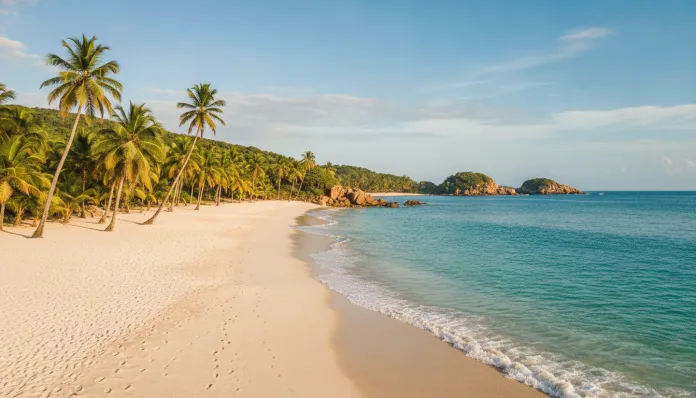
The Most Beautiful Beaches in Brazil to Visit in 2026
Brazil is one of the world’s most privileged countries when it comes to coastline. With over 7,000 kilometers of coast, the country boasts an impressive variety of beaches: from the crystal-clear, warm waters of the Northeast to the wild coves of the South, including the paradisiacal islands of the Southeast. If you haven’t decided on your next vacation destination yet, 2026 is the perfect year to explore the best of this vast natural heritage.
The geographical diversity of Brazil is its great differential. In a single country, you can find warm emerald-toned waters, freshwater lagoons nestled in white sand dunes, colorful coral reefs, and deserted beaches accessible only by boat. Each region has its own identity, rhythm, and unique beauty — making the choice both exciting and challenging.
To help you plan the trip of your dreams, we’ve compiled in this guide some of the most beautiful and renowned beaches in Brazil, spread across different regions. The selection considers natural beauty, infrastructure, accessibility, and what makes each destination unique. Grab your sunscreen and come explore.
Northeast: The Realm of Warm and Colorful Waters
The Brazilian Northeast is home to some of the most photographed beaches in the world. The combination of year-round sunshine, warm waters, natural pools formed by coral reefs, and unique landscapes makes the region an unbeatable destination.
Jericoacoara (CE)
Nestled on the coast of Ceará, Jericoacoara — affectionately known as “Jeri” by visitors — is considered by international travel publications as one of the most beautiful beaches on the planet. Access still requires 4×4 vehicles or buggies from Jijoca de Jericoacoara, preserving its charm and limiting excessive tourist flow.
The scenery is unmistakable: imposing dunes, stone windows sculpted by wind and sea, and the famous sunset over the main dune, where hundreds gather daily. The village has inns and restaurants, maintaining an intimate atmosphere even during peak season.
Baía dos Porcos and Praia do Sancho — Fernando de Noronha (PE)
Fernando de Noronha is an archipelago that frequently appears on lists of the world’s best beaches. Praia do Sancho, in particular, is repeatedly recognized as one of the most beautiful in Brazil and South America — and it’s not hard to see why: access is through a crack in the rock, revealing an imposing cliff, turquoise water, and nearly untouched fine sand.
The neighboring Baía dos Porcos completes the scene with natural pools and exceptional underwater visibility. It’s worth noting that the archipelago charges an environmental preservation fee (TEP) for visitors, with a progressive rate based on the length of stay — a measure to protect the local ecosystem.
Maragogi (AL)
Nicknamed the “Brazilian Caribbean,” Maragogi captivates with the incredible hue of its shallow waters and the “galés” — natural pools formed by coral reefs a few kilometers from the shore. Access to the “galés” is by boat or catamaran, and there are timed visits to minimize environmental impact. The beach itself is also beautiful, with palm trees, clear sand, and reasonable tourist infrastructure.
North: Freshwater Beaches and Unique Encounters
The Amazon and Pará hold beaches that defy imagination: river beaches, formed by freshwater rivers with white sand, in the heart of the tropical forest.
Alter do Chão (PA)
Alter do Chão, in Pará, is often called the “Caribbean of the Amazon.” The beach is on the banks of the Tapajós River and takes its characteristic shape — a white sand island surrounded by greenish water — especially between July and November, when the river level is lower.
The contrast between the Amazon rainforest in the background and the clear sand in the foreground is one of the most unique scenes in Brazilian tourism. The village of Alter do Chão has inns, bars, and restaurants, making the stay very pleasant.
Southeast: Beauty Between the Forest and the Sea
The Southeast coast, especially in São Paulo and Rio de Janeiro, combines preserved Atlantic Forest with high-quality beaches — many accessible only by boat or trail, ensuring less crowding.
Ilha Grande (RJ)
Ilha Grande, in the south of Rio de Janeiro state, is one of the most preserved destinations on the Brazilian coast. The island does not allow car circulation, which helps maintain nature. The beaches of Lopes Mendes and Aventureiro are considered among the best in the country: long stretches of sand, dense forest in the background, and perfect waves for surfers.
Access is by ferry or speedboat from Angra dos Reis or Mangaratiba. The main village has good infrastructure, with inns for different traveler profiles.
Ilhabela (SP)
On the northern coast of São Paulo, Ilhabela is an archipelago with over 80 beaches, most of them practically deserted. The Praia dos Castelhanos, accessible by dirt road or boat, is one of the most famous: extensive, with clear water and surrounded by forest. The island is also a reference for diving, due to the number of shipwrecks in its waters.
South: Wild Beaches and Breathtaking Lagoons
The South of Brazil surprises those who still associate beautiful beaches only with the Northeast. Santa Catarina, in particular, concentrates a remarkable diversity of coastal landscapes.
Florianópolis (SC)
The capital of Santa Catarina is an island with over 40 beaches, each with a distinct personality. The Praia da Lagoinha do Leste requires a 1.5-hour trail from the Pântano do Sul neighborhood but rewards with a wild cove with almost no structure — for those seeking direct contact with nature. The Praia da Joaquina is famous for its dunes and waves that attract surfers from around the world.
The Lagoa da Conceição, although not a sea beach, deserves mention: it is a lagoon of fresh/brackish water inside the island, with stunning views and good gastronomic infrastructure around.
Garopaba and Imbituba (SC)
The region between Garopaba and Imbituba, on the southern coast of Santa Catarina, is one of the most important points in Brazil for whale watching. Between June and November, southern right whales approach the coast for breeding and nursing their calves — a free natural spectacle observed from the shore. The region’s beaches, such as Praia do Rosa, have dramatic views with cliffs, native vegetation, and colder waters typical of the South.
Practical Tips for Planning Your Visit
Regardless of the chosen destination, some guidelines help make the trip smoother and more responsible:
- Book in advance: during peak season (December to February and July), inns in the most popular destinations fill up quickly.
- Respect local rules: many beaches have access restrictions, visiting hours, or daily visitor limits — like Fernando de Noronha and Alter do Chão.
- Protect the ecosystem: do not feed marine animals, do not remove corals or shells, and avoid stepping on reefs.
- Consider the time of year: the Northeast has concentrated rains between March and June in most states; the South has cooler beaches from May to September; the North has better access to river beaches in the second half of the year.
- Health up to date: consult a doctor before traveling to remote areas, especially in the Amazon, for guidance on vaccines and disease prevention. Remember to use sunscreen — the general recommendation from dermatologists is SPF 30 or higher, but individual cases should be evaluated by a health professional.
- Documentation: for Fernando de Noronha, Brazilian citizens need an ID with a photo. The environmental fee is charged and must be paid before or during the stay.
How to Choose the Right Destination for You
With so many options, the choice can be difficult. Here’s a quick guide by traveler profile:
Profile Recommended Destination Family with children Maragogi (AL) or Jericoacoara (CE) Wild nature lovers Ilha Grande (RJ) or Alter do Chão (PA) Divers and snorkelers Fernando de Noronha (PE) or Ilhabela (SP) Adventurers and hikers Lagoinha do Leste (SC) or Aventureiro (RJ) Wildlife observation Garopaba/Imbituba (SC) Luxury with isolation Fernando de Noronha (PE) Conclusion: Brazil as a Destination in 2026
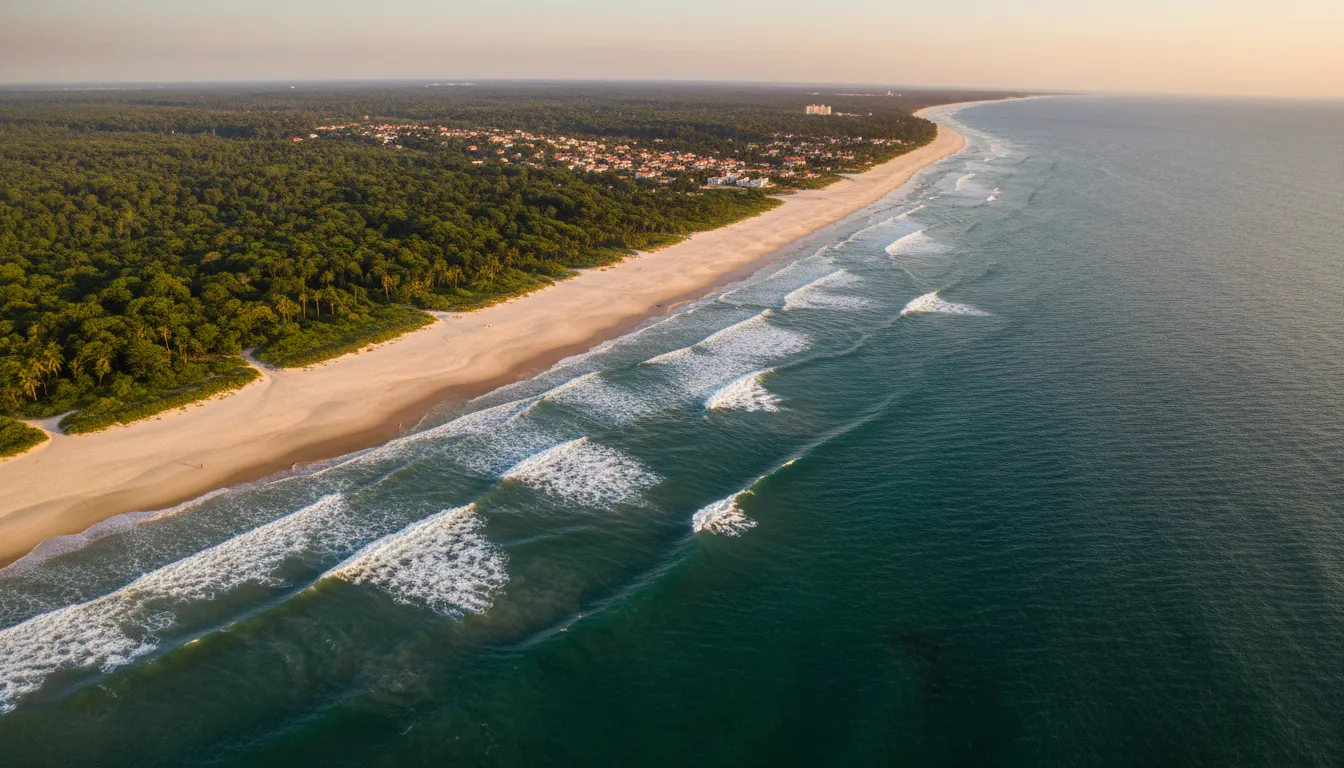
Brazil has a coastline that few nations in the world can match in diversity and beauty. From north to south, the options are enough for a lifetime of discoveries — and each trip reveals something new, whether it’s the specific color of the water at a certain angle of light, the marine fauna of a remote cove, or the sound of the wind on the dunes at sunset.
The best part is that much of this natural heritage remains accessible, without requiring a passport or long flight connections. Planning well, traveling with environmental responsibility, and embracing the rhythm of each place are the key ingredients for an unforgettable experience.
2026 is an excellent opportunity to put that pending itinerary into practice. Choose a destination, research the best time, and embark — the Brazilian coast is waiting for you.


