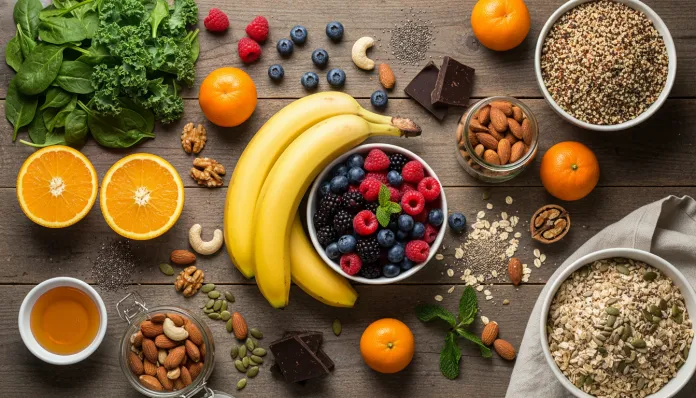
Why Do You Feel Tired Even After a Good Night’s Sleep?
Do you wake up after eight hours of sleep, have your coffee, and still feel like you’re dragging your feet throughout the day? You’re not alone. This complaint is one of the most common in medical and nutritional consultations worldwide, and often the answer lies in your diet—literally. What you eat has a direct impact on your energy levels, mood, and ability to concentrate throughout the day.
Nutritional science has solidly established that certain foods provide the right nutrients for the body to produce energy efficiently, while others act as a metabolic brake, leaving the body sluggish, inflamed, and tired. The good news is that small changes in daily eating habits can make a noticeable difference in just a few days.
This article compiles information based on established nutritional science to help you understand which foods are energy allies and how to practically include them in your routine. Remember: the information here is general and educational. Persistent fatigue should always be evaluated by a doctor or nutritionist.
How the Body Turns Food into Energy
Before discussing specific foods, it’s worth understanding the basic mechanism. The human body primarily obtains energy from three macronutrients: carbohydrates, proteins, and fats. Carbohydrates are the preferred and fastest source—they are converted into glucose, which fuels cells, including those in the brain.
The problem arises when the quality of carbohydrates is low. Simple sugars and refined flours quickly raise blood glucose, creating an energy spike followed by a sharp drop—the famous “crash” after lunch or a sweet snack. Complex carbohydrates, found in whole grains, legumes, and vegetables, release energy gradually, keeping energy levels more stable.
In addition to macronutrients, vitamins and minerals function as “gears” in the energy process. Without enough iron, for example, blood transports less oxygen to cells. Without magnesium, more than three hundred enzymatic reactions related to energy production are compromised. A varied and balanced diet ensures this complete set.
Energy Champions: Foods That Truly Make a Difference
Oats
Oats are one of the most studied and recommended complex carbohydrates by nutritionists. Rich in soluble fibers—especially beta-glucan—they slow glucose absorption in the intestine, promoting constant energy for hours. They also provide iron, magnesium, zinc, and B vitamins, all essential for energy metabolism.
A breakfast with oatmeal porridge or sugar-free granola is one of the simplest ways to start the day with quality fuel.
Eggs
Eggs are a complete source of high biological value protein, meaning they contain all the essential amino acids the body cannot produce on its own. They are also rich in choline, an important nutrient for nervous system function and memory. The yolk also offers vitamin D, B vitamins (including B12), and iron.
Contrary to decades of belief, moderate consumption of whole eggs is not associated with cardiovascular risk in most healthy people, according to the current consensus of evidence-based nutrition.
Banana
Practical, accessible, and powerful. Bananas provide quick and moderate-release carbohydrates (depending on ripeness), potassium—essential for muscle function—and vitamin B6, which participates in the synthesis of serotonin and dopamine, neurotransmitters linked to mood and motivation. It’s one of the most popular pre-exercise snacks for this reason.
Legumes (beans, lentils, chickpeas)
Beans and rice are not just a Brazilian cultural tradition: it’s a nutritionally intelligent combination. Legumes are rich in plant proteins, iron, magnesium, zinc, and fibers. Combined with a cereal like rice, they form a more complete amino acid profile.
Lentils, in particular, stand out for their high iron content and rapid absorption. Chickpeas are versatile and can be consumed cooked in salads, roasted as a snack, or as hummus.
Berries (strawberry, blueberry, raspberry)
Berries are sources of antioxidants, especially flavonoids, which help reduce oxidative stress in cells—one of the factors contributing to chronic fatigue. They also provide vitamin C, which improves the absorption of non-heme iron (plant-based iron), and fibers that stabilize blood sugar.
Nuts (cashews, walnuts, almonds)
Handfuls of cashews or walnuts combine good fats, protein, and minerals like magnesium and selenium. Brazil nuts, for example, are one of the most concentrated dietary sources of selenium—an important nutrient for thyroid function, which directly regulates metabolism and energy levels.
Attention: nuts are calorie-dense. A 30-gram serving per day is enough to reap the benefits.
Water
Yes, water. Dehydration is one of the most underestimated causes of fatigue and difficulty concentrating. Even a 1% to 2% loss of body weight in fluids can cause a noticeable reduction in cognitive and physical performance. Before seeking any supplement or miracle food, make sure you’re drinking enough water throughout the day.
Silent Villains: Foods That Drain Your Energy
Just as important as knowing what to eat is understanding what to avoid—or at least consume in moderation:
- Refined sugar and ultra-processed foods: cause spikes and sharp drops in glucose, creating an unstable energy cycle and food cravings.
- Excess alcohol: interferes with sleep quality, B vitamin absorption, and liver function.
- Fried foods and trans fats: promote inflammation in the body, associated with fatigue and bad mood.
- Excess caffeine: in high doses, caffeine disrupts nighttime sleep and can create dependency, making you feel like you “need” coffee to function—when the problem may actually be the sleep deprivation it causes.
- Very heavy meals at once: the body diverts energy for digestion, causing post-meal drowsiness (that sleepiness after eating too much).
The Role of Meal Timing
It’s not just what you eat, but also when and how you eat. The circadian rhythm—the body’s internal biological clock—regulates metabolism throughout the day. Eating at the right times helps maintain more stable energy levels:
- Balanced breakfast: include protein, complex carbohydrates, and some good fat to start the day with sustained energy.
- Strategic snacks: avoid long fasting periods during the day. A light snack every three to four hours helps keep blood sugar stable.
- Moderate lunch: prefer varied and colorful dishes with protein, vegetables, and whole grains.
- Lighter dinner: at night, metabolism slows down. Heavy meals close to bedtime compromise sleep quality and, consequently, the next day’s energy.
- Continuous hydration: distribute water intake throughout the day without waiting to feel thirsty.
If you exercise, nutrition around the workout—especially carbohydrate and protein intake—also directly influences recovery and available energy. This is especially relevant for those practicing extreme sports to venture in Brazil, where physical performance heavily depends on nutritional status.
Nutrients That Deserve Special Attention
Some micronutrients have such a direct role in energy levels that they deserve special mention:
- Strategic snacks: avoid long fasting periods during the day. A light snack every three to four hours helps keep blood sugar stable.
- Excess alcohol: interferes with sleep quality, B vitamin absorption, and liver function.