
Brazil’s Natural Treasures That Deserve a Spot on Your Itinerary
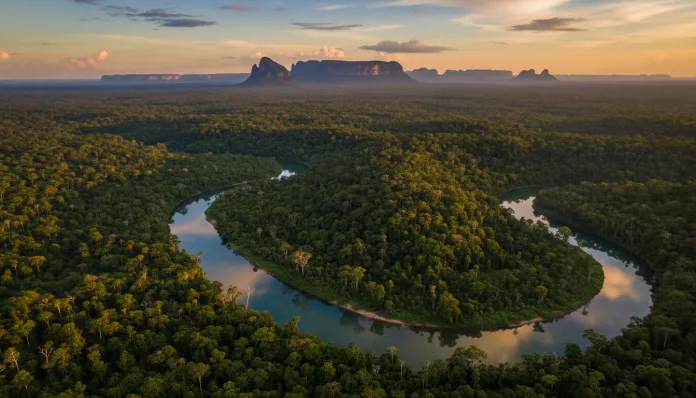
Brazil is home to one of the planet’s greatest biodiversities. Tropical forests harbor still-unknown scientific secrets, plateaus resemble otherworldly landscapes, coastal vegetation advances over the sea, and wetlands overflow with life in every puddle. In this privileged setting, national parks function as official guardians of unique ecosystems—areas protected by law where nature follows its rhythm, and visitors enter as guests.
Brazil has more than 70 national parks spread across all the country’s biomes: Amazon, Cerrado, Caatinga, Atlantic Forest, Pampa, and Pantanal. Together, they protect millions of hectares of territory and offer experiences ranging from high-altitude mountain trails to dives in crystal-clear waters in the heart of Central Brazil. For many Brazilians, these destinations remain unknown—a shame, considering they’re right here nearby.
If you’re thinking of planning a different kind of trip that combines adventure, relaxation, and genuine contact with nature, this guide presents some of the country’s main national parks, what to expect from each one, and practical tips to make the most of every visit.
Chapada Diamantina (BA): The Heartland That Surprises
Located in the interior of Bahia, Chapada Diamantina National Park was created in 1985 and covers about 152,000 hectares. The name comes from the past: the region was the scene of diamond mining in the 19th century, and today guards treasures of another kind—waterfalls, caves, mountain ranges, and cerrado vegetation and rocky fields that enchant any visitor.
Among the most famous attractions are:
- Cachoeira da Fumaça (Smoke Waterfall): with a drop of approximately 340 meters, it’s one of Brazil’s highest; the mist formed on impact with the rocks gave rise to its name
- Poço Encantado and Poço Azul (Enchanted Well and Blue Well): caves with underground lagoons so transparent that, at certain times of day, sunlight creates a hypnotic blue
- Morro do Pai Inácio: natural viewpoint with almost 360-degree panoramic views over the plateau
- Vale do Pati: considered by many guides one of the best treks in South America, with multi-day crossings
The town of Lençóis is the main entry point and offers good infrastructure of inns and restaurants. The best time to visit is between April and September, when rainfall is lower and trails are safer.
Chapada dos Veadeiros (GO): The Cerrado in Its Pure State
In the heart of Brazil, in the state of Goiás, Chapada dos Veadeiros National Park has been a UNESCO World Natural Heritage Site since 2001—and the distinction is well-deserved. The park preserves one of the most significant remnants of ancient cerrado, with quartzite rock formations over one billion years old.
The highlight goes to the waterfalls that cut through the plateau with impressive force. The Rio Preto falls, the Rio Couros waterfalls, and the canyons carved over millennia are attractions that rival any international scenery. The fauna includes maned wolves, giant anteaters, jaguars, and a variety of birds that delight observers.
The town of Alto Paraíso de Goiás serves as a base for most visitors. The park has controlled access and requires advance booking for certain trails, so it’s worth checking the current rules on the ICMBio (Chico Mendes Institute for Biodiversity Conservation) website before traveling.
Lençóis Maranhenses (MA): The Desert That Blooms
Few places in the world cause the same visual perplexity as Lençóis Maranhenses National Park, created in 1981 in Maranhão. There are about 155,000 hectares of white dunes that, between July and September, become dotted with turquoise-blue freshwater lagoons—a phenomenon resulting from early-year rains accumulated between the impermeable dunes.
Technically, Lençóis Maranhenses is not a desert: the region receives regular rainfall and harbors animal and plant life adapted to this unique cycle. The temporary lagoons accumulate fish, which reach the location by means still being studied by science—a mystery that adds layers of fascination to the place.
The most common access is through the town of Barreirinhas. Buggy tours, boat trips on the Preguiças River, and walks through the dunes are the main ways to explore the park. The best time to see the lagoons full is between July and September.
Iguaçu (PR): The Waterfalls No Photo Does Justice
Iguaçu National Park, in Paraná, is Brazil’s most visited and one of the world’s most famous—and for good reasons. Created in 1939 and also recognized by UNESCO as a World Natural Heritage Site (since 1986), the park houses Iguaçu Falls, a set of approximately 275 waterfalls distributed over almost 3 kilometers.
The “Devil’s Throat” is the most impressive point: a horseshoe of falls that forms a water curtain over 80 meters high. The mist produced by the impact is visible for kilometers and keeps the surrounding vegetation permanently moist.
Beyond the waterfalls, the park preserves an important fragment of Atlantic Forest, with jaguars, tapirs, peccaries, and hundreds of bird species. The Argentine side of the falls, accessible from the town of Puerto Iguazú, offers a different and equally spectacular perspective—many visitors combine both sides on the same trip.
The park operates daily and has complete infrastructure, with marked trails, restaurants, and shops. It’s recommended to arrive early to avoid lines and take advantage of morning light for photographs.
Jaú (AM): The World’s Largest Protected Forest
For travelers seeking a real immersion experience in the Amazon, Jaú National Park, in Amazonas, is a destination on another level. With more than 2.2 million hectares, it’s Brazil’s largest national park and one of the world’s largest in protected continuous tropical forest. It was declared a UNESCO World Natural Heritage Site in 2000.
The park is crossed by the Jaú and Carabinani rivers, tributaries of the Negro, and houses extraordinary biodiversity: dolphins, giant otters, caimans, jaguars, manatees, and countless species of fish and birds. Being a remote and hard-to-access area—entry is mainly by boat from Manaus—visitor flow is low, which contributes to ecosystem preservation.
Visiting Jaú National Park requires planning, prior authorization, and preferably the support of tour operators specialized in Amazonian ecotourism. The experience, however, is incomparable for those seeking genuine contact with the living forest.
Fernando de Noronha (PE): The Archipelago Protecting the Atlantic
Technically, Fernando de Noronha is a federal territory formed by 21 islands and islets in the Atlantic, and part of the archipelago is protected by Fernando de Noronha Marine National Park, created in 1988. Together with Rocas Atoll, it comprises a set recognized by UNESCO as a World Natural Heritage Site in 2001.
The park’s marine waters harbor one of the world’s largest populations of spinner dolphins, plus sea turtles, sharks, tuna, rays, and a diversity of corals. Diving and snorkeling in Fernando de Noronha are among Brazil’s best nautical experiences—and frequently appear on international lists of the world’s best diving destinations.
Access is controlled and paid: there’s an environmental preservation fee (TPA) charged per day of stay on the island, and visitor numbers are limited to protect the ecosystem. Book flights and accommodation well in advance, especially for the period between December and March.
Practical Tips for Visiting Brazilian National Parks
Regardless of your chosen destination, some guidelines apply to any national park:
- Make advance reservations: many parks require booking slots for trails and specific areas; always check the ICMBio website
- Respect signage: unmarked trails can be dangerous and their use can result in fines
- Leave no trash: the basic rule is “leave no trace”—what you bring in, you take out
- Hire local guides: besides enriching the experience, tourism with certified guides generates income for surrounding communities and increases safety
- Research the best season: each park has more suitable periods for visitation; rain, floods, and temperature directly affect the experience
- Bring repellent, sunscreen, and water: basic items many people forget that make a huge difference in trail comfort
- Respect wildlife: never feed wild animals; this unbalances natural behavior and can be dangerous
Brazil has landscapes that rival any international destination—and many of them are still underestimated by Brazilians themselves. Discovering these territories is also a way to reconnect with the country’s identity, just as Brazilian music crossed generations carrying the cultural diversity of every corner of the territory.
Conclusion: The Brazil Worth Getting to Know
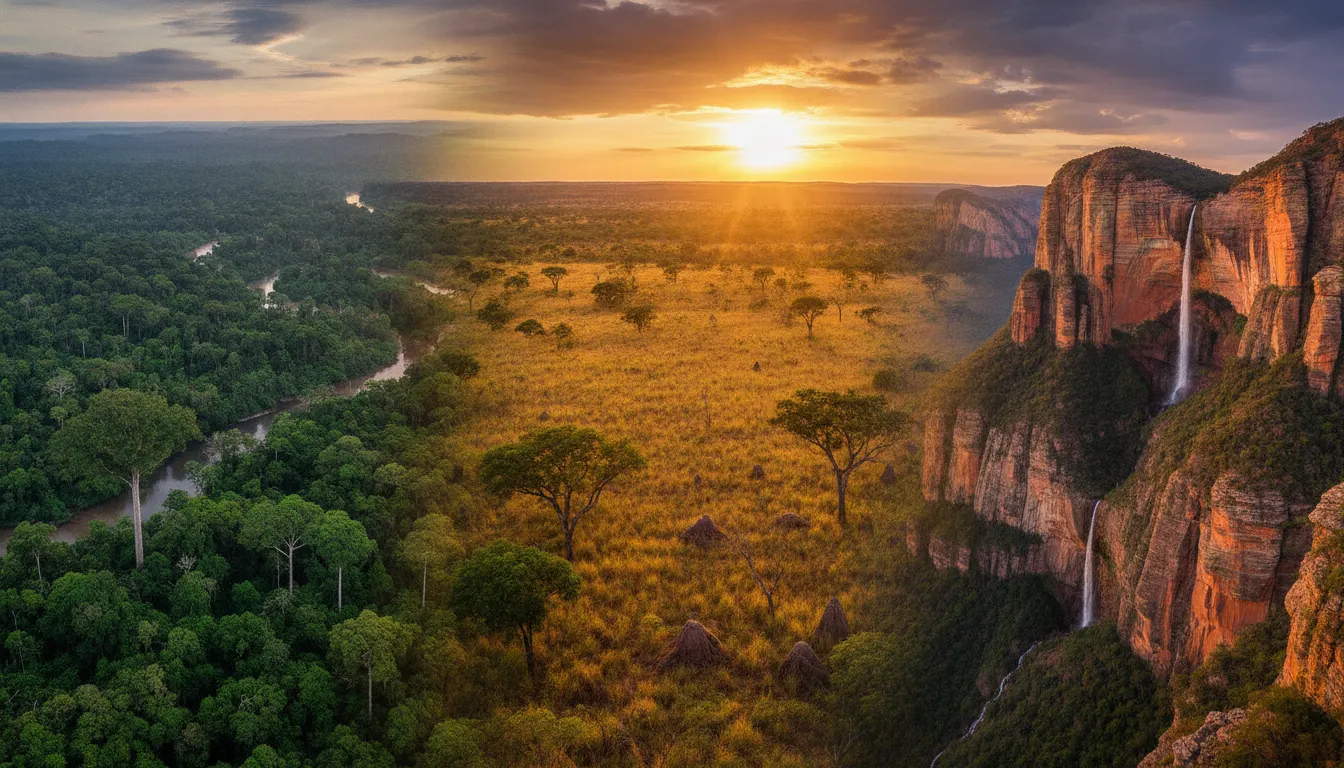
Brazil’s national parks are simultaneously biodiversity reservoirs and invitations to adventure. From the dense humidity of the Amazon to the silence of Maranhão’s dunes, from the force of Iguaçu’s waterfalls to the transparency of Noronha’s waters, each park tells a different story about the territory we inhabit.
Visiting these protected areas isn’t just tourism: it’s also an act of recognition that these places need to exist, be preserved, and be financed by people’s genuine interest. When a traveler pays their entrance fee, hires a local guide, and follows park rules, they directly contribute to keeping that ecosystem standing.
In 2026, with nature tourism growing in Brazil, there have never been such good conditions for planning these trips. The itinerary can start with a destination close to home and gradually advance through biomes and landscapes that clearly prove that the country’s greatest heritage isn’t in any showcase—it’s in the land, water, and air.


