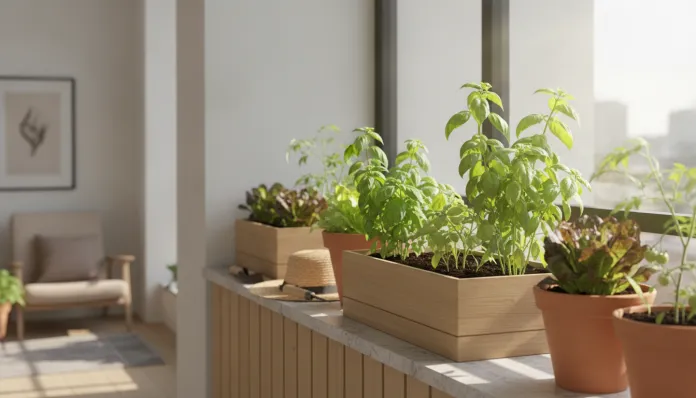
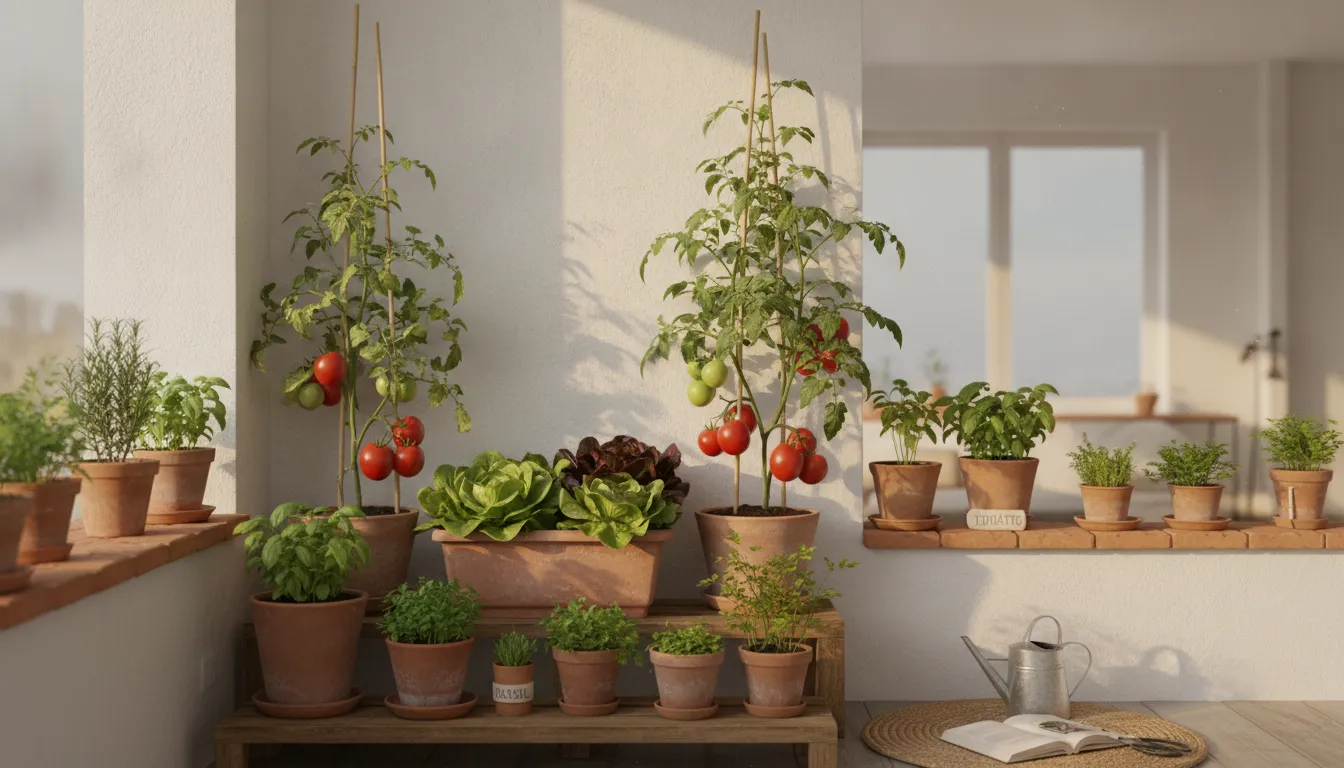
Imagine picking a handful of fresh basil to season your lunch pasta or pulling carrots from your own soil for dinner salad—all without leaving home. It sounds like something from a countryside farm, but the truth is that anyone, even those living in small apartments, can have a functional and productive garden. The interest in home gardens has consistently grown in recent years, driven by the pursuit of healthier eating, the desire to save on groceries, and the almost meditative pleasure of caring for plants.
Starting a home garden doesn’t require a large space, significant investment, or deep technical knowledge. With a bit of planning, the right materials, and some basic understanding of soil, water, and light, anyone can bring this project to life. This guide is designed precisely for that: to show you, step-by-step, how to start from scratch, which plants to choose, and how to keep your garden productive over time.
If you’ve tried before and the plants died, don’t be discouraged. Most beginner mistakes have simple solutions—and we’ll talk about them too. Prepare your hands for the soil, and let’s get started.
Why Having a Home Garden is Worth It
Growing your own food has tangible benefits that go beyond the aesthetic beauty of a green corner at home.
Real savings: Fresh herbs like basil, parsley, and chives are often sold in bunches that wilt quickly in the fridge. Growing at home means having the right amount at the right time, without waste. Short-cycle vegetables like arugula and lettuce also reduce trips to the market.
Control over what you eat: In your own garden, you decide whether to use pesticides, which fertilizer to apply, and how to treat pests. For those concerned about the origin of their food, this control is invaluable.
Mental health: Studies in therapeutic horticulture—an area that investigates the effect of plant contact on human well-being—show that the act of cultivating reduces stress and promotes a sense of purpose. It’s not complicated: caring for something alive, seeing it sprout and harvesting is inherently satisfying.
Everyday sustainability: A home garden can utilize coffee grounds, fruit peels, and vegetable scraps in composting, creating a small sustainable cycle at home.
Choosing the Right Space
Before buying any seeds or pots, look around and identify where sunlight enters your home most intensely. This is the most crucial factor for garden success.
Sunlight: The General Rule
Most vegetables and herbs need at least four to six hours of direct sunlight per day. Balconies facing north (in the southern hemisphere, like Brazil) receive less direct sunlight. Windows and balconies facing east, west, or especially astronomical north tend to be more favorable.
If your apartment has little natural light, don’t give up: there are plant options more tolerant to partial shade, such as chives, mint, and some lettuce varieties. There are also grow lights with specific LED lamps for plants that simulate the solar spectrum, allowing cultivation in indoor environments with insufficient light.
Where to Set Up
Balcony or porch: the ideal environment for most urban gardens. It allows air circulation, sun exposure, and easy management.
Window sill: great for small pots with herbs. Works well for parsley, chives, and basil.
Laundry area: often overlooked, it can receive good light depending on the property’s orientation.
Backyard or garden: those with this space have even more options, including planting directly in the soil.
What You Will Need: Basic Materials
The list of materials to start is simpler than it seems. You don’t need to buy everything at once—start small and expand as your confidence grows.
Containers and Pots
Any container with drainage holes at the bottom can work: clay pots, plastic pots, wooden boxes, buckets with holes, cut PET bottles, milk cartons. The size varies according to the plant:
Herbs (basil, parsley, chives, mint): 1 to 3-liter pots
Lettuce and arugula: 3 to 5-liter pots
Cherry tomato: 10 to 15-liter pots
Bell pepper and eggplant: 15 to 20-liter pots
Soil and Substrate
Do not use pure soil taken from the garden or street—it tends to be compacted and nutrient-poor when placed in a pot. The ideal is a mix of:
Commercial substrate for vegetables (found in agricultural and garden stores)
Worm humus or organic compost (to enrich the soil)
Perlite or coarse sand (to improve drainage)
A functional proportion for beginners: 60% substrate, 30% humus, 10% perlite.
Tools
Small trowel to stir the soil
Watering can with a fine spout (prevents water runoff that dislodges seeds)
Spray bottle (useful in the first weeks after planting)
Labels or masking tape to identify pots
Which Plants to Choose to Start
For beginners, choosing the right plants makes all the difference between getting excited about the results or giving up at the first frustration.
The Easiest and Most Useful
Chives: grows quickly, tolerates partial shade, can be harvested continuously by cutting the tips
Parsley: germinates in about two weeks, widely used in Brazilian cuisine
Basil: loves heat and sun, grows well in small pots, essential for sauces and salads
Mint: practically invasive due to its vigor—be careful not to let it take over other plants’ space
Arugula: short cycle (about 30 days from sowing to harvest), tolerates some shade
Crisp lettuce: versatile, can be harvested leaf by leaf without uprooting the entire plant
A Step Up: Cherry Tomato and Pepper
With a bit more space and attention, cherry tomatoes and different pepper varieties are excellent options for larger pot gardens. Both produce well on sunny balconies and have a longer cycle (but also more rewarding).
Step by Step: Starting Your Garden from Scratch
Choose the space based on sunlight availability—minimum of four hours of direct sun per day.
Decide what to plant starting with two or three easy species, like chives, arugula, and basil.
Prepare the containers and make holes in the bottom if necessary. Place a piece of mesh or pebbles at the base to prevent soil runoff.
Prepare the substrate by mixing soil, humus, and perlite in the indicated proportion.
Sow or use seedlings. Seeds are cheaper, but seedlings (already germinated) speed up the process. For beginners, starting with seedlings purchased from a nursery is a valid strategy.
Water carefully: the soil should be moist but not waterlogged. Insert your finger up to the first knuckle—if it’s still moist, don’t water. If it’s dry, water until it drains from the base of the pot.
Label each pot with the plant’s name and planting date.
Observe daily. In the first days, check for unwanted insects, yellowed leaves, or signs of excess or lack of water.
Fertilize every 15 to 30 days with worm humus or liquid organic fertilizer to maintain productivity.
Harvest frequently: for herbs and leafy greens, regular harvesting stimulates new leaf growth.
Common Problems and How to Solve Them
Even with care, unforeseen issues happen. Knowing how to quickly identify them makes a difference.
Problem
Most Likely Cause
Solution
Yellow leaves
Excess water or lack of nutrients
Reduce watering; fertilize with humus
Wilted plants even with water
Compacted soil, suffocated roots
Repot in a larger container
Holes in leaves
Slugs, caterpillars, or insects
Remove manually; use neem oil spray
White fungi on soil
Excess moisture
Reduce watering, improve ventilation
Leggy plants (thin and elongated)
Lack of light
Move to a brighter location or use grow light
Neem oil spray (made with neem oil diluted in water with mild detergent) is an effective natural pesticide against many pests and can be easily prepared at home.
Tips for Keeping Your Garden Productive Longer
Simple rotation: when a plant finishes its cycle, replace it with another species in the same pot, renewing the substrate.
Compost at home: coffee grounds, banana peels, eggshells, and raw vegetable scraps can be composted in compact worm bins, ideal for apartments.
Avoid watering at night—nighttime humidity favors fungi. The best time is in the morning.
Pinch basil flowers: when the plant flowers, it directs energy to seeds and the leaves become less flavorful. Remove flower buds as soon as they appear.
If you’re traveling, watering timers and reservoir systems are available in gardening stores to solve short-term absence issues.
Conclusion
Starting a home garden is one of the most accessible and rewarding projects anyone can undertake at home. With a few pots, well-prepared substrate, and attention to sunlight, you can produce fresh herbs and greens year-round, regardless of whether you live in an apartment or have a backyard.
The secret is to start small, with easy plants, and learn through daily observation. Each mistake will teach something about the balance between water, light, and nutrients—and each harvest will bring genuine satisfaction. Over time, the garden will grow alongside the gardener’s confidence.
Para fornecer as melhores experiências, usamos tecnologias como cookies para armazenar e/ou acessar informações do dispositivo. O consentimento para essas tecnologias nos permitirá processar dados como comportamento de navegação ou IDs exclusivos neste site. Não consentir ou retirar o consentimento pode afetar negativamente certos recursos e funções.
Funcional
Always active
O armazenamento ou acesso técnico é estritamente necessário para a finalidade legítima de permitir a utilização de um serviço específico explicitamente solicitado pelo assinante ou utilizador, ou com a finalidade exclusiva de efetuar a transmissão de uma comunicação através de uma rede de comunicações eletrónicas.
Preferências
O armazenamento ou acesso técnico é necessário para o propósito legítimo de armazenar preferências que não são solicitadas pelo assinante ou usuário.
Estatísticas
O armazenamento ou acesso técnico que é usado exclusivamente para fins estatísticos.O armazenamento técnico ou acesso que é usado exclusivamente para fins estatísticos anônimos. Sem uma intimação, conformidade voluntária por parte de seu provedor de serviços de Internet ou registros adicionais de terceiros, as informações armazenadas ou recuperadas apenas para esse fim geralmente não podem ser usadas para identificá-lo.
Marketing
O armazenamento ou acesso técnico é necessário para criar perfis de usuário para enviar publicidade ou para rastrear o usuário em um site ou em vários sites para fins de marketing semelhantes.