
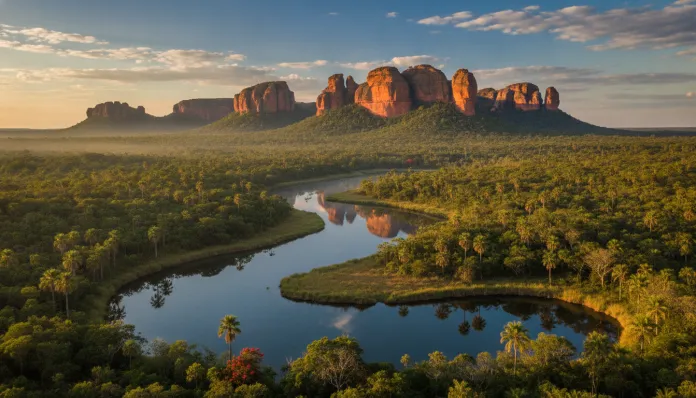
Brazil is one of the countries with the greatest biodiversity on the planet — much of this richness is preserved in its national parks. There are over 70 federal conservation units spread across the territory, from the Amazon to Rio Grande do Sul, each guarding unique ecosystems, breathtaking landscapes, and species that exist nowhere else in the world. For those who want to travel with purpose, connect with nature, and experience unforgettable memories, these destinations are unbeatable.
The good news is that visiting national parks in Brazil is more accessible than many people imagine. Many of them have infrastructure such as trails, visitor centers, and services from accredited guides. Others are more remote and require planning — but precisely because of this, they offer that rare feeling of being in a genuinely untouched place. Whether for trekking, bird watching, diving, waterfalls, or simply contemplation, there is a Brazilian national park for every type of traveler.
In this guide, we have gathered some of the most impressive national parks in the country, with practical information on what to expect in each one. Pack your backpack (and sunscreen).
Chapada Diamantina (BA): The Heart of Wild Bahia
Located in the central-western part of Bahia, the Chapada Diamantina National Park is one of the most visited ecotourism destinations in Brazil. Created in 1985, the park covers an area of approximately 152,000 hectares and features a landscape of mountains, caves, crystal-clear rivers, and monumental waterfalls.
The Fumaça Waterfall, with about 340 meters of free fall, is one of the largest in the country and has appeared in international rankings of natural beauties. The Poço Encantado and Poço Azul are flooded caves with water so transparent that sunlight creates magical visual effects — and can only be visited at certain times of the year when the sun’s angle allows light to enter. Morro do Pai Inácio offers one of the most photographed panoramic views in Brazil.
The city of Lençóis is the main gateway and has a good range of inns, restaurants, and tourism agencies with guides accredited by ICMBio (Chico Mendes Institute for Biodiversity Conservation). Trails for all fitness levels are available.
Lençóis Maranhenses (MA): The Blooming Desert
Those who think that the Lençóis Maranhenses National Park is just a sand desert are mistaken. Created in 1981 and covering an area of about 155,000 hectares, the park is made up of extensive white dunes that, between July and September, are dotted with turquoise-blue freshwater lagoons — the result of rains that fall between January and June and are trapped between the impermeable dunes.
The result is one of the most surreal and exclusive landscapes on the planet. There is nothing like it in the world. The most famous lagoons are Lagoa Azul and Lagoa Bonita, but the park has dozens of them scattered across a territory that seems straight out of a science fiction movie.
Access is from the cities of Barreirinhas, Santo Amaro, or Atins. Jeep, quad bike, and boat tours on the Rio Preguiças are common. The best period to visit is from July to September when the lagoons are full. Outside this window, the experience is different — the dunes remain impressive, but the lagoons may be dry or have little water.
Iguaçu (PR): One of the Seven Natural Wonders of the World
The Iguaçu Falls need little introduction. Elected one of the seven natural wonders of the world in 2011, they are located in the Iguaçu National Park, created in 1939 and declared a Natural Heritage of Humanity by UNESCO in 1986. There are 275 waterfalls distributed over almost 3 kilometers, with the iconic Devil’s Throat at the center — where the force of the water is so intense that the spray wets visitors even from dozens of meters away.
The Brazilian park offers trails along the edges of the falls, with suspended walkways over the Iguaçu River. The Argentine side of the park is also accessible and offers a different perspective, from within the falls. Both sides are worth visiting — they are complementary experiences.
In addition to the falls, the park is one of the last refuges of the Atlantic Forest in southern Brazil and is home to endangered species such as the jaguar and the yellow-throated caiman. The tourist operation is well-structured, with electric buses, restaurants, and accredited guides.
Fernando de Noronha (PE): Submarine and Above-Water Paradise
The Fernando de Noronha Marine National Park is different from all the others on this list: it is located in an archipelago in the Atlantic, about 350 kilometers off the northeastern coast. Created in 1988 and also recognized as a Natural Heritage of Humanity by UNESCO, the park protects marine ecosystems of extraordinary richness — corals, spinner dolphins, sea turtles, tuna, lemon sharks, and hundreds of fish species.
Sancho Bay is often cited as one of the most beautiful beaches in the world, with transparent water, reddish cliffs, and abundant marine life. Diving and snorkeling in Noronha are considered among the best in Brazil and South America.
Access is by plane from Recife or Natal. The number of visitors is controlled — a Progressive Environmental Preservation Fee (TPA) must be paid, which increases with the number of days of stay. This restriction ensures that the experience is always special but requires advance planning, especially in the high season (December to March).
Chapada dos Veadeiros (GO): The Cerrado in Its Pure State
In the heart of the Central Plateau, the Chapada dos Veadeiros National Park is one of the most important representatives of the Cerrado, the second-largest biome in South America and one of the most threatened. A Natural Heritage of Humanity since 2001, the park was expanded in 2017 and now covers an area of approximately 240,000 hectares.
The park is famous for its crystal-clear waterfalls and falls in quartzite canyons — a rock that shines in the sun and gives the landscapes an almost mystical appearance. The Saltos do Rio Preto, with drops of 80 and 120 meters, are the stars of the itinerary. The biodiversity is impressive: maned wolves, giant anteaters, macaws, and hundreds of orchid species live in the region.
The city of Alto Paraíso de Goiás is the main base for visitors. Access to the trails is regulated by ICMBio, and most trails require the accompaniment of an accredited guide. The dry period (from May to September) is the most recommended for visits, as the trails are safer.
If the theme of natural wonders interests you, you might also enjoy Why These Mysterious Places in the World Intrigue Everyone.
Serra da Canastra (MG): The Source of the São Francisco
In the southwest of Minas Gerais, the Serra da Canastra National Park holds one of Brazil’s most symbolic geographical curiosities: the source of the São Francisco River, the “Old Chico,” which runs for over 2,800 kilometers before flowing into the Atlantic. Created in 1972, the park covers an area of about 200,000 hectares of high-altitude Cerrado.
The Casca d’Anta Waterfall, with a drop of 186 meters, is one of the largest in the country and the park’s main attraction. The place is also a hotspot for wildlife observation: maned wolves, giant anteaters, the critically endangered merganser duck, and tapirs are frequently spotted by those with patience and luck.
The cities of São Roque de Minas and Sacramento are the main access points. The region is also known for the production of Canastra cheese, a product with recognized Geographical Indication — a good excuse to combine nature with local gastronomy.
Practical Tips for Visiting Brazilian National Parks
Before choosing your destination, check out some general guidelines that apply to any national park:
- Check with ICMBio before going: the official website (icmbio.gov.br) provides updated information on operations, hours, open trails, and rules for each park.
- Book in advance: highly sought-after parks, like Noronha and Iguaçu Falls, have limited visitor capacity per day.
- Hire accredited guides: in many parks, long or remote trails require a guide by law. Besides safety, the guide enriches the experience with local knowledge.
- Carry only what is necessary and leave nothing behind: zero waste is the rule. No waste should be left on the trails.
- Respect the wildlife: do not feed wild animals and maintain a safe distance.
- Check the best time of year: heavy rains can close trails and make access difficult. Each park has its ideal calendar.
- Use biodegradable sunscreen and repellent: especially in parks with rivers, waterfalls, and lagoons, conventional products can harm aquatic life.
- Have travel insurance: in remote areas, medical assistance may be far away.
Conclusion: Brazil’s Untamed Wilderness
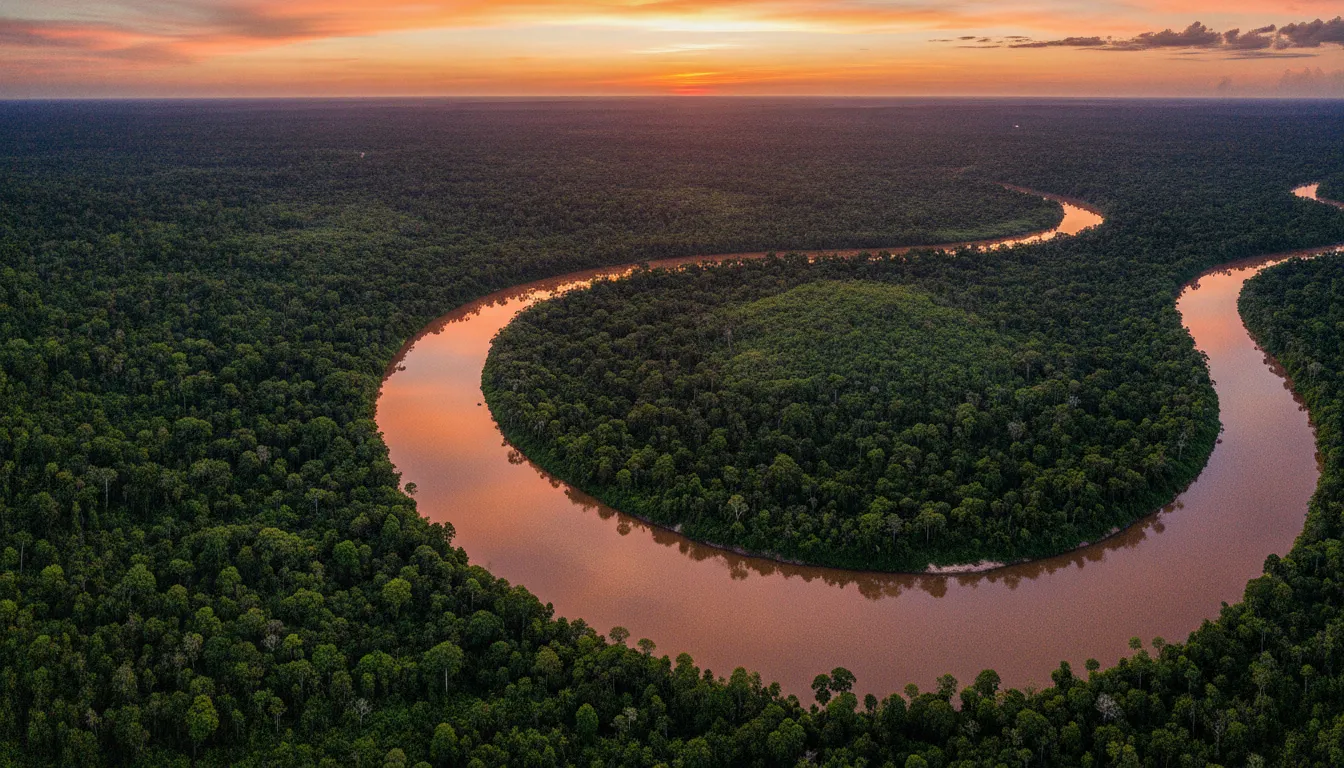
Visiting a Brazilian national park is more than tourism — it’s a way to reconnect with something greater, to understand the scale of what the country still preserves, and to realize how worth it is to protect it. Each park tells a different story: of the people who lived there, of the geologists who mapped those rocks, of the biologists who cataloged those species, of the activists who fought so those areas wouldn’t be destroyed.
From the Cerrado to the Atlantic, from the Amazon to the Atlantic Forest, from the coast to the Cerrado of the Plateau, Brazil has landscapes for decades of responsible exploration. The next adventure might be closer than you think — and maybe it’s time to discover what your own country has to offer before looking elsewhere.
Happy trails.
- Book in advance: highly sought-after parks, like Noronha and Iguaçu Falls, have limited visitor capacity per day.


