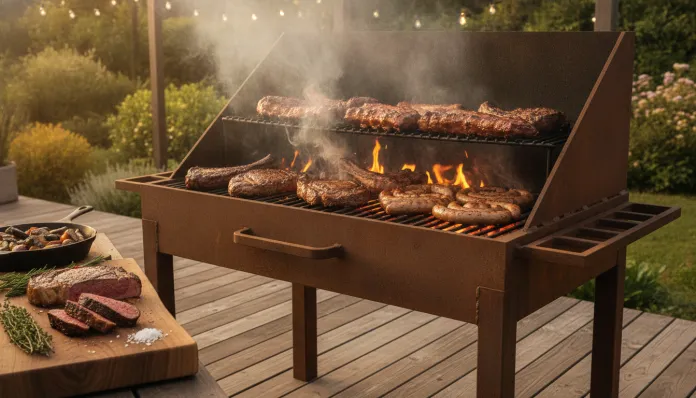
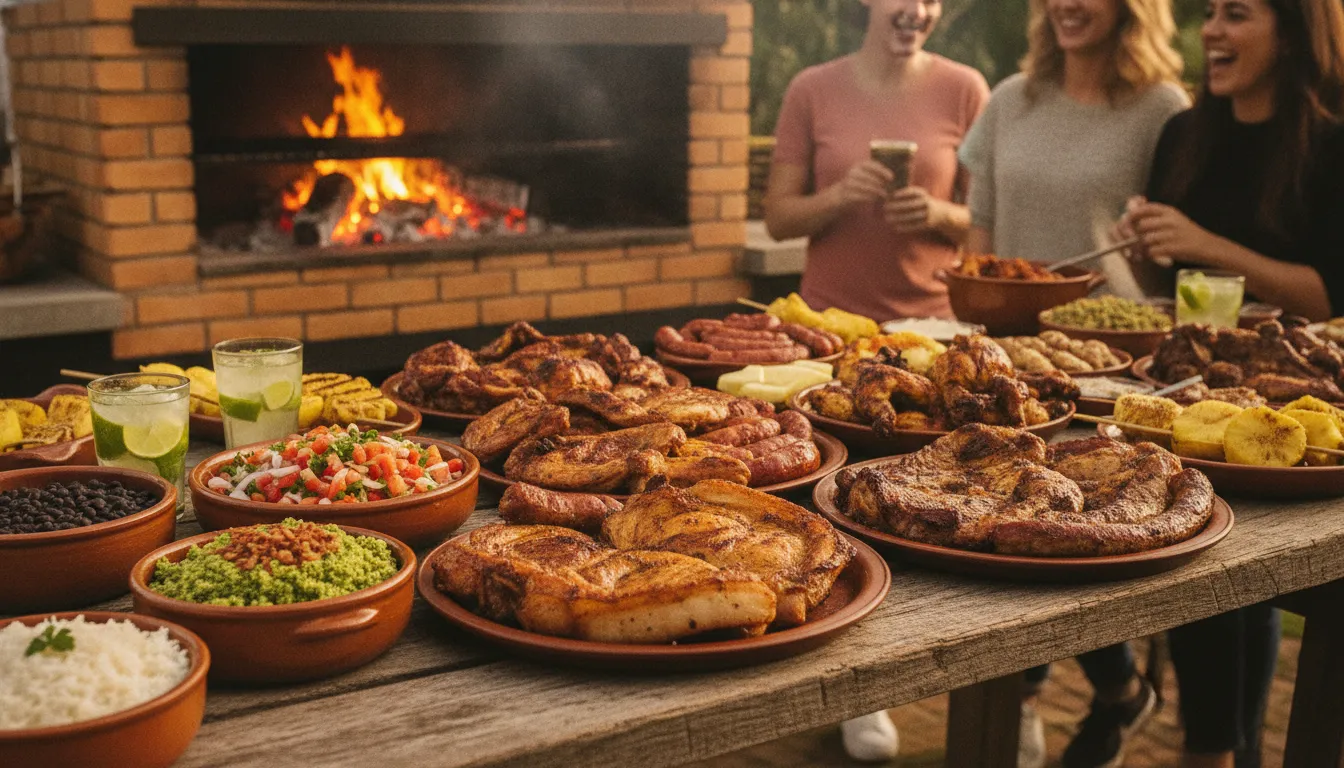
Few things bring family together, gather friends, and transform an ordinary Sunday into cherished memories like a barbecue. In Brazil, this ritual holds significant cultural weight. Whether in a backyard, a condominium grill, or an impromptu campsite, the art of grilling meat over coals is taken seriously by many. However, it’s also surrounded by doubts, myths, and repeated mistakes passed down through generations.
The good news is that creating a truly great barbecue doesn’t require innate talent or expensive equipment. The key is understanding some basic principles—from selecting the right meat to achieving the perfect doneness for each cut—and applying them with care and patience. After all, a rushed barbecue rarely ends well.
This guide offers a complete roadmap: from initial planning to serving, covering coal lighting, seasoning, grilling time, and common mistakes that can ruin even the best cuts of meat. Ready to dive in? Let’s go!
Planning: The BBQ Begins Before the Fire
The biggest mistake when organizing a barbecue is underestimating the planning. Before lighting any coals, several things need to be decided in advance—preferably at least a day ahead.
Meat Quantity Per Person
A common question is: how much meat to buy? The general rule practiced by experienced grillers is to calculate between 400 and 500 grams of meat per adult, considering a variety of cuts. If the event is longer or there are many adult men in the group, it’s wise to increase to 500 to 600 grams. Children usually consume half that amount.
This calculation includes the natural weight loss of meat during cooking—a piece can lose between 20% and 30% of its weight on the grill, depending on the cut and desired doneness.
Essential Shopping List
Main meats: picanha, flank steak, ribs, sausage
Complementary meats: chicken (thigh and drumstick), garlic bread
Coarse salt: the classic and most effective seasoning
Charcoal: calculate about 1.5 kg to 2 kg of charcoal per hour of active grilling
Newspaper or natural fire starter: to start the fire
The diversity of Brazilian cuts is one of the riches of national barbecue. Each piece has its own characteristics of fat, texture, and cooking time—and knowing how to combine them is part of the art.
The Most Popular Cuts and Their Particularities
Cut
Characteristic
Average Grill Time
Picanha
Generous fat, tender, flavorful
30 to 40 min (skewer)
Flank Steak
Long fibers, juicy
20 to 30 min
Ribs
Requires time and patience
4 to 6 hours (low heat)
Tri-Tip
Tender, good for those who prefer less fat
25 to 35 min
Sausage
Quick, always a hit
15 to 20 min
Thigh/Drumstick
Versatile and cost-effective
40 to 50 min
The picanha is undoubtedly the cut most associated with Brazilian barbecue. A good picanha weighs between 1 kg and 1.2 kg—larger pieces may actually be part of another cut (like the top sirloin) sold under the wrong name. Check the fat cap: it should be uniform, white, and 1 to 1.5 cm thick.
The Secret to Perfect Coals
Many people confuse bonfire with coals. High flames burn the surface of the meat without cooking it inside, drying out the fibers and producing bitter smoke. Ideally, always work with coals, not flames.
How to Light Charcoal Properly
Arrange the charcoal in a pyramid shape in the center of the grill
Place crumpled newspaper underneath or use a gel-based fire starter (never liquid alcohol, which is dangerous)
Light the paper and wait for the charcoal to gradually catch fire
Wait between 30 and 45 minutes until most pieces are covered with white ash—this indicates ready coals
Spread the coals as needed: more concentrated coals for meats needing intense heat, more spread out for slow cooking
Grill Temperature: The Hand Test
A simple method to assess grill temperature is the hand test: position your palm about 10 cm from the grill and count how many seconds you can hold it without discomfort.
2 to 3 seconds: high heat (ideal for searing)
4 to 5 seconds: medium heat (ideal for most meats)
6 to 7 seconds: low heat (ideal for ribs and chicken)
Seasoning Without Overdoing It
Seasoning is a fertile ground for debates. Some use only coarse salt, while others opt for elaborate marinades. The truth is, the right answer depends on the cut.
For premium cuts like picanha and flank steak, coarse salt applied before grilling is sufficient and recommended. Coarse salt creates a protective crust on the surface and enhances the meat’s natural flavor. After grilling, shake off the excess before slicing.
For chicken and sausage, marinades with garlic, lemon, olive oil, and herbs work well and help retain moisture during longer cooking.
Important tip: avoid using fine salt directly on raw meat too far in advance, as it dissolves quickly and can dry out the fibers through osmosis—the process by which salt draws liquid from the meat.
On the Grill: Timing, Distance, and Patience
The greatest virtue of a good griller is patience. Moving the meat too much, flipping it multiple times, pressing it with a fork—all these actions harm the final result.
Order of Meat Entry
Ribs (if making): start first, initially with low coals and covered if possible
Sausage: start early, as it takes time and is a great snack while the rest grills
Chicken: follows next, with medium heat and away from direct coals
Picanha and flank steak: enter last, with more intense coals
Garlic bread: in the last 10 minutes, on the edge of the grill
How to Identify Meat Doneness
Rare (medium-rare): meat yields significantly to touch, warm red interior
Medium: slight resistance to touch, pink interior
Well done: firm to touch, no pink interior
For those who prefer precision, a meat thermometer eliminates any doubt. Reference internal temperatures:
Beef medium: about 60°C to 65°C in the center
Chicken: minimum of 74°C at the thickest point (food safety)
Classic Mistakes That Ruin a BBQ
Knowing the most common mistakes is as important as knowing the right steps:
Piercing the meat with a fork: releases juices and dries out the cut. Always use tongs
Cutting the meat immediately after removing from the grill: wait 5 to 10 minutes for juices to redistribute through the fibers—this rest is called “meat resting”
Placing cold meat directly on the grill: remove meat from the fridge at least 30 minutes in advance to bring it closer to room temperature
Using coals with too much smoke: poor quality or improperly lit charcoal produces excessive smoke that makes the meat bitter
Neglecting hygiene: boards and utensils that touch raw meat should not contact cooked meat—real risk of contamination
Side Dishes That Make a Difference
A complete barbecue goes beyond the meat. Side dishes balance flavors, aid digestion, and ensure everyone has options—even those who eat less meat.
Vinaigrette: tomato, onion, bell pepper, parsley, vinegar, and olive oil. Simple and indispensable
Farofa: can be simple (butter, garlic, and salt) or elaborate with bacon, eggs, and herbs
Garlic bread: versatile and always welcome
Green salad: leaves, cherry tomatoes, and a light dressing
Rice: very common in Brazilian barbecue, especially in larger gatherings
Cooked or fried cassava: a popular choice that pairs well with all cuts
For drinks, cold beer is a tradition, but soft drinks, natural juices, and sparkling water also deserve a place on the table—especially on hot days.
Conclusion: BBQ is Technique and Affection
Creating a perfect barbecue is a sum of small correct decisions: the right meat, coals at the right point, salt at the right time, the patience not to over-handle. None of these steps require magical skill—just attention and practice.
Over time, each griller develops their own rhythm and preferences. Some swear by generous coarse salt before the fire; others prefer to season afterward. Some focus on hours-long ribs; others on quick, juicy picanha. There’s no single truth—only what works well and what works for your group.
What never changes is the spirit of the barbecue: bringing people together, creating a moment of relaxation and pleasure, and putting something made with dedication on the table. And if next time you sit at the table with family or friends, it might be worth remembering that this collective pleasure around food is deeply human—just as soccer unites crowds around the same feeling, as told in the story How Soccer Emerged and Conquered the World.
Now just light the coals, be patient, and enjoy. Happy grilling!
Para fornecer as melhores experiências, usamos tecnologias como cookies para armazenar e/ou acessar informações do dispositivo. O consentimento para essas tecnologias nos permitirá processar dados como comportamento de navegação ou IDs exclusivos neste site. Não consentir ou retirar o consentimento pode afetar negativamente certos recursos e funções.
Funcional
Always active
O armazenamento ou acesso técnico é estritamente necessário para a finalidade legítima de permitir a utilização de um serviço específico explicitamente solicitado pelo assinante ou utilizador, ou com a finalidade exclusiva de efetuar a transmissão de uma comunicação através de uma rede de comunicações eletrónicas.
Preferências
O armazenamento ou acesso técnico é necessário para o propósito legítimo de armazenar preferências que não são solicitadas pelo assinante ou usuário.
Estatísticas
O armazenamento ou acesso técnico que é usado exclusivamente para fins estatísticos.O armazenamento técnico ou acesso que é usado exclusivamente para fins estatísticos anônimos. Sem uma intimação, conformidade voluntária por parte de seu provedor de serviços de Internet ou registros adicionais de terceiros, as informações armazenadas ou recuperadas apenas para esse fim geralmente não podem ser usadas para identificá-lo.
Marketing
O armazenamento ou acesso técnico é necessário para criar perfis de usuário para enviar publicidade ou para rastrear o usuário em um site ou em vários sites para fins de marketing semelhantes.