
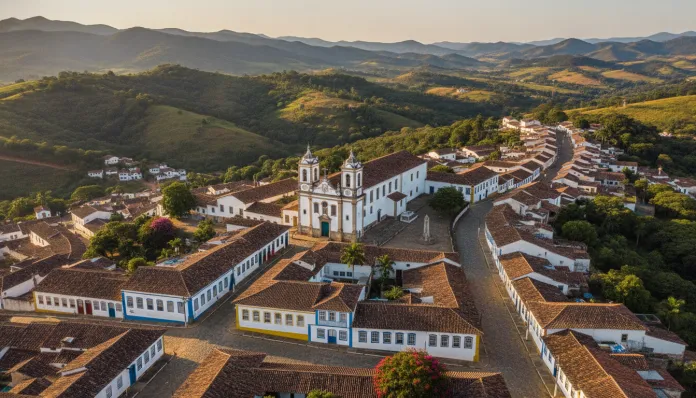
Brazil holds, scattered across its vast territory, true architectural and cultural gems that have withstood the test of time and the country’s transformations. Cities founded in the 16th, 17th, and 18th centuries still preserve baroque churches, colonial mansions, stone-paved streets, and traditions that tell the story of a people—and a nation formed through blood, faith, gold, and resilience. For those seeking a soulful journey, these cities offer something rare: the feeling of walking through history.
Unlike tourism focused on beaches or urban gastronomy, visiting a historic city is diving into layers of time. Every corner may hide a story of slavery, religious devotion, colonial wealth, or revolution. And the best part: many of these cities are accessible, compact for exploring on foot, and filled with charming inns, surprising museums, and popular festivals that have been ongoing for centuries.
If you haven’t yet visited these destinations—or want more reasons to return—this guide gathers some of Brazil’s most significant historic cities, highlighting what makes each one special and why they are worth every mile traveled.
Ouro Preto (MG): The Queen of Brazilian Baroque
No list of Brazilian historic cities begins without Ouro Preto. Founded at the end of the 17th century, the city was the epicenter of the gold cycle in Minas Gerais and became one of the richest and most populous in the Americas in the 18th century. In 1980, it was declared a World Heritage Site by UNESCO—the first Brazilian city to receive this title.
What impresses in Ouro Preto is not just the number of baroque churches (there are more than a dozen), but the artistic quality of each one. The Church of São Francisco de Assis, with its sculptures and paintings attributed to Aleijadinho (Antônio Francisco Lisboa) and Mestre Ataíde, is considered one of the masterpieces of baroque art in the world. The Museum of the Inconfidência, housed in the former House of Chamber and Jail, holds relics of the 1789 Mineira Conspiracy, including the remains of Tiradentes.
The city is also home to important educational institutions, such as the Federal University of Ouro Preto (UFOP), giving it a unique atmosphere: a mix of heavy history and vibrant youth, especially during carnival and June festivals.
Paraty (RJ): Where Time Stands Still Between Mountains and Sea
Located on the Costa Verde of Rio de Janeiro, Paraty is a rare case of almost complete preservation of a colonial historic center. Founded in the 17th century, the city was an important port for the gold flowing from Minas Gerais to Portugal. When the mining cycle declined, Paraty was somewhat forgotten by progress—and this isolation ended up being its architectural salvation.
In 2019, Paraty—together with Ilha Grande—was inscribed on the UNESCO list as a Mixed World Heritage Site (natural and cultural), recognition that values both its colonial architecture and its biodiversity in the Atlantic Forest.
The historic center is completely closed to motor vehicles and has cobblestone streets that flood during high tide—a peculiar and charming phenomenon. Besides cultural tourism, Paraty is famous for its artisanal cachaça (“paratiense” is a traditional denomination), the Paraty International Literary Festival (FLIP), and the hundreds of islands and beaches surrounding the city.
São Luís (MA): The Tiles That Tell Stories
São Luís is the only Brazilian capital founded by the French—in 1612—and later contested and taken by the Dutch before being definitively incorporated into Portuguese rule. This diverse history left marks on local culture, architecture, and even cuisine.
The historic center of São Luís, listed by UNESCO in 1997, is known as the “city of tiles”: hundreds of colonial buildings have their facades covered with Portuguese tiles from the 18th and 19th centuries, creating a unique urban landscape in Brazil. It’s common to stroll through the streets of the Praia Grande neighborhood and feel transported to a tropical Lisbon.
But São Luís doesn’t live only on architectural past. The city is considered the world capital of reggae—a cultural identity built from the 1970s when the Jamaican genre was fervently adopted by the local population. The Bumba meu Boi, a popular festival with Afro-Indigenous-European roots, is another cultural pillar of enormous strength in the city.
Olinda (PE): The Capital That Resisted the Dutch
A few kilometers from Recife, Olinda was founded by the Portuguese in 1535 and burned by the Dutch in 1631—but rebuilt and preserved with impressive tenacity. In 1982, its historic ensemble was declared a World Heritage Site by UNESCO.
Olinda is a city of hills covered with churches, convents, and colorful houses that spread over the Atlantic like a living painting. The Monastery of São Bento, founded in the 16th century, is one of the oldest in Brazil and holds paintings and gilded carvings of great historical value.
The Olinda Carnival is one of the most celebrated in the country: the giants—huge puppets representing popular and historical figures—parade through the narrow streets, and frevo and maracatu take over the streets for days. It’s a festival that mixes art, politics, irony, and joy in an unmistakable way.
Goiás Velho (GO): The City Saved by Heritage
The former capital of the state of Goiás, known simply as Goiás or Goiás Velho, is one of the best-preserved historic cities in the Brazilian Midwest. Founded in the early 18th century during the gold rush, the city maintains a notable colonial architectural ensemble and a pace of life seemingly indifferent to the rush of the 21st century.
In 2001, the historic center of Goiás was inscribed by UNESCO as a World Heritage Site. The city is small—has just over 20,000 inhabitants—but is crossed by the Vermelho River and filled with museums, churches, and traditions. The Fogaréu Procession, held during Holy Week, is one of the oldest and most moving in Brazil: a nighttime walk with hundreds of torches lighting the stone streets.
The writer Cora Coralina, one of the most beloved voices in Brazilian literature, was born in Goiás in 1889 and lived much of her life in the city. Her house, on the banks of the Vermelho River, is now a museum that attracts visitors from all over the country.
Diamantina (MG): Where Diamonds Shaped a Culture
Less visited than Ouro Preto, Diamantina is a revelation for those who reach it at the top of the Espinhaço Range, in northern Minas Gerais. Founded in the early 18th century, it was the main center for diamond extraction in colonial Brazil, giving it particular wealth—and such strict oversight by the Portuguese Crown that the city was isolated from the rest of the country for decades.
This isolation preserved its architecture and musical culture. In 1999, Diamantina was recognized as a World Heritage Site by UNESCO. Its streets have unique characteristics: the houses have balconies with coverings that extend over the sidewalks, creating covered corridors known as “alpendres” or “eaves-hats”.
The city is also the birthplace of former president Juscelino Kubitschek, whose remains are in the JK Memorial in Brasília, but whose memory is alive in Diamantina. The serenades, a local musical tradition that mixes guitars, voices, and emotion, happen regularly on the streets and are an unforgettable experience.
Practical Tips for Visiting Historic Cities
Regardless of which destination you choose, some guidelines make the visit much richer:
- Wear comfortable shoes: most historic cities have irregular cobblestone streets, which are beautiful but require sturdy soles.
- Prefer visiting museums and churches in the morning: besides avoiding the heat, you find fewer lines and better natural light for photographs.
- Talk to local residents: they know stories not found in any tourist guide.
- Respect religious spaces: many churches are still active; observe silence and dress codes when necessary.
- Check festival dates before traveling: events like the Olinda Carnival, FLIP in Paraty, or Fogaréu in Goiás can transform a regular visit into an unforgettable experience—but also require booking accommodations in advance.
- Hire local guides: in cities like Ouro Preto and Diamantina, a licensed guide radically transforms your understanding of what you see.
- Respect the heritage: do not touch artworks, do not remove stones or decorative elements, and follow museum guidelines.
Conclusion: Traveling Into Brazil’s History
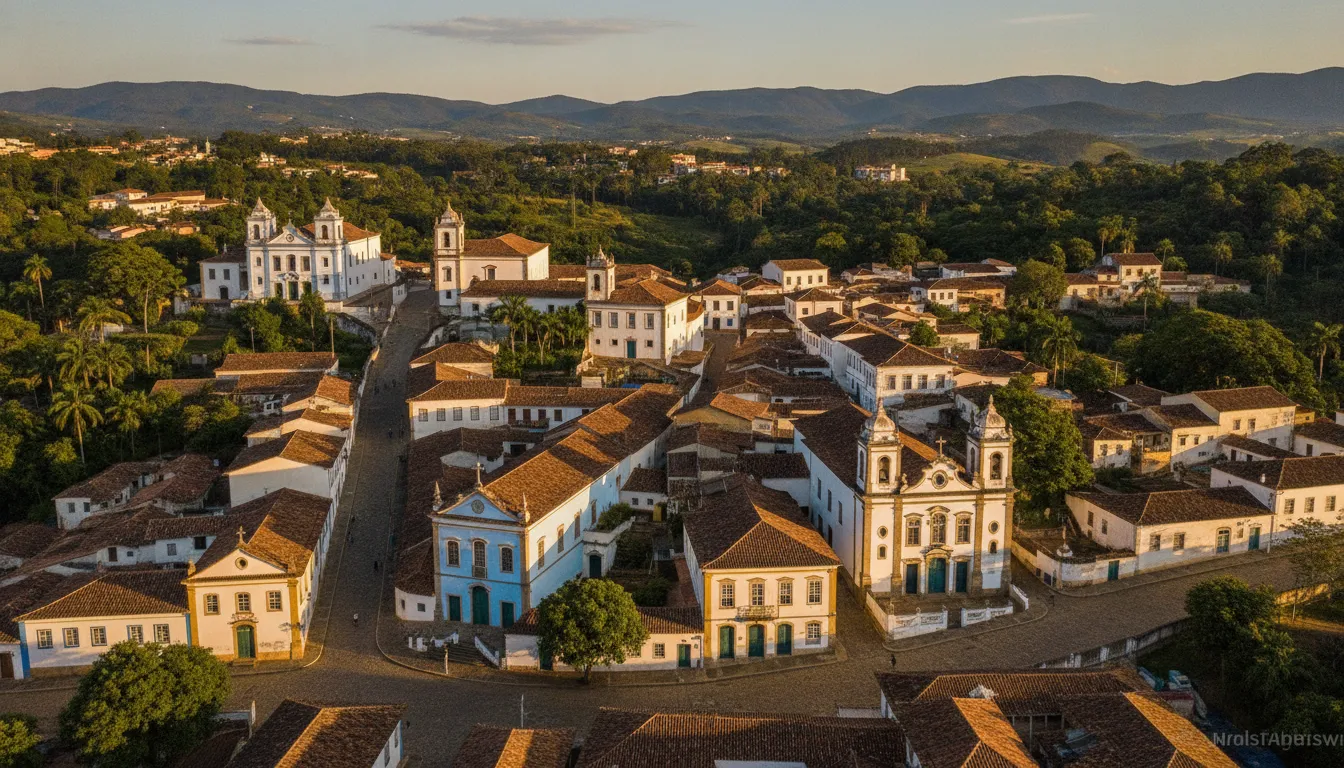
Visiting Brazilian historic cities is, above all, an exercise in belonging. Each tile-covered wall in São Luís, each baroque carving in Ouro Preto, each serenade in Diamantina, or each giant papier-mâché figure in Olinda’s carnival is a living fragment of a collective history—often painful, other times exuberant, always complex.
Brazil is a country of continental dimensions and impressive cultural diversity. Its historic cities are like windows into different chapters of this book still being written. Visiting them is not just tourism: it is recognizing who we are, where we came from, and how much there is still to discover within our own borders.
If you are planning your next trip and want to combine culture, history, and genuine human experience, these cities await you—with their stones, their stories, and their own time. Historical Brazil is not just in books. It is alive, resisting, and inviting.
- Prefer visiting museums and churches in the morning: besides avoiding the heat, you find fewer lines and better natural light for photographs.


