
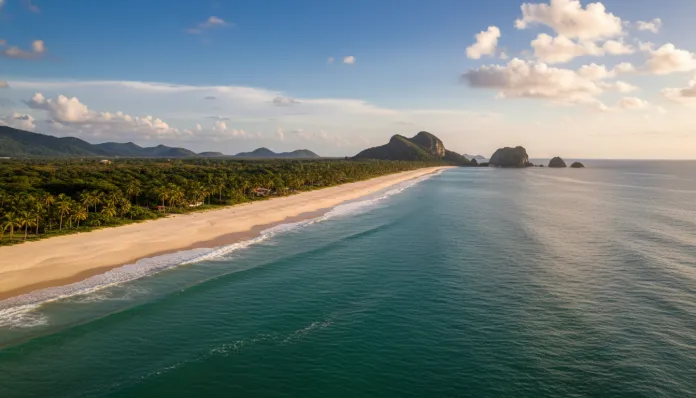
Brazil boasts about 7,400 kilometers of coastline — one of the longest in the world — and along this stretch are some of the most stunning beaches on the planet. From north to south, the country offers radically different landscapes: crystal-clear and warm waters in the Northeast, wild seascapes in the South, and unique tropical beauty at the mouth of the Amazon. But which beaches truly deserve the title of “Brazil’s most beautiful”?
The answer depends on what you’re looking for. For those seeking transparent waters and talcum-powder-like white sand, the destination differs from those who prefer giant dunes, natural pools, or perfect surfing waves. The fact is, Brazil boasts a geographic and climatic diversity that few countries can match when it comes to beaches. Here’s a guide to the most recognized coastal jewels in the national territory.
The Northeast: Paradise of Warm and Clear Waters
When it comes to Brazilian beaches of incomparable beauty, the Northeast is almost always the first name to come up — and for good reasons. The combination of sunny weather for much of the year, water temperatures above 26°C, and coral reefs forming natural pools make the region unique on the national scene.
Barreiras and Morro de São Paulo (BA)
Bahia is home to some of Brazil’s most famous destinations. Morro de São Paulo, located on Tinharé Island in southern Bahia, is accessible only by boat or plane and offers car-free beaches, with dirt paths and emerald-green seas. The beaches are numbered — First Beach, Second Beach, Third Beach — each with distinct characteristics, from the busiest to the most tranquil.
Jericoacoara (CE)
Recognized for decades as one of the world’s most beautiful beaches by various international travel publications, Jericoacoara is a village nestled within a national park in Ceará. Access still requires a journey through sand dunes — part of the place’s charm. The sunset over the Sunset Dune is one of Brazil’s most photographed natural spectacles. The Jijoca Lagoon, near the village, complements the scene with its emerald waters.
Praia dos Carneiros (PE)
On the southern coast of Pernambuco, Praia dos Carneiros is famous for its combination of coconut groves, coral reefs, and a small 18th-century church — the Chapel of Santo Aleixo — which is practically in the sea during high tide. It’s one of the most iconic postcards of the Northeast.
Fernando de Noronha: The Archipelago That Rivals Any Place in the World
If there is a consensus among tourists, experienced travelers, and tourism experts, it is that Fernando de Noronha is among the most extraordinary coastal experiences in Brazil — and the planet. The Pernambuco archipelago, located about 350 kilometers off the coast of Recife, has been a UNESCO World Natural Heritage Site since 2001.
The Baía do Sancho is frequently listed as one of the best beaches in the world in tourism rankings, including recurring reviews on TripAdvisor over the years. Access is via a trail that passes through crevices in the rock — an experience in itself. The waters are so clear that you can see the bottom several meters deep.
Other notable beaches in the archipelago include:
- Praia do Leão — protected, used by sea turtles for nesting
- Baía dos Porcos — small, with imposing rock formations and natural pools
- Praia da Atalaia — monitored, with restricted hours to protect the ecosystem
- Praia do Boldró — popular for snorkeling and diving
It’s worth noting that access to the archipelago is controlled: there is a charge for an Environmental Preservation Fee (TPA), which increases progressively with the days of stay, precisely to limit the tourist impact on the fragile ecosystem.
Maranhão and the Lençóis Maranhenses: Beach or Desert?
One of Brazil’s most surreal landscapes is in Maranhão. The Lençóis Maranhenses are a national park composed of white dunes that stretch over about 155,000 hectares — and between July and September, the depressions between the dunes fill with accumulated rainwater, forming blue and green lagoons in the middle of the semi-arid.
Technically, the Lençóis aren’t a beach in the conventional sense, but the park borders the Atlantic Ocean, and the experience of walking through the dunes and diving into the lagoons is one of the most unique on the Brazilian coast. The most famous lagoons are the Lagoa Azul and the Lagoa Bonita, accessible by expeditions departing from the city of Barreirinhas.
Southern Brazil: Wild Beauty and Cold Sea
Those who think Brazil’s most beautiful beaches are all in the Northeast are mistaken. The southern coast offers a different kind of beauty — more rugged, with Atlantic Forest reaching the seashore, granite stones, strong waves, and a less commercialized atmosphere.
Ilha do Mel (PR)
Located in the Bay of Paranaguá, Ilha do Mel is accessible only by boat and has no car traffic. The island is divided between a historical heritage area (with the 18th-century Nossa Senhora dos Prazeres Fort) and an environmental protection area. The beaches of Encantadas and Nova Brasília are the most visited, with waves that attract surfers and preserved natural beauty.
Florianópolis (SC) and Its 42 Beaches
The capital of Santa Catarina is an island city with over 40 beaches, each with its own personality. The Praia do Campeche is known for its long stretch of sand and powerful waves. The Lagoa da Conceição is a unique geographical phenomenon — a lagoon surrounded by dunes and hills with access to the sea. The Praia Mole is historically associated with the LGBTQIA+ community and has a young and relaxed atmosphere.
Praia de Garopaba and Imbituba (SC)
Further south of Florianópolis, Garopaba and the surroundings of Imbituba form a region known as the southern right whale corridor. Between June and November, it’s common to see females of the species Eubalaena australis with their calves, making the experience of being by the sea even more special.
The São Paulo and Rio de Janeiro Coastlines: Beauty at a Shorter Distance
Although they don’t have the international fame of the northeastern beaches, the coastlines of São Paulo and Rio de Janeiro hide accessible gems.
Ilhabela (SP)
With over 80 beaches, Ilhabela is an archipelago on the northern coast of São Paulo with lush Atlantic Forest, waterfalls, and diving in historic shipwrecks. Praia dos Castelhanos, accessible by trail or dirt road, is considered one of the most beautiful in the state.
Búzios (RJ)
With 23 beaches on a peninsula about 170 kilometers from Rio de Janeiro, Búzios gained international fame in the 1960s after a visit by French actress Brigitte Bardot. Today it’s a sophisticated destination, with beaches for all profiles — from the most tranquil to the most bustling.
Practical Tips for Choosing Your Ideal Beach
Before planning your trip, consider some factors that make a difference in the experience:
- Time of year: the Northeast has two well-defined seasons — the dry season (from July to December, ideal for most destinations) and the rainy season. Jericoacoara, for example, has stronger winds between July and December, perfect for kitesurfing.
- Level of preservation: beaches within conservation units, such as Fernando de Noronha and the Lençóis Maranhenses, have controlled access and may require prior scheduling.
- Infrastructure: destinations like Búzios and Morro de São Paulo have a consolidated tourist infrastructure; more remote beaches require more careful logistical planning.
- Type of sea: for families with young children, natural pools and calm seas in the Northeast are safer; for surfers, the South and some beaches in the Southeast offer more consistent waves.
- Sustainability: choosing inns with good environmental practices and avoiding littering in preservation areas makes a real difference in keeping these destinations beautiful for longer.
Conclusion: A Coastline for Every Traveler
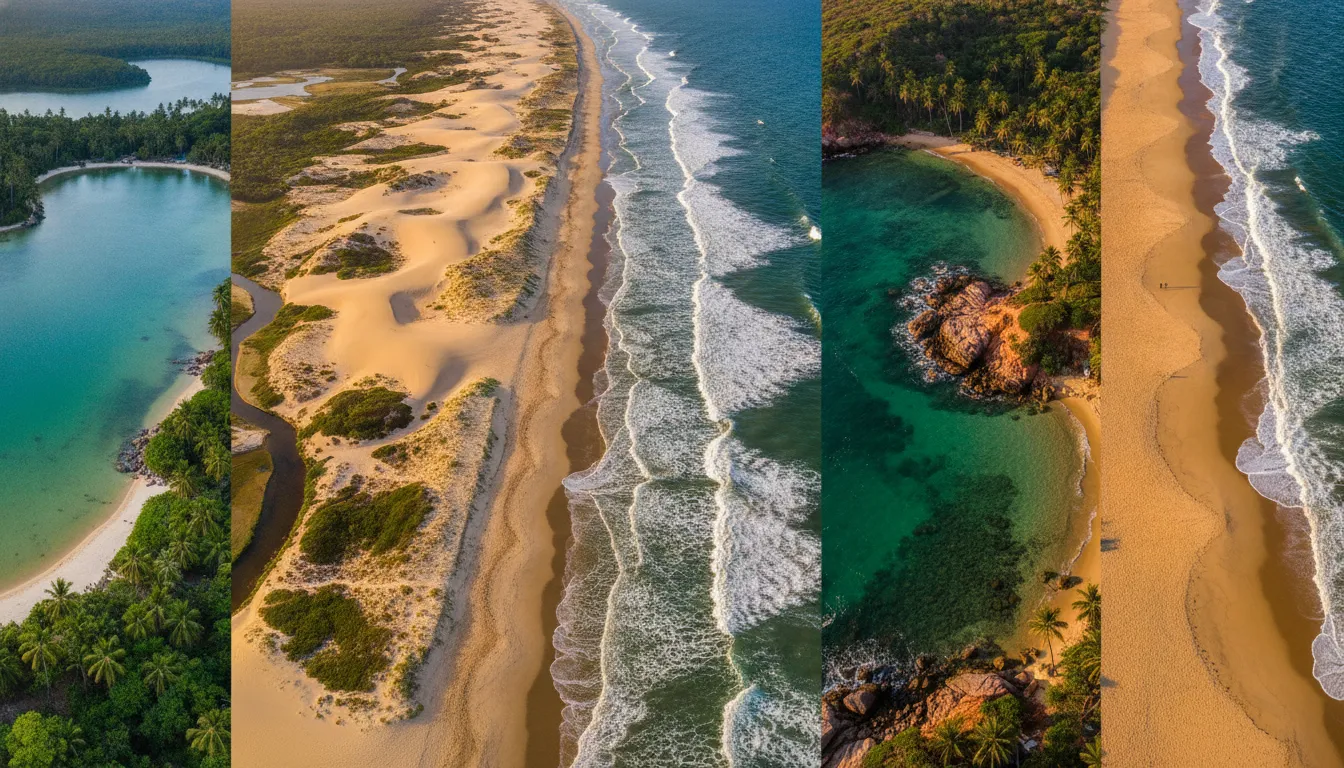
Brazil has the enviable condition of not having to choose between diversity and quality when it comes to beaches. From Fernando de Noronha to the gaucho coast, from Jericoacoara to Ilha do Mel, each point of the Brazilian coastline offers a unique experience — visual, cultural, and sensory.
What unites all these destinations is the generosity of Brazilian nature: a continental country that, by geographic luck, gained one of the most varied and beautiful coastlines in the world. Exploring it responsibly and with environmental awareness is the best way to ensure these beauties remain intact for future generations.
If you want to explore more about how to prepare for a long trip or protect your information when making online reservations, check out our guide on how to protect your personal data on the internet.