
# Hidden Gems of Brazil: Discover Unforgettable Destinations Beyond the Ordinary
Brazil is globally renowned for its idyllic beaches, the Christ the Redeemer statue, and Rio de Janeiro’s Carnival. However, this vast country conceals natural and cultural treasures that remain virtually unknown even to Brazilians themselves. While millions of tourists flock to traditional attractions annually, a secret Brazil awaits discovery by those willing to venture off the beaten path.
With a landmass exceeding 8.5 million square kilometers, the country boasts an impressive diversity of landscapes: from monumental canyons to crystalline caves, from hidden waterfalls in the Atlantic Forest to rock formations that seem to belong to another planet. These destinations not only offer unique and memorable experiences but also preserve traditional cultures and rare ecosystems that deserve to be valued and protected.
In this article, we will explore some of the most hidden beauties of the Brazilian territory, destinations that provide authentic experiences away from the crowds and reveal the natural and cultural richness of our country. Get ready to discover places that will completely transform your perception of Brazil’s tourism possibilities.
Jalapão: The Golden Oasis in the Heart of Tocantins
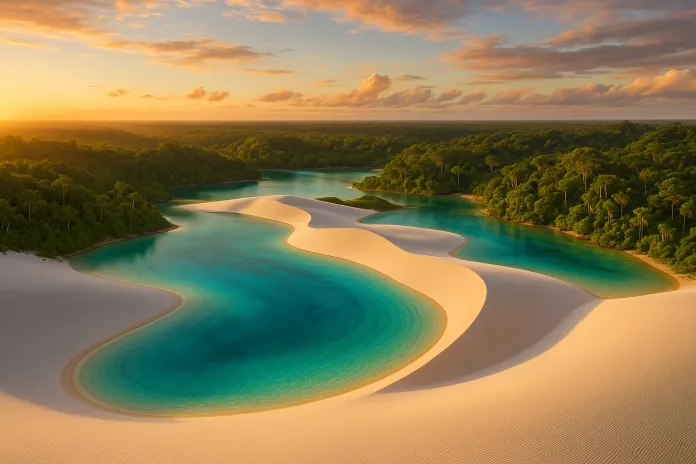
Located in the state of Tocantins, Jalapão is one of Brazil’s best-kept secrets. This untouched savannah region presents a surreal landscape of golden dunes that dramatically contrast with the crystal-clear waters of rivers and springs — water sources with such pressure that it’s impossible to sink in them.
The Jalapão State Park spans approximately 34,000 hectares of preserved nature, where you can find spectacular waterfalls like Cachoeira da Velha, which is 100 meters wide. The springs, particularly Fervedouro Bela Vista and Fervedouro Buritis, are rare natural phenomena that provide a unique natural floating experience.
The region is also marked by impressive rock formations and buriti palm groves, typical of the savannah. During the dry season, between May and September, the waters become even more transparent, making this the ideal time to visit. The tourist infrastructure is still limited, preserving the wild character of the region, but also requiring careful planning for the trip.
According to data from the Chico Mendes Institute for Biodiversity Conservation, the Jalapão region is home to endemic species of the savannah’s fauna and flora, a biome under increasing pressure due to agricultural expansion. Visiting these destinations with environmental awareness helps strengthen the local economy and the importance of conservation.
Lençóis Maranhenses: Beyond the Known Lagoons
Although the Lençóis Maranhenses National Park is relatively well-known, few visitors explore the more remote areas of this natural wonder. While most tourists focus on the lagoons near Barreirinhas, there are virtually untouched regions of the park that offer even more exclusive experiences.
The region of Santo Amaro do Maranhão, on the park’s western side, receives a fraction of the visitors but features equally impressive lagoons and even more preserved dunes. The Betânia and Gaivota lagoons stand out for their beauty and tranquility, allowing a more intimate connection with nature.
Between June and September, when the lagoons are at their peak after the rains, the contrast between the white dunes and the emerald-green waters creates a truly unique scenery on the planet. The park area extends over 155,000 hectares, and venturing into the less explored regions reveals the magnitude of this natural phenomenon.
The traditional communities living on the park’s edges, many of them formed by fishermen, maintain a way of life closely linked to the region’s natural cycles. Interacting with these communities offers a valuable cultural perspective that significantly enriches the visiting experience.
Vale da Lua: The Lunar Landscape of Goiás
Located in the municipality of São Jorge, near the Chapada dos Veadeiros National Park, the Vale da Lua is a rock formation sculpted by erosion over millions of years. The result is a landscape that truly seems to belong to the lunar surface, with craters, channels, and rounded formations in grayish tones.
The rocks of Vale da Lua are some of the oldest on the planet, estimated to be 1.8 billion years old. The São Miguel River carved these quartz rocks, creating natural pools of crystal-clear waters where you can swim surrounded by this extraterrestrial landscape.
The best time to visit is during the dry season, between May and September, when the river level is lower and allows safe exploration of the rock formations. It’s essential to respect the signage and avoid climbing on slippery areas during rainy periods when the river can rise rapidly.
The Chapada dos Veadeiros region is home to several other lesser-known attractions, such as the Cachoeira do Segredo, which requires a longer hike but rewards with spectacular scenery, and the Jardim de Maytrea, with its unique rock formations. Just as we learn from lessons of resilience extracted from extraordinary events, nature demonstrates its ability to create absolute beauties through slow and persistent processes.
Cânion Fortaleza: The Hidden Jewel of Santa Catarina
While the Itaimbezinho Canyon receives most visitors in the Aparados da Serra region, the Fortaleza Canyon, located in the Serra Geral National Park, remains relatively unknown, offering equally spectacular views with much less traffic.
With vertical walls reaching 900 meters in height and a length of 7.5 kilometers, the Fortaleza Canyon provides breathtaking viewpoints. The Mirante Trail, about 8 kilometers (round trip), leads to privileged observation points where you can contemplate the canyon’s vastness and the Tigre Preto Waterfall in the background.
The region presents particular climatic characteristics, with frequent fog formation that creates mystical atmospheres, especially during winter. It’s advisable to hire local guides who know the weather conditions and can ensure a safe and enriching experience.
The region’s biodiversity is remarkable, housing species from the Atlantic Forest and high-altitude fields. According to the Ministry of the Environment, the Aparados da Serra and Serra Geral area represents one of the last significant remnants of araucaria forest, a critically threatened ecosystem.
Bonito Beyond the Traditional Tours
Bonito, in Mato Grosso do Sul, has gained international fame for its crystal-clear waters, but there are experiences in the region that remain off the radar of most tourists. While the Gruta do Lago Azul and the Rio da Prata are widely visited, other attractions offer equally memorable experiences with greater exclusivity.
The Lagoa Misteriosa is a flooded abyss over 200 meters deep, where you can float or, for certified divers, descend up to 18 meters in waters of exceptional visibility. The experience of floating over this deep blue abyss is both thrilling and contemplative.
The Buraco das Araras, a gigantic sinkhole with a diameter of 124 meters and a depth of 160 meters, is home to a population of red macaws that can be observed especially in the early morning and late afternoon when they return to their nests on the sinkhole walls.
For the more adventurous, the Nascente Azul offers a floating experience in a more isolated setting, with intensely blue waters and lush vegetation around. Controlled visitation ensures the site’s preservation and a more intimate experience with nature.
The Bonito region is an example of successful sustainable tourism in Brazil, where visitation control and the appreciation of natural resources have generated economic development while preserving the environment. This approach demonstrates how tourism can be a conservation tool when well-planned.
Ilha do Marajó: The Forgotten Treasure of the Amazon
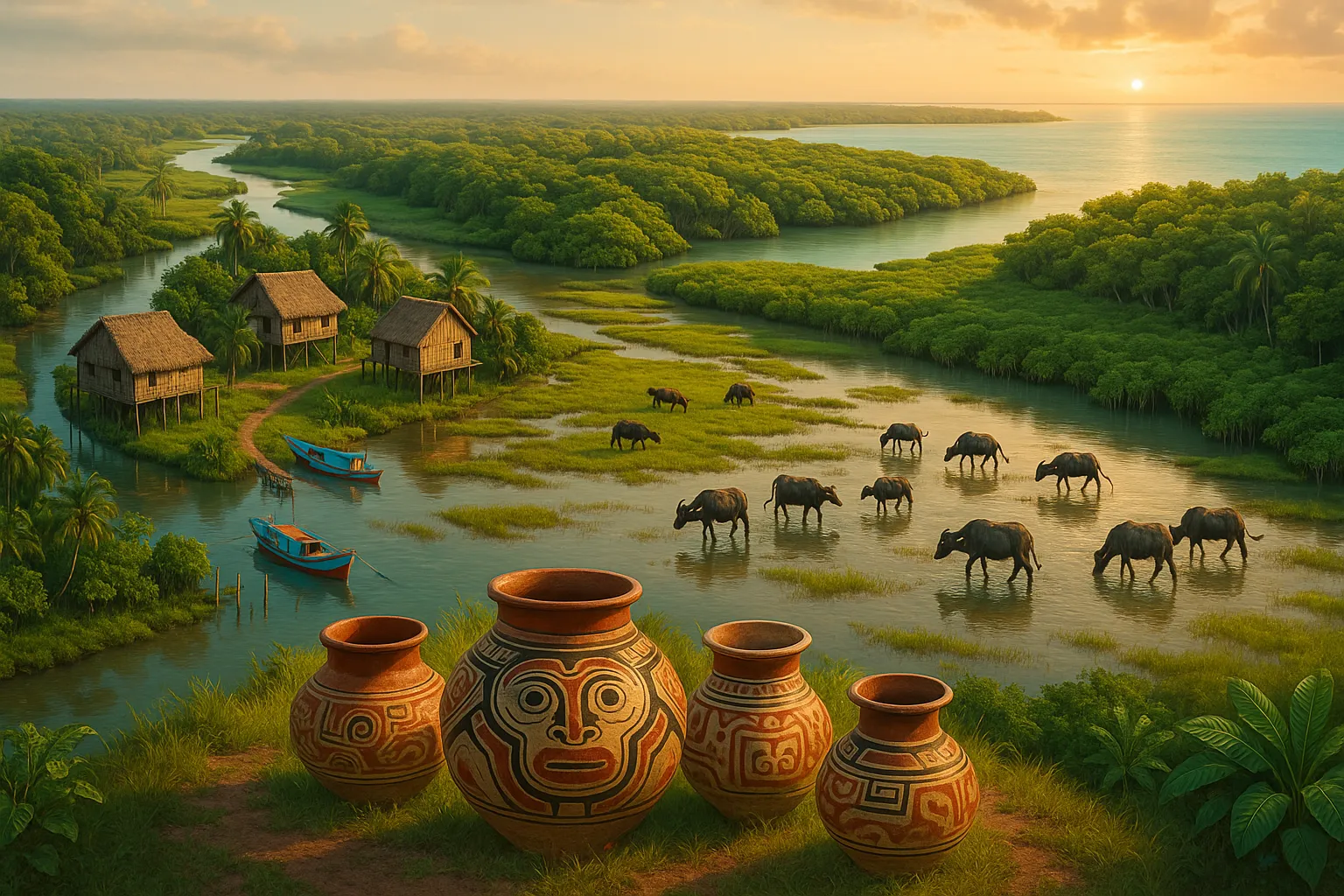
Ilha do Marajó, the largest river-maritime island in the world, located in the state of Pará, remains surprisingly unknown considering its magnitude and natural riches. With an area larger than countries like Switzerland or Denmark, the island offers a unique combination of freshwater beaches, flooded fields, forests, and a fascinating traditional culture.
The beaches of Ilha do Marajó are completely different from traditional oceanic beaches. Praia de Pesqueiro and Praia do Arari feature fresh or brackish waters, with waves formed by the force of the Amazonian rivers. During the low season, these beaches are almost deserted, offering a tranquil retreat.
Marajoara culture is marked by buffalo breeding, introduced to the island in the 19th century and perfectly adapted to the environment. It’s possible to take buffalo rides along the beaches and fields, a unique experience that connects visitors to the local tradition.
Marajoara pottery, produced by pre-Columbian civilizations that inhabited the island between 400 and 1400 AD, is considered one of the most sophisticated in the Americas. Visiting archaeological sites and meeting artisans who keep this tradition alive offers a profound historical and cultural perspective.
The best time to visit Ilha do Marajó is during the dry season, between July and December, when the roads become more accessible. The tourist infrastructure is still limited, preserving the authenticity of the experience, but requires prior planning.


