
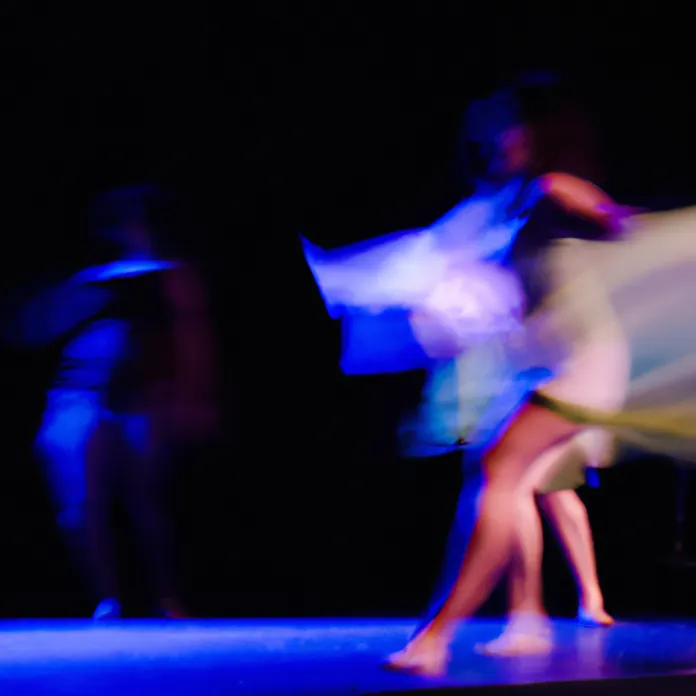
Discovering the Charms of Dance: A Journey of Movement and Expression
Dance is an art form that has enchanted and inspired people around the world for centuries. With its unique combination of movement, rhythm, and expression, dance is a powerful form of communication that transcends cultural and linguistic barriers. In this article, we will explore the various aspects of dance, from its historical origins to the physical and mental benefits it can provide.
Historical Origins of Dance
Dance has been an integral part of human culture since ancient times. Cave paintings show dancing figures, indicating that the practice of dance dates back thousands of years. In different cultures around the world, dance has played varied roles, from religious ceremonies and fertility rituals to forms of entertainment and artistic expression.
In ancient civilizations such as Greek and Roman, dance was an essential part of festivities and celebrations. The elegant and graceful movements of dancers were admired and revered, and dance was considered a form of connection with the gods and the divine.
The Different Styles of Dance
Today, there are numerous dance styles worldwide, each with its own techniques, movements, and traditions. Some of the most popular dance styles include:
- Ballet: One of the most classic and elegant dance styles, ballet is known for its precise movements, upright posture, and unparalleled grace.
- Contemporary Dance: A more experimental and innovative form of dance, contemporary dance combines elements of different styles to create unique and exciting performances.
- Ballroom Dance: Originating in Europe, ballroom dance includes styles such as salsa, tango, samba, and foxtrot, and is a popular form of social dance worldwide.
- Folk Dance: Each country and region has its own folk dances, which reflect local culture, history, and traditions.
Benefits of Dance for Body and Mind
In addition to being an exciting and expressive art form, dance also offers a range of physical and mental health benefits. Some of the benefits include:
- Improved Motor Coordination: Regular dance practice helps improve coordination, balance, and agility.
- Muscle Strengthening: The movements required by dance help strengthen muscles and improve physical endurance.
- Stress Reduction: Dance is a form of exercise that releases endorphins, hormones responsible for the feeling of well-being and happiness.
- Mental Stimulation: Learning new choreographies and movements challenges the brain and helps improve memory and concentration.
Exploring Dance as a Form of Expression
Beyond physical benefits, dance is also a powerful form of emotional and artistic expression. Through body movements, dancers can convey a wide range of emotions, from joy and enthusiasm to sadness and melancholy.
Dance can also be a way to tell stories and convey important messages. Elaborate choreographies and emotional performances can touch the audience’s hearts and provoke reflections on social, political, and cultural issues.
Conclusion
Dance is much more than just choreographed movements – it is an art form that involves body, mind, and spirit. By dancing, individuals can express themselves in unique and powerful ways, connecting with their deepest emotions and sharing their stories with the world.
Whether through classical ballet, contemporary dance, or traditional folk dances, dance offers a multitude of possibilities to explore, create, and express oneself. So, don’t be afraid to surrender to the rhythm of the music and let yourself be carried away by the magic of dance!
For more information on art and culture, check out the following articles on our blog:
- Unveiling the Secrets of Journalism: Everything You Need to Know
- Desvendando os Segredos do Jornalismo: Tudo o que Você Precisa Saber
- The World in Transformation: What is Happening Now?
- O Mundo em Transformação: O Que Está Acontecendo Agora?
- Explore Global Wonders from Home: Virtual Travel Experiences Await!