
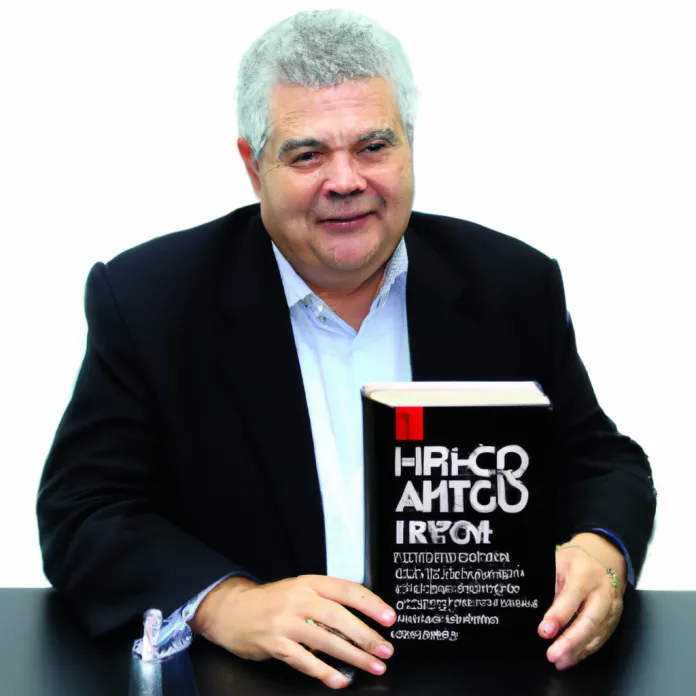
The Art of Journalism: Pursuing Truth and Impartiality
Journalism is one of the oldest and most important professions in the world, responsible for informing, educating, and entertaining the public. However, the practice of journalism goes far beyond simply reporting facts – it involves the pursuit of truth, impartiality, and transparency. In this article, we will explore the art of journalism and how journalists work to ensure the quality and credibility of the information that reaches us.
The Importance of Journalism in Society
Journalism plays a fundamental role in society, acting as a bulwark of democracy and a guardian of individual rights. Through journalism, citizens have access to essential information to make informed decisions, hold public power accountable, and actively participate in public debate.
Moreover, journalism is essential for accountability, meaning the responsibility of public and private agents for their actions. Journalists act as watchdogs, investigating and exposing cases of corruption, abuse of power, and human rights violations.
The Pursuit of Truth
One of the main functions of journalism is to seek the truth and report facts accurately and impartially. To do this, journalists must follow a set of ethical and professional principles, ensuring the truthfulness and credibility of the information they disseminate.
It is crucial for journalists to conduct a rigorous investigation of the facts, consulting different sources and viewpoints to ensure objectivity and impartiality in reporting. Additionally, it is important to verify the truthfulness of information before publishing it, avoiding the spread of fake news and false information.
Journalists must also be mindful of their own professional ethics, avoiding conflicts of interest, sensationalism, and sensationalism. Transparency and honesty are fundamental to maintaining public trust and ensuring the integrity of journalism.
The Importance of Impartiality
Impartiality is one of the pillars of quality journalism, ensuring that information is presented in a balanced and objective manner. Journalists should avoid bias and partiality in their reports, striving to present different sides of a story fairly and equitably.
To ensure impartiality, journalists must listen to and consider all sources involved in a report, even if they have divergent opinions. It is important to separate facts from opinions and avoid manipulating information to favor certain interests.
Additionally, journalists must be aware of their own biases and personal beliefs, striving to maintain objectivity and neutrality in their reports. Impartiality is essential to guarantee the credibility of journalism and public trust.
Conclusion
Journalism is a complex and challenging art that requires dedication, ethics, and professionalism. The pursuit of truth and impartiality are fundamental principles to ensure the quality and credibility of the information that reaches us.
Journalists play an essential role in society, acting as guardians of democracy and freedom of expression. It is important to value and support the work of journalists, recognizing the importance of quality journalism for building a more just and informed society.
Therefore, we must always seek reliable sources of information, verify the truthfulness of information, and support independent and impartial journalism. Only then can we ensure transparency, accountability, and democracy in our society.