
Enchanting Theater Scenery: The Magic in Every Performance
Theater is an ancient art form that captivates and moves audiences worldwide. Each performance is unique, bringing with it a special atmosphere and impressive scenery that transports spectators to different universes. In this article, we will explore the magic of theater and how scenery plays a fundamental role in each presentation.
The Importance of Scenery in Theater
Scenery is an essential element in any theatrical production, as it helps create the necessary setting for the story told on stage. It is responsible for placing the audience in the context of the play, whether it’s a luxurious palace, an enchanted forest, or a bustling city street.
Moreover, scenery contributes to the audience’s immersion in the plot, stimulating imagination and providing a unique sensory experience. The combination of elements such as light, color, texture, and movement creates an engaging environment that complements the actors’ performances and the play’s direction.
Types of Scenery in Theater
In theater, scenery can be classified in various ways, according to its function and complexity. Some of the most common types of scenery include:
Realistic Scenery
Realistic scenery aims to faithfully reproduce a specific environment, such as a living room, a garden, or a beach. Generally, this type of scenery is used in plays set in recognizable times and places, with the goal of creating a sense of realism for the audience.
Stylized Scenery
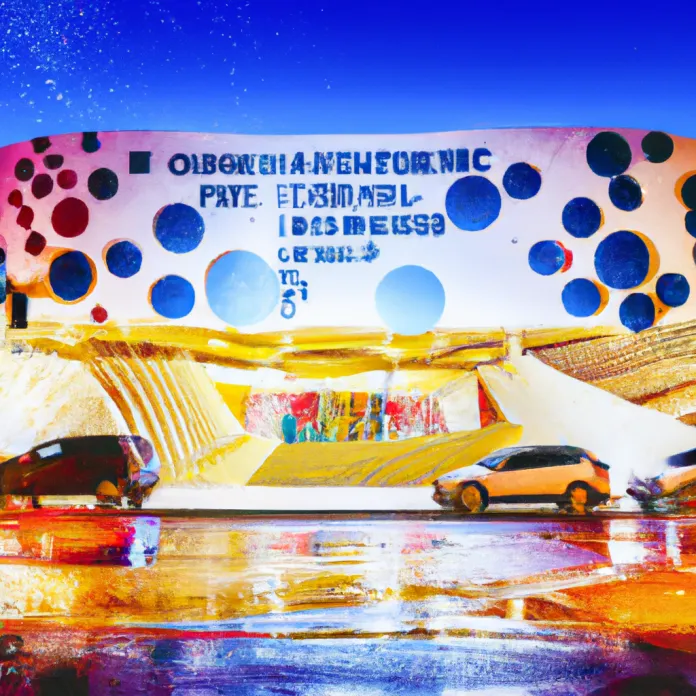
Stylized scenery, on the other hand, is more abstract and symbolic, prioritizing artistic expression and creativity. In this type of scenery, the emphasis is on suggesting the environment, using elements like vibrant colors, geometric shapes, and unusual textures to create a unique and impactful atmosphere.
Minimal Scenery
Minimal scenery is characterized by simplicity and resource economy. In this type of scenery, the emphasis is on the actors’ interpretation and the creativity of the staging, without the need for large structures or special effects. The goal is to stimulate the audience’s imagination and highlight the essence of the story being told.
The Magic of Scenery in Contemporary Theater
In contemporary theater, scenery plays an increasingly significant role in narrative construction and the spectator’s experience. With the advancement of technology and production techniques, set designers have explored new creative possibilities to surprise and captivate the audience.
Mapped projections, interactive scenery, and the use of innovative scenographic elements are some of the trends gaining prominence on stages worldwide. These new approaches allow greater flexibility in creating environments and conveying messages, expanding the artistic and aesthetic possibilities of theatrical productions.
Examples of Memorable Scenery in Theater
The history of theater is filled with unforgettable scenery that marked an era and became references in the performing arts. Some productions stand out for the grandeur and creativity of their scenery, which became a fundamental part of the theatrical experience.
The Phantom of the Opera
One of the most famous musicals in history, “The Phantom of the Opera” is known for its stunning scenery and the mysterious and romantic atmosphere it creates on stage. The setting of the Paris Opera House, with its shadowy corridors and sumptuous halls, is a highlight of the production, transporting the audience to the enchanted world of the Belle Époque.
The Lion King
Adapted from the famous Disney film, the musical “The Lion King” impresses with the grandeur of its scenery and the richness of detail in the set design. The African landscapes, articulated animals, and surprising visual effects create a magical and immersive universe that captivates audiences of all ages.
Conclusion
In summary, scenery plays a fundamental role in the magic of theater, contributing to the creation of immersive and engaging atmospheres that transport the audience to unique and fascinating universes. Whether realistic, stylized, or minimalistic, scenery is a key piece in the narrative construction and artistic expression of theatrical productions.

