
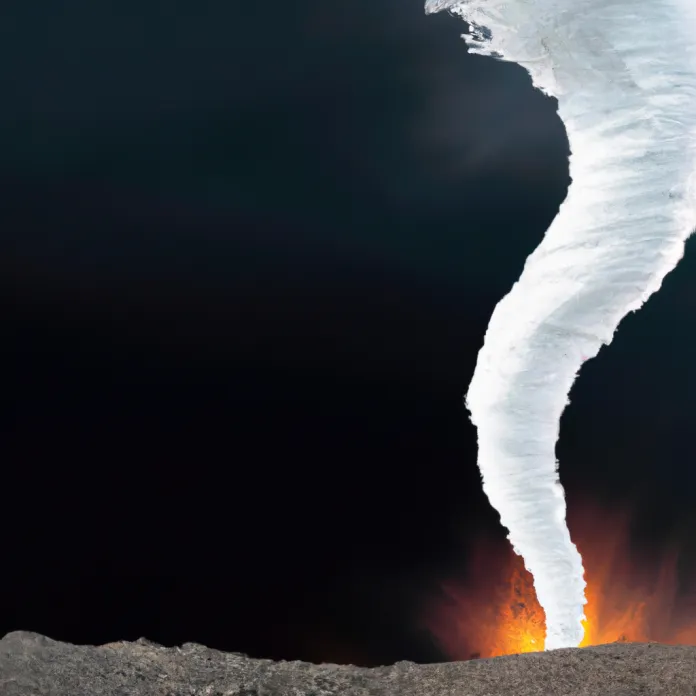
Top 10 Deadliest Natural Disasters in History: Tragedies That Shaped Humanity
Natural disasters are devastating events that occur unexpectedly, causing significant damage to the environment and human life. Throughout history, humanity has faced numerous natural tragedies that have left indelible marks on entire communities. In this article, we will explore the 10 deadliest natural disasters in history that shocked the world and reinforced humanity’s vulnerability to the forces of nature.
1. Lisbon Earthquake (1755)
The Lisbon Earthquake, which occurred on November 1, 1755, is considered one of the worst natural disasters in European history. With an estimated magnitude between 8.5 and 9, the earthquake caused the destruction of much of Lisbon, and a subsequent tsunami exacerbated the damage. It is estimated that between 30,000 and 40,000 people lost their lives in the disaster, making it one of the deadliest tragedies of the time.
2. Indian Ocean Tsunami (2004)
The Indian Ocean Tsunami, which occurred on December 26, 2004, was the result of a 9.1 to 9.3 magnitude earthquake off the west coast of Sumatra, Indonesia. The tsunami hit several coastal regions of the Indian Ocean, causing the death of over 230,000 people in 14 countries. The disaster was one of the deadliest in recent history and generated a global wave of solidarity in response to the devastation caused.
3. Bhola Cyclone (1970)
The Bhola Cyclone, which struck East Pakistan (now Bangladesh) and India in November 1970, is considered one of the deadliest cyclones in history. It is estimated that between 300,000 and 500,000 people lost their lives due to the strong winds and flooding caused by the cyclone. The tragedy highlighted the importance of preparedness and planning to face natural disasters in regions prone to extreme weather events.
4. Mount Vesuvius Eruption (79 AD)
The eruption of Mount Vesuvius in 79 AD is one of the most well-known natural disasters in history due to the destruction of the Roman city of Pompeii and part of Herculaneum. The volcanic eruption spewed ash, stones, and lava over the cities, resulting in the death of thousands and the preservation of the ruins for centuries. The disaster served as a reminder of the unpredictability of natural forces and the importance of vigilance in the face of volcanic threats.
5. Hurricane Katrina (2005)
Hurricane Katrina, which hit the Gulf Coast of the United States in August 2005, was one of the most destructive and deadliest hurricanes in the country’s history. The storm caused flooding in New Orleans and other areas, resulting in the deaths of over 1,800 people and leaving thousands homeless. The disaster highlighted deficiencies in the U.S. disaster alert and response systems, as well as the social inequalities present in affected communities.
6. Bangladesh Cyclone (1991)
The Bangladesh Cyclone, which struck the country in April 1991, is considered one of the deadliest cyclones in recent history. With winds of up to 250 km/h, the cyclone caused the deaths of over 138,000 people and left millions homeless. The tragedy led the Bangladesh government to implement disaster preparedness and response measures to reduce the impact of extreme weather events in the future.
7. Tohoku Earthquake and Tsunami (2011)
The Tohoku Earthquake and Tsunami, which hit Japan in March 2011, were among the most devastating natural disasters in the country’s history. The earthquake, with a magnitude of 9.0, triggered a tsunami that inundated vast coastal areas, causing the deaths of over 15,000 people and triggering a nuclear accident at the Fukushima plant. The disaster led Japan to reassess its disaster safety and preparedness policies to minimize the impacts of future crises.
8. Cyclone Nargis (2008)
Cyclone Nargis, which struck Myanmar (Burma) in May 2008, was one of the deadliest cyclones in the country’s history. With winds of up to 215 km/h, the cyclone caused widespread flooding and resulted in the deaths of over 138,000 people, leaving millions homeless. The tragedy underscored the importance of international cooperation and humanitarian assistance in response to large-scale natural disasters.
9. Tangshan Earthquake (1976)
The Tangshan Earthquake, which struck China in July 1976, is considered one of the worst earthquakes in modern history. With an estimated magnitude between 7.4 and 7.8, the earthquake caused the deaths of over 240,000 people and left millions homeless. The tragedy highlighted the importance of building resilient infrastructure and implementing disaster preparedness measures in regions prone to seismic events.
10. Cyclone Gorky (1991)
Cyclone Gorky, which hit Bangladesh in April 1991, is considered one of the deadliest cyclones in the country’s history. With winds of up to 250 km/h, the cyclone caused widespread flooding and resulted in the deaths of over 138,000 people, leaving millions homeless. The tragedy underscored the importance of international cooperation and humanitarian assistance in response to large-scale natural disasters.
Conclusion
Natural disasters represent a constant threat to the safety and well-being of humanity, highlighting the fragility of societies in the face of nature’s forces. The tragedies mentioned above are just some examples of the worst natural disasters in history that left a legacy of destruction and suffering. It is crucial that governments, organizations, and communities are prepared and implement mitigation and disaster response measures to minimize the impacts of these catastrophic events and protect human lives.