
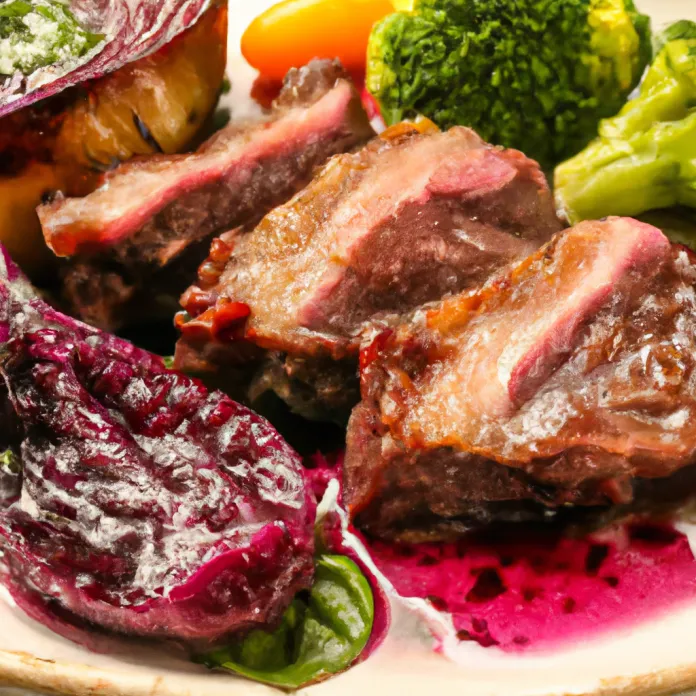
If there is something that unites people around the world, it is the passion for food. Gastronomy is much more than just the preparation and consumption of food; it involves culture, tradition, history, and art. Each country, region, and even family has its own cuisine, with unique secrets and flavors that reflect its identity.
Origins of Gastronomy
The history of gastronomy dates back to the dawn of humanity, when our ancestors discovered fire and learned to cook food. Since then, cuisine has evolved and diversified, incorporating ingredients and techniques from different cultures around the world. Gastronomy is also intrinsically linked to geography, climate, and the availability of food in each region.
In ancient times, food played a central role in societies, being used in celebrations, religious rituals, and as a way of demonstrating hospitality. Over the centuries, culinary techniques were refined, and gastronomy became an art form, with renowned chefs and starred restaurants winning admirers worldwide.
Ingredients and Flavors
One of the secrets of gastronomy lies in the ingredients used. Each food has unique characteristics that can be highlighted through proper preparation. Spices, herbs, fruits, vegetables, meats, and seafood are creatively combined to create dishes that delight the palate and stimulate the senses.
In addition to the ingredients themselves, the choice of preparation techniques and culinary utensils also influences the final result. Baking, cooking, grilling, frying, sautéing, among other methods, confer distinct textures, aromas, and flavors to the food. The use of clay pots, cast iron skillets, sharp knives, and other traditional utensils also contributes to the authenticity and flavor of the dishes.
Culture and Tradition
Each culture has its own cuisine, which reflects its values, beliefs, and history. Gastronomy is a way of preserving and transmitting traditions from generation to generation, keeping the roots of a people alive. Typical dishes, gastronomic festivals, ancestral techniques, and regional ingredients are elements that are part of a country’s culinary heritage.
Exploring the gastronomy of different cultures is a way to travel the world without leaving the table. Experiencing new flavors, aromas, and textures is an enriching experience that connects us with the diversity and cultural richness of the planet. Moreover, cuisine is a universal language that brings people together, generating moments of conviviality and sharing.
Art and Creativity in Gastronomy
Gastronomy is an art form, where the chef is the artist and the dish is the masterpiece. The presentation of food, the combination of colors, textures, and flavors, the harmony of ingredients, and innovation in recipes are aspects that make cuisine a creative and aesthetic expression.
Renowned chefs are true masters in the art of gastronomy, creating sophisticated and surprising dishes that challenge the senses and enchant diners. Molecular gastronomy, for example, is a branch of cuisine that explores the science behind food, using innovative techniques and unusual ingredients to create unique gastronomic experiences.
Conclusion
Gastronomy is much more than just food; it is a form of art, culture, and expression. Discovering the secrets of cuisine is embarking on a fascinating journey through the world of flavors, aromas, and traditions. Each dish tells a story, revealing the customs, history, and identity of a people.
Therefore, it is worth exploring the diversity of gastronomy, trying new dishes, ingredients, and preparation techniques. Enjoying a good meal is an experience that stimulates the senses, strengthens social bonds, and connects us with the world around us.
So, the next time you sit at the table, remember that food is much more than just nourishment; it is a form of celebration, gathering, and discovery. Gastronomy is a vast and rich universe, full of secrets and delights to be explored. Bon appétit!