
The Brazil you don’t know: facts that surprise even those born here
Brazil is a country of continental dimensions, incomparable biodiversity, and a history that mixes peoples, cultures, and geographies in a unique way in the world. But even those who live here their entire lives rarely realize how much extraordinary things this territory holds — numbers that seem exaggerated, world records that go unnoticed, and curiosities that make anyone scratch their head and ask: “Is this really true?”
The answer is almost always yes. Brazil is the fifth largest country in the world by territorial extension, with more than 8.5 million square kilometers, and is home to the largest tropical forest on the planet. But the grandeur goes far beyond the Amazon. There are facts about the Portuguese language spoken here, about fauna, about colonial history, and even about urban daily life that escape even the most curious Brazilians.
In this article, we will delve into some of these curiosities — verified, concrete, and surprising — so that you can see your own country with fresh eyes.
Brazil borders almost all South American countries
Few Brazilians stop to realize that Brazil borders ten of the twelve South American countries. The only ones left out are Chile and Ecuador. This means that to cross the South American continent from one extreme to the other without passing through Brazil is practically impossible.
This geographical characteristic puts Brazil in contact with enormous diversity of peoples and border ecosystems — from the Amazon rainforest to the Pantanal plains that extend to Paraguay and Bolivia. Brazil’s total border line exceeds 16,000 kilometers, running through completely different biomes along its route.
The Amazon is larger than it appears on maps
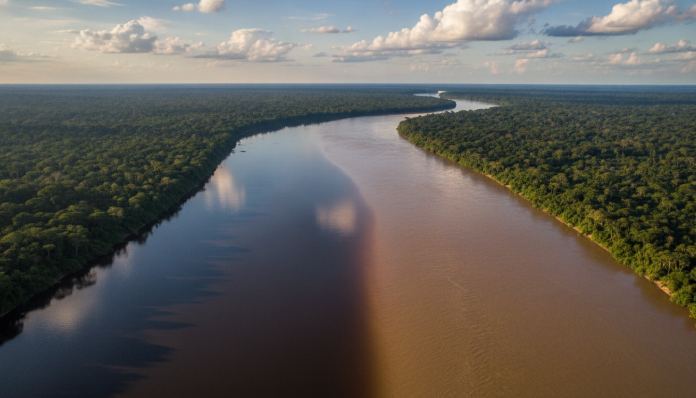
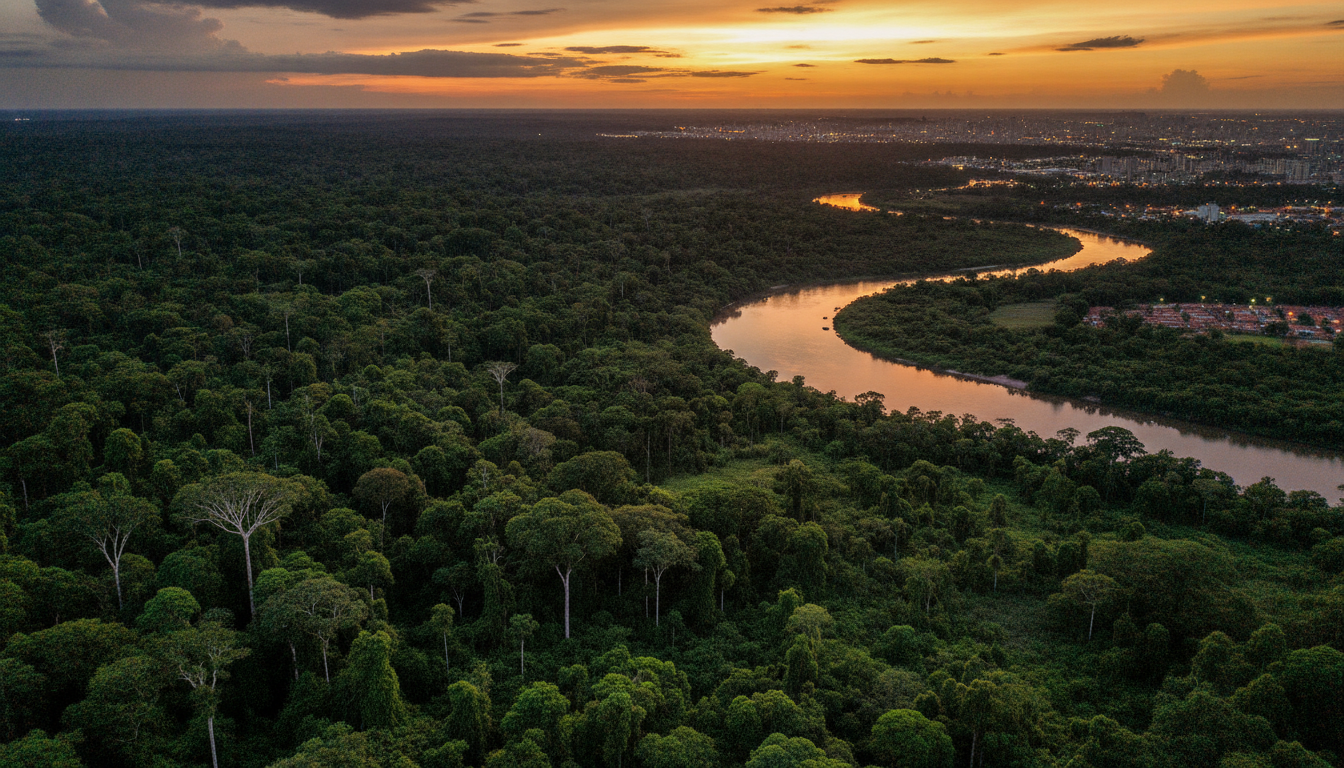
The Amazon Rainforest is already famous worldwide, but its real scale is usually difficult to grasp. The forest occupies more than 5.5 million square kilometers in South America, of which about 60% are in Brazilian territory. For reference: this is larger than all of Western Europe.
The river that breathes
The Amazon River alone carries approximately 20% of all the fresh water that the world’s rivers dump into the oceans. During flooding, the river bed can expand to the point of inundating forest areas for hundreds of kilometers — creating what scientists call “flooded forest” or igapó, a unique ecosystem where fish swim between the canopies of trees.
Another impressive fact: it is estimated that the Amazon rainforest is home to between 10% and 15% of all animal and plant species known to science. New species are regularly described by researchers working in the region.
The Portuguese spoken in Brazil has its own history
Brazil is the largest Portuguese-speaking country in the world — and the only one in the Americas. But Brazilian Portuguese is not simply the Portuguese of Portugal brought on ships in the sixteenth century. It has undergone centuries of transformation, receiving influences from hundreds of indigenous languages (it is estimated that there were more than a thousand languages spoken in the territory before colonization) and African languages brought by enslaved peoples, mainly from the Bantu linguistic group and Yoruba.
Everyday words like “caçula,” “mocotó,” “moqueca,” “maxixe,” and “quiabo” have origins in African languages. Meanwhile, “abacaxi,” “capim,” “pipoca,” “mandioca,” and “jacaré” come from indigenous languages, especially Tupi. This makes Brazilian Portuguese a deeply mixed language — and, for many linguists, more distant from European Portuguese than is commonly imagined.
Brazil has more animal species than any other country
In terms of biodiversity, Brazil consistently ranks at the top of world rankings. The country is considered megadiverse, a category that includes only 17 nations responsible for hosting the majority of the planet’s biodiversity.
Some numbers that help understand this richness:
- Brazil has more than 1,900 cataloged bird species — more than any other country in the world.
- It is the country with the greatest diversity of amphibians on the planet, with more than 1,000 species of frogs, toads, and salamanders.
- It is home to more than 3,000 freshwater fish species, a number that represents almost one-third of all known species in the world.
- Flora is no less impressive: Brazil has more than 55,000 cataloged plant species, including many endemic — that is, found only here.
This biodiversity is not concentrated only in the Amazon. The Cerrado, often called “the richest savanna in the world,” and the Atlantic Forest, one of the most threatened and at the same time most biodiverse biomes on the planet, also carry impressive richness.
The country that invented the airplane (or almost — depending on who you ask)
Few debates among Brazilians are as passionate as the question of the invention of the airplane. Alberto Santos Dumont, born in 1873 in Cabangu, Minas Gerais, carried out in October 1906 the flight of the 14-Bis at Campo de Bagatelle, in Paris — the first publicly witnessed and verified flight of an airplane heavier than air taking off by its own means.
The Wright brothers’ flight in December 1903 in the United States is also historically recognized, but it took place under different conditions: without official witnesses and with the aircraft using a catapult system to gain initial speed, which generates academic debate even today.
Santos Dumont is revered in Brazil as the “Father of Aviation” and his name is engraved on monuments, airports, and in the national imagination. Rio de Janeiro’s downtown airport, one of the busiest in the country for domestic flights, bears his name.
Cities and contrasts: a country within a country
Brazil has more than 210 million inhabitants and is one of the most urbanized countries in the world — more than 85% of the population lives in cities. São Paulo, with about 12 million inhabitants in the municipality (and more than 20 million in the metropolitan region), is the largest city in the Southern Hemisphere and one of the ten largest in the world.
The largest Japanese city outside Japan
São Paulo holds another striking curiosity: the city has the largest population of people of Japanese descent outside Japan. Japanese immigration to Brazil officially began in 1908, when the ship Kasato Maru docked in the port of Santos with the first immigrants destined for coffee plantations. Today, it is estimated that Brazil is home to more than 1.5 million descendants of Japanese people, concentrated mainly in the state of São Paulo. The São Paulo neighborhood of Liberdade is known as one of the largest centers of Japanese culture outside Asia.
This ethnic and cultural diversity is one of Brazil’s most profound marks — a country formed by indigenous peoples, Portuguese, Africans, Italians, Germans, Japanese, Arabs, and dozens of other groups that left marks on the language, cuisine, customs, and genetics of the population.
The cuisine that reflects all this mix
The Brazilian table is, perhaps, the place where this mix of peoples becomes most visible — and most delicious. Rice with beans, considered the national dish par excellence, is a combination that arrived with the Portuguese and adapted with ingredients and seasonings of various origins. Feijoada, often associated with African heritage, has a complex history of adaptations over the centuries.
Each region of the country has its own culinary identities: Bahian acarajé with roots in Candomblé and Yoruba culture; gaucho barbecue that dialogues with the traditions of the pampas peoples; duck in tucupi from Pará cuisine; Minas cheese with protected designation of origin. If you want to delve deeper into this last tradition, it’s worth checking out the secrets for a perfect barbecue from start to finish — a practice that has deep historical roots in the south of the country.
Some quick curiosities to wrap up in style
- Brazil has the world’s largest commercial cattle herd, with hundreds of millions of livestock distributed across the territory.
- Brasília, the federal capital, was built in just 41 months and inaugurated in April 1960 — an engineering and urban planning feat recognized by UNESCO as a World Heritage Site.
- The country has one of the largest networks of airports in Latin America, necessary to connect a territory the size of a continent.
- The Pantanal is the world’s largest wetland plain, surpassing even the famous Everglades in the United States.
- Brazil is the world’s largest producer and exporter of coffee for over 150 years — and, curiously, is also one of the largest per capita consumers of the grain.
Conclusion: a country that is still discovering itself
Brazil has the rare combination of being at once very well known and profoundly mysterious — even to those who live in it. From ecological records to immigration stories, from philosophical debates about the invention of the airplane to the richness of a language that absorbed voices from four continents, the country holds much more than school textbooks usually reveal.
Knowing these curiosities is not just a matter of trivia. It is a way to better understand who we are, where we come from, and the true size of the territory — geographical, cultural, and historical — that we inhabit. And if this reading awakened a desire to explore more, how about planning a trip to see up close some of these surprising corners? Check out how to make the most of a weekend trip and start discovering Brazil with fresh eyes.