
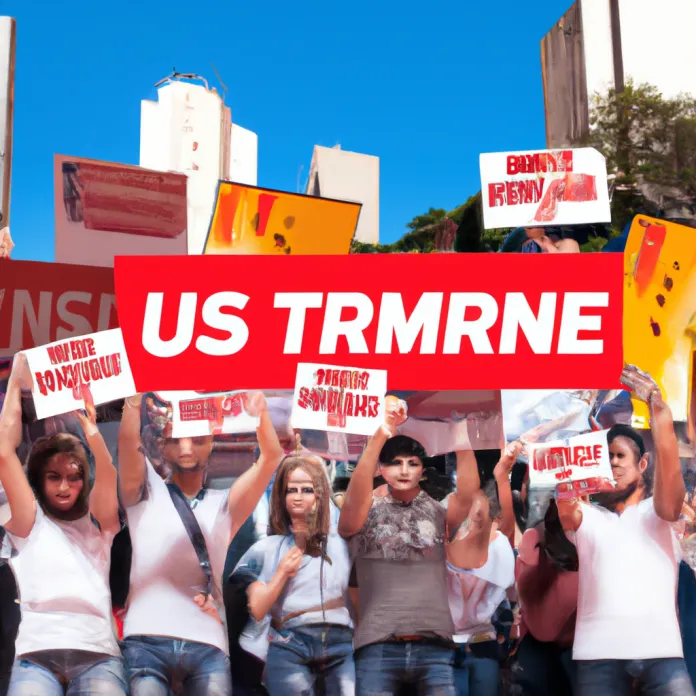
The Power of Protests: How People’s Voices Transform the World
Protests have been a powerful form of expression throughout history, capable of catalyzing significant changes in society. When people unite to express their opinions and demands, they can capture the attention of authorities and the public, creating impacts that resonate across different spheres of social, political, and cultural life.
The History of Protests
Protests have ancient roots, dating back to various historical moments and contexts. From popular uprisings in Ancient Rome to contemporary demonstrations in defense of human rights, protests have played a fundamental role in the struggle for justice, equality, and freedom.
In the Modern Age, political and social revolutions were driven by massive protests, such as the French Revolution and the Russian Revolution, which resulted in profound structural changes in government systems and power relations. More recently, the civil rights movements in the United States, student protests in France, and pro-democracy protests in Hong Kong are examples of how people’s voices can transform reality.
The Impact of Protests
Protests have the power to raise public awareness and mobilize the masses around important causes. When people unite in protest, they demonstrate solidarity, courage, and determination, sending a clear message that they are willing to fight for what they believe in.
Moreover, protests can influence the decisions of authorities and institutions, pressuring them to adopt concrete measures in response to popular demands. History is full of examples of laws, policies, and reforms that were implemented as a result of pressure exerted by protests.
Protests also have the potential to generate cultural and social changes, promoting awareness of important issues and encouraging public debate. They can give voice to marginalized groups, amplify subaltern narratives, and challenge established power structures.
The Importance of Freedom of Expression
Protests are a concrete manifestation of freedom of expression, a fundamental right that ensures people the right to express themselves freely, without censorship or repression. In democratic societies, freedom of expression is essential for the healthy functioning of democracy, allowing people to actively participate in public life and exert influence over political decisions.
However, freedom of expression is not always respected, and protests often face repression, violence, and persecution by authorities. In such cases, it is crucial that civil society and human rights organizations remain vigilant and act in defense of protesters, ensuring that their right to free expression is protected.
The Future of Protests
In today’s world, marked by complex challenges and global crises, protests remain an important tool for promoting social justice, equal rights, and democracy. As people mobilize around issues such as climate change, economic inequality, and racial discrimination, protests become increasingly relevant and necessary.
It is important that protests are conducted peacefully and respectfully, avoiding violence and destruction. Non-violence is an effective strategy to raise public awareness and garner support for the causes advocated by protesters.
Conclusion
In summary, protests have a transformative power, capable of generating significant changes in society. When people unite to express their opinions and demands, they can influence the decisions of authorities, raise public awareness, and promote awareness of important issues. Protests are a fundamental expression of freedom of expression and an effective means of fighting for justice, equality, and democracy.
To learn more about related topics, check out the following posts on our blog:
Unveiling the Truth: Behind the Scenes of Journalism
Os bastidores do jornalismo: desvendando a verdade por trás das notícias
Experiencing the Magic of Theater: A Journey Through Emotions and Art

