
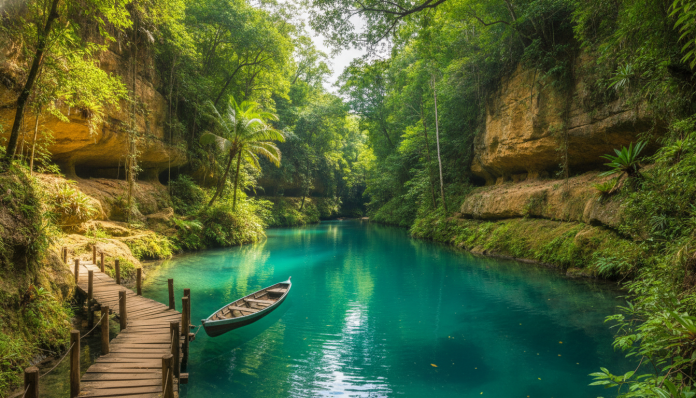
Brazil is famous for its postcards: the beaches of Ipanema, Christ the Redeemer, Iguazu Falls, the Rio Carnival. But a continental country with more than 8.5 million square kilometers holds secrets that few tourists ever discover — and that often surpass, in beauty and authentic experience, the destinations that fill “most visited” lists. In 2026, with domestic tourism expanding and more Brazilians discovering their own territory, it’s worth looking beyond the obvious.
Whether you’re an experienced traveler or someone planning your first major adventure through the country, there are destinations that offer exuberant nature, rich history, surprising gastronomy and, above all, that rare sense of discovery. Places where crowds haven’t arrived yet, where the guesthouse price doesn’t scare you, and where the sunset seems tailor-made for whoever had the curiosity to show up.
In this article, we’ve gathered some of these unexplored destinations that deserve a place on your itinerary — spread across Brazil’s different biomes and regions, each with its own identity.
Jalapão (TO): the golden desert of the Cerrado
Jalapão, in the state of Tocantins, is one of the most impressive landscapes in Brazil and remains relatively unknown to the general public. The region is part of the Cerrado and combines dunes of golden sand, crystal-clear natural springs, waterfalls and buriti palm groves — those tall palms that seem straight out of a painting.
The fervedouros (natural springs) are its most unique attraction: springs with such intense water pressure that they make the body float naturally on the surface, without sinking, even in places several meters deep. The Fervedouro do Ceiça and the Prata are the most visited, but there are others less accessed by trail that reward those seeking quiet.
The best time to visit is the dry season, between May and September, when rivers are low, springs are clearest and dirt roads become more passable. Jalapão requires planning: most attractions are within Jalapão State Park, and it’s necessary to hire registered local guides. The city of Ponte Alta do Tocantins serves as a base for many routes.
Lençóis Maranhenses (MA): beyond the famous image
Wait — Lençóis Maranhenses isn’t that unknown. But here’s the detail: most visitors go only to the National Park, especially to Lagoa Azul, and ignore the equally fascinating surroundings. Villages like Atins, at the mouth of the Parnaíba River, and Caburé, a strip of sand where river meets ocean, offer a completely different experience — without tour buses, with simple guesthouses and breathtaking landscapes.
The boat ride through the Parnaíba River is one of Maranhão’s most underrated experiences. Along the route, you can see mangroves, dunes advancing over abandoned houses in Vassouras — a scenery that looks straight out of a post-apocalyptic novel — and fishing communities that live practically without road access.
The ideal time to see the full lagoons is between July and September, when rains from the beginning of the year fill the depressions between the dunes with fresh, turquoise water.
Bonito (MS): the natural aquarium of the interior
Bonito, in Mato Grosso do Sul, already appears on some sustainable tourism lists, but is surprisingly little visited considering what it offers. Its waters are among the clearest in the world thanks to a natural filtering process by limestone, which removes suspended particles and leaves the rivers with visibility reaching dozens of meters.
Floating in the Rio da Prata and Rio Sucuri allows you to swim alongside hundreds of golden fish, painted fish and piraputangas in their natural habitat — without needing scuba diving, just mask and snorkel. Abismo Anhumas, an underwater cave accessible by rappelling, is for the more adventurous.
The local tourism system is a rare model in Brazil: all attractions operate with limited visitor capacity per day, ensuring ecosystem preservation. This means it’s essential to book in advance, especially during vacation months.
Serra da Canastra (MG): cheese, waterfalls and maned wolves
Minas Gerais hides one of the richest regions in the country in terms of nature and culture: the Serra da Canastra, in the southwest of the state. Serra da Canastra National Park is home to the source of the São Francisco River — one of Brazil’s largest and most important rivers — as well as monumental waterfalls like Casca d’Anta, which plunges more than 180 meters in an open Cerrado setting.
The park’s fauna includes the maned wolf, anteater, giant armadillo and giant otter, all endangered with real sighting chances for those who leave early and have patience. But the mountain range is also famous for something more tangible and tasty: Canastra cheese, one of Brazil’s most traditional cheeses, with artisanal production dating back to the 18th century and recognition as intangible cultural heritage by IPHAN.
Cities like São Roque de Minas and Delfinópolis serve as bases, and distances between attractions are reasonable. The region is ideal for those who enjoy combining trails with gastronomy and purchases of local artisanal products.
Alter do Chão (PA): the Caribbean of the Amazon
Called “the Caribbean of the Amazon” by those who’ve been there, Alter do Chão is about 35 kilometers from Santarém, in Pará, and is one of Brazilian tourism’s best-kept secrets. During the dry season, between August and December, the Tapajós River recedes and forms beaches of finest white sand with strikingly clear blue-green water — a surreal contrast with the rainforest around it.
Ilha do Amor, formed by the waters of the Tapajós River and Green Lake, is the most reproduced image of the destination, but the surroundings offer much more: floating in Green Lake, trails in Tapajós National Forest, pink river dolphin sightings and visits to riverside communities that maintain lifestyles intimately connected to the forest.
Alter do Chão has growing hospitality and gastronomy infrastructure, with restaurants serving typical Amazonian cuisine, such as grilled tucunaré with leafcutter ant flour — a local delicacy that divides opinions, but is worth the curiosity.
Chapada dos Veadeiros (GO): energy, stars and otherworldly trails
Chapada dos Veadeiros, in Goiás, has been a UNESCO Natural World Heritage Site since 2001 and yet remains much less visited than it could be. Located in the heart of Brazil, at altitudes exceeding 1,600 meters, the region has cold nights, skies without light pollution and one of the country’s best conditions for stargazing.
Trails lead to white quartzite waterfalls — such as those of Canyons I and II and Vale da Lua, whose rock formations sculpted by the São Miguel River look like a lunar landscape — and viewpoints with views that extend for kilometers of preserved Cerrado. Biodiversity is extraordinary: the plateau is home to bird, reptile and plant species found in few other places in the world.
The village of Alto Paraíso de Goiás is the region’s tourist center and has a peculiar cultural identity, mixing traditional communities, craftspeople, practitioners of diverse spiritualities and environmental researchers. It’s a destination that appeals to both those seeking physical adventure and those wanting reflection and contact with nature at a slower pace.
Practical tips for exploring lesser-known destinations
Traveling to places outside the conventional tourist circuit requires a little more preparation. Check what to keep in mind:
- Research local infrastructure before you go: many of these destinations have excellent guesthouses, but few large hotel chain options. Book in advance during high season.
- Hire local guides: besides contributing to the community’s economy, credentialed guides know trails, attraction schedules and rules for each park or reserve.
- Check seasonal conditions: each destination has an ideal time. Going in the wrong season can mean impassable roads or natural attractions completely different from expected.
- Bring cash: in many villages and communities, access to card machines is still limited.
- Respect preservation rules: limited visitor capacity, trash disposal prohibitions and photography restrictions exist to protect the environments that make these destinations special.
- Inform yourself about health: in regions like Amazon and Pantanal, yellow fever vaccination is recommended and, in some cases, mandatory. Consult a health professional before traveling.
Conclusion: Brazil’s undiscovered country
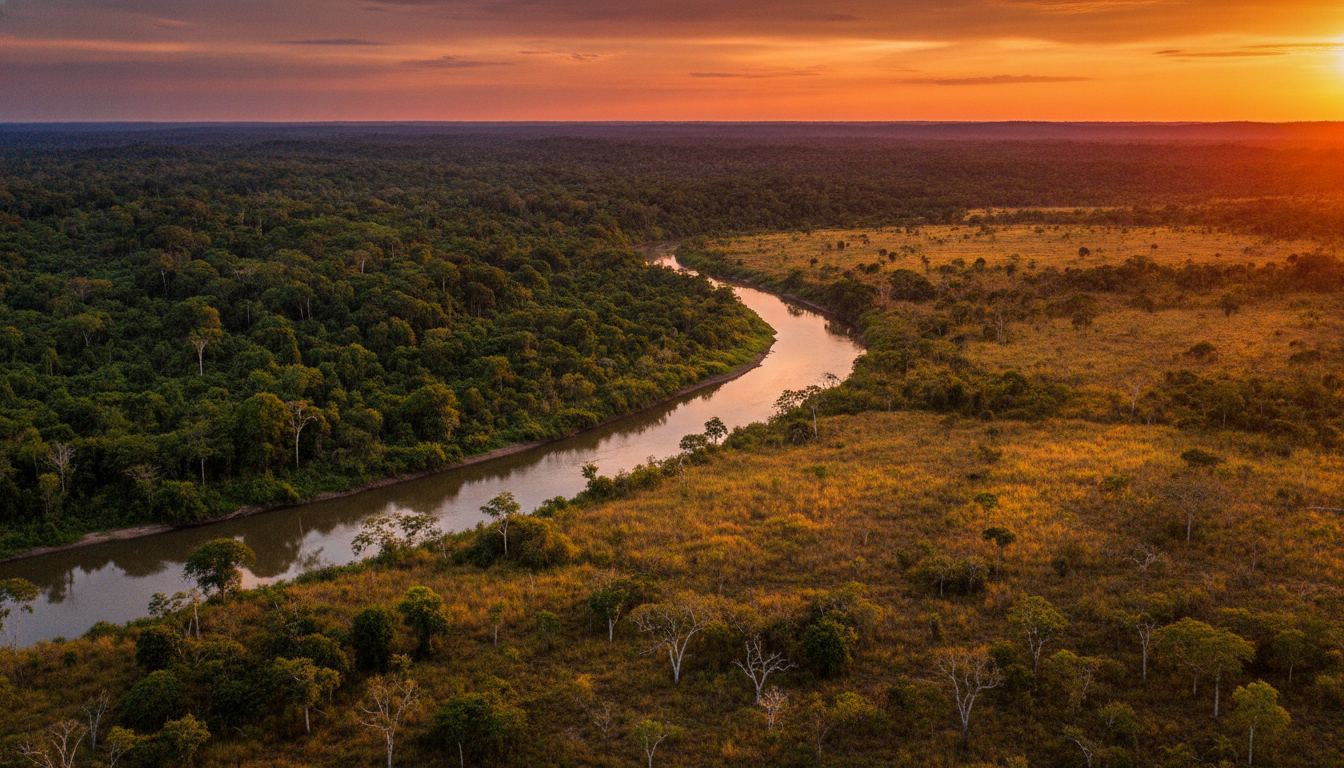
Brazil has a geographical, cultural and ecological diversity that few countries in the world can rival. But much of this wealth remains invisible to mass tourism — and, paradoxically, that’s part of the charm. Arriving at a place before it becomes fashionable, striking up a conversation with locals who are still surprised by the presence of visitors, eating a dish that isn’t on any review app: these are experiences that stay with you.
Destinations like Jalapão, Alter do Chão, Serra da Canastra and Chapada dos Veadeiros don’t need celebrities or million-dollar campaigns to convince those who know them. They speak for themselves — and usually create the kind of traveler who returns and recommends to all their friends.
If the Brazil you know still fits on the most famous postcards, perhaps it’s time to expand the map. The continental country that exists beyond the obvious attractions is waiting — and rarely disappoints. To learn more about what makes Brazilian culture so unique and attractive to visitors from around the world, it’s also worth exploring how Carnival in Brazil became the world’s largest.