
Brazil Beyond the Obvious: Destinations That Will Surprise You
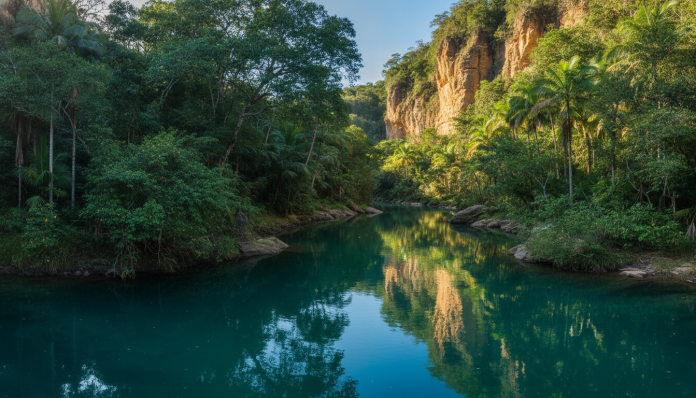
Brazil has a habit of hiding its best stories. While the whole world knows about Rio’s Carnival, Florianópolis beaches, and the Pantanal, there are hundreds of equally — or even more — impressive destinations living in the shadow of the most famous postcards. There are canyons that rival those in North America, lakes with impossible colors, villages that seem frozen in time, and forests that would make any naturalist lose their breath.
The good news is that traveling through Brazil’s interior goes beyond escaping the crowds. It means accessing more authentic experiences, genuine regional cuisine, and often much more affordable prices. In 2026, with tourism infrastructure expanding in historically neglected regions, this is the ideal moment to step off the beaten path and explore the Brazil that few Brazilians truly know.
The following selection is not a ranking, but an invitation. Each destination carries its own identity, a specific reason to visit — and all share the power to create that genuine surprise of discovering something that should be more famous than it is.
Jalapão (TO): The Brazilian Desert of Waterfalls
Tocantins is one of Brazil’s least visited states, but it holds one of its most dramatic sceneries: Jalapão. Located in the far east of the state, the region is a unique ecosystem of the Brazilian cerrado, marked by golden sand dunes, fervedouros — crystal-clear water pools where water pressure prevents you from sinking — and mountain ranges with breathtaking views.
The Fervedouro do Buritizinho is one of the most iconic spots: a natural swimming pool where the force of underground water keeps visitors floating on the surface, even at considerable depths. It’s an experience that doesn’t exist in many places in the world.
Why go?
- The best time is between May and September, when rainfall decreases and dirt roads become more passable
- Main access is through Palmas (TO) or São Félix do Tocantins
- The region is home to quilombola communities that produce the famous dourado grass, raw material for internationally recognized handicrafts
Tourism in Jalapão is still relatively controlled, which preserves the sense of adventure and environmental quality of the place.
Lençóis Maranhenses (MA): It’s Not a Desert, It’s Aquatic Paradise
Although already featured on some travel lists, Lençóis Maranhenses remains underestimated by Brazilians. Technically, it’s not a desert — the region receives enough rainfall to not qualify as one. What exists is a plain of white dunes up to 40 meters high that, between July and September, fill with freshwater lagoons of turquoise or greenish-blue color, depending on the angle of light.
The Lagoa Azul and Lagoa Bonita are the most photographed, but two or three-day hikes into the park’s interior reveal practically deserted lagoons. Lençóis Maranhenses National Park has more than 155,000 hectares and has been a Natural Heritage Site of Brazil since 1981.
The most common base city is Barreirinhas, with good accommodations and certified local guides. For the more adventurous, the village of Atins — accessible only by boat or buggy — offers an even more isolated and authentic experience.
Xingó Canyon (SE/AL): The Brazilian Grand Canyon
Very few people outside the Northeast know that Brazil has a canyon that extends for about 60 kilometers between the states of Sergipe and Alagoas, formed by the waters of the São Francisco River. The Xingó Canyon has rock walls reaching up to 100 meters high, with formations in colors ranging from orange, red, and ochre.
The boat tour through the canyon is the most popular and accessible option, usually departing from Piranhas (AL) or Canindé do São Francisco (SE). The arid and monumental landscape contrasts with the green vegetation on the banks of the São Francisco, creating a scenery that seems to belong to another continent.
The region also contains rock paintings on some canyon walls, evidence of human occupation thousands of years ago. The historical context and natural scenery together make this a visit that combines nature and culture in a rare way.
Bonito (MS): Transparency Like You’ve Never Seen
Bonito is technically known in the ecotourism market, but it remains a niche destination compared to its potential. Located in southern Mato Grosso do Sul, the city is the starting point for a series of unique aquatic experiences in the world: rivers with visibility up to 50 meters thanks to natural filtration through limestone.
The Rio da Prata and Rio Sucuri allow snorkeling float tours amid schools of fish that swim alongside visitors without showing any fear. The Gruta do Lago Azul, a cavern with an impossibly colored underground lake, and Abismo Anhumas for the more adventurous — a 72-meter rappel to the interior of a cave with a lake — complete the offerings.
Practical tips for Bonito:
- Tourism is controlled by daily quotas at each attraction, so book in advance, especially during summer and school holidays
- All tours must be done with a credentialed guide — it’s a legal requirement and ensures ecosystem preservation
- The best time is between October and March, when water temperature is more pleasant
For those who enjoy adventure, Bonito also offers rappelling, zip-lining, and hiking options — and if you’re interested in extreme sports amid nature, it’s worth checking out what Brazil has to offer in this area.
Historic Paraíba Valley (SP/RJ): Imperial Brazil Within Two Hours of Home
For those living in the Rio-São Paulo axis, a surprising route is literally in the neighborhood: the Paraíba Valley, which preserves the best-preserved heritage of the Brazilian imperial period. Cities like Vassouras (RJ), Bananal (SP), and Valença (RJ) have concentrations of 19th-century mansions and farms that rival any open-air museum in Europe.
Vassouras was one of the centers of coffee production during the Empire and still preserves townhouses, churches, and Vassouras University installed in a historic palace. Bananal is considered by heritage experts as one of Brazil’s cities with the highest concentration of neoclassical architecture.
The route through the historic Paraíba Valley can be done by car over a long weekend, combining Caipira cuisine, waterfalls, and contact with a Brazil that existed before any modern postcard.
Chapada dos Veadeiros (GO): Energy, Crystals, and Biodiversity
The Chapada dos Veadeiros, in the interior of Goiás, is one of Brazil’s most special destinations — and still underestimated in relation to its size and ecological importance. Chapada dos Veadeiros National Park, a UNESCO World Heritage Site since 2001, protects one of the last large extensions of cerrado on the planet, the second-largest biome in Brazil.
The region is famous for its monumental waterfalls — such as Cachoeira de Almécegas and Cariocas — its long-duration trails, and soil rich in quartz crystal, which gives the earth a slightly shimmering tone. The city of Alto Paraíso de Goiás is the main base, with good accommodation options and a welcoming alternative community.
What not to miss in Chapada dos Veadeiros:
- Vale da Lua: rock formations carved by the São Miguel River that resemble the lunar surface
- Mirante do Pouso Alto: one of the highest points in the region, overlooking endless cerrado
- Cachoeira Bom Jardim: lesser-known, more peaceful, and equally beautiful
- Trails lasting up to two days for more experienced visitors, with monitored camping
Marajó Archipelago (PA): Where the River Becomes Sea
In the Amazon River delta, there is an island larger than Switzerland: Marajó Island, in Pará. With approximately 49,000 square kilometers, the Marajó archipelago is a world unto itself, with river beaches, buffalo roaming freely through city streets, and unique regional cuisine — filhote, tucunaré, and maniçoba are protagonists on local tables.
The city of Soure is the main entry point and combines peaceful river beaches, farms where you can see buffalo raising, and igarapés with abundant wildlife. The boat crossing from Belém to Marajó takes between two and three hours and is already part of the experience.
The archipelago has a very strong cultural identity, mixing indigenous, African, and Portuguese influences in festivals, handicrafts, and traditions that resist time with impressive vitality.
Conclusion: The Brazil That’s Waiting for You
Brazil has continental dimensions — which means even frequent travelers can spend a lifetime without knowing half of what the country has to offer. The destinations listed here are not absolute secrets, but they certainly escape most people’s radar, whether due to lack of promotion or the gravitational pull of more hyped destinations.
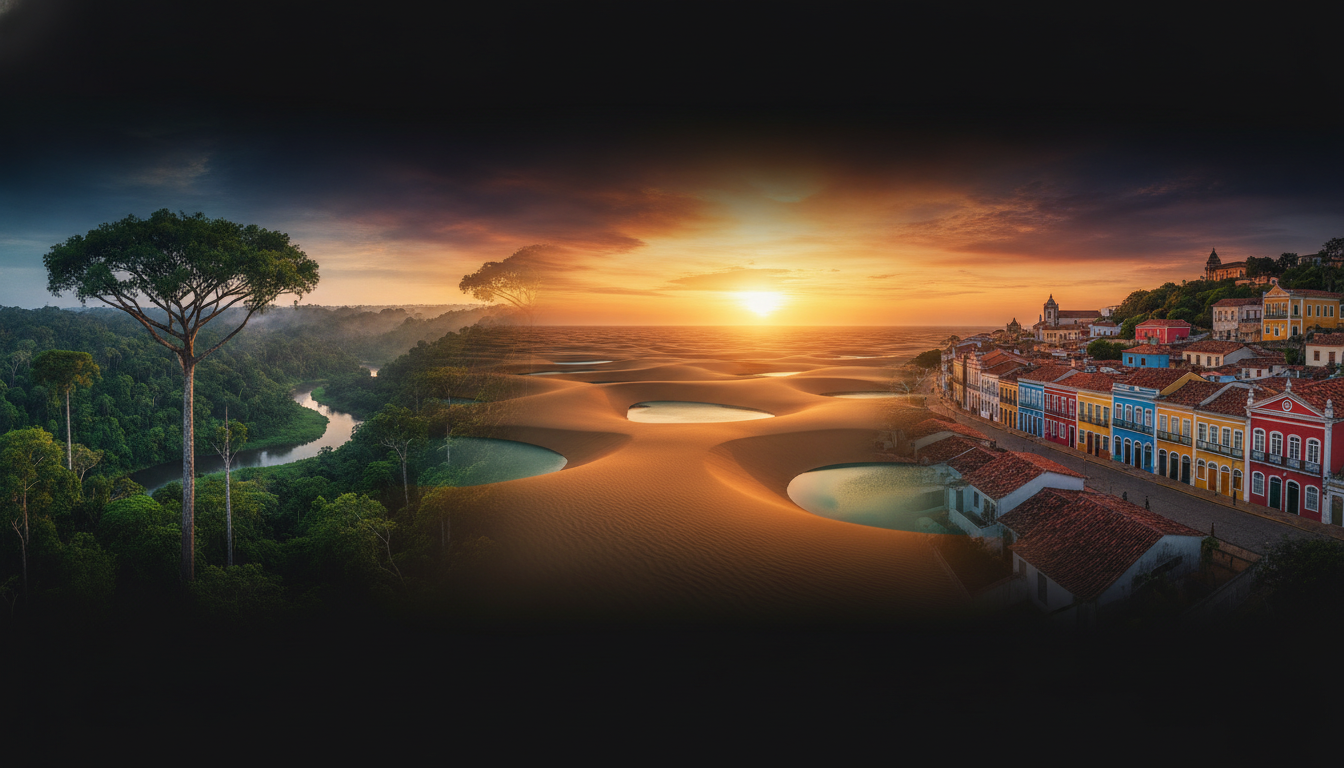
What they have in common is something beyond landscape: they have identity. Each represents a different version of Brazil — the Brazil of crystal-clear waters, of dunes, of canyons, of cerrado, of imperial history, of the Amazon forest. Knowing this diversity is, in a way, to better understand the country itself.
The final tip is simple: research, book in advance where necessary, respect local communities and visited ecosystems, and go with an open mind. The best trips are often those where you don’t know exactly what you’ll find — and Brazil has much still waiting to be discovered.